PMI Deck Takeaways
- A post-merger integration presentation should explain how value will actually be captured after the deal closes, not restate the acquisition announcement.
- The best PMI decks make Day 1 continuity, Day 100 priorities, synergy timing, risk ownership, and decision requests visible in the first few slides.
- Integration teams need action titles, explicit workstream owners, and dependency logic more than decorative design.
- AI is most useful when it organizes fragmented integration inputs into an editable first draft that leadership can challenge and refine.
Direct Answer: What A Post-Merger Integration Presentation Must Do
A post-merger integration presentation should answer one practical executive question: how will this transaction become real operating value without breaking the business in the process? Once a deal is signed, the presentation job changes. The team is no longer selling the strategic rationale. It is proving that leadership has a credible plan for continuity, governance, synergy capture, systems decisions, talent retention, and escalation when things slip.
That means a PMI deck has to do two things at once. First, it must reassure leadership that customers, employees, reporting, compliance, and core operations will stay stable during the transition. Second, it must show that the value-creation thesis is being translated into measurable workstreams with owners, milestones, and tradeoffs. If the presentation only talks about synergy ambition, it feels naive. If it only shows a project tracker, it misses the economic reason the deal was done.
For XLSlides, this is a high-fit workflow because PMI teams usually have dozens of disconnected inputs: diligence findings, Day 1 checklists, clean-team outputs, function workplans, TSA decisions, synergy models, cultural risk notes, and steering committee comments. The hard part is not collecting that material. The hard part is converting it into answer-first slides that a sponsor, CFO, steering committee, or operating partner can review quickly and still edit in PowerPoint-style form.
Post-Merger Integration Deck Vs. Due Diligence Deck Vs. Investment Committee Deck Vs. Board Update
These presentations sit in the same transaction workflow, but they do different jobs. A strong PMI deck starts where diligence stops.
| Document | Primary Audience | Main Job | Common Failure Mode |
|---|---|---|---|
| Due diligence deck | Deal team, PE partner, corp dev lead, CFO | Explain what the team learned before final commitment | Stops at findings without turning them into an integration agenda |
| Investment committee deck | IC members and senior approvers | Ask for approval on price, structure, and conviction | Assumes post-close execution will take care of itself |
| Post-merger integration deck | IMO lead, CEO, CFO, operating partner, steering committee | Turn the deal thesis into accountable Day 1 and Day 100 execution | Looks like a PMO tracker with no value-creation logic |
| Board update on integration | Directors and governance stakeholders | Summarize progress, risks, major decisions, and value realization | Includes too much operating detail and too little decision framing |
Inputs To Gather Before Drafting The PMI Deck
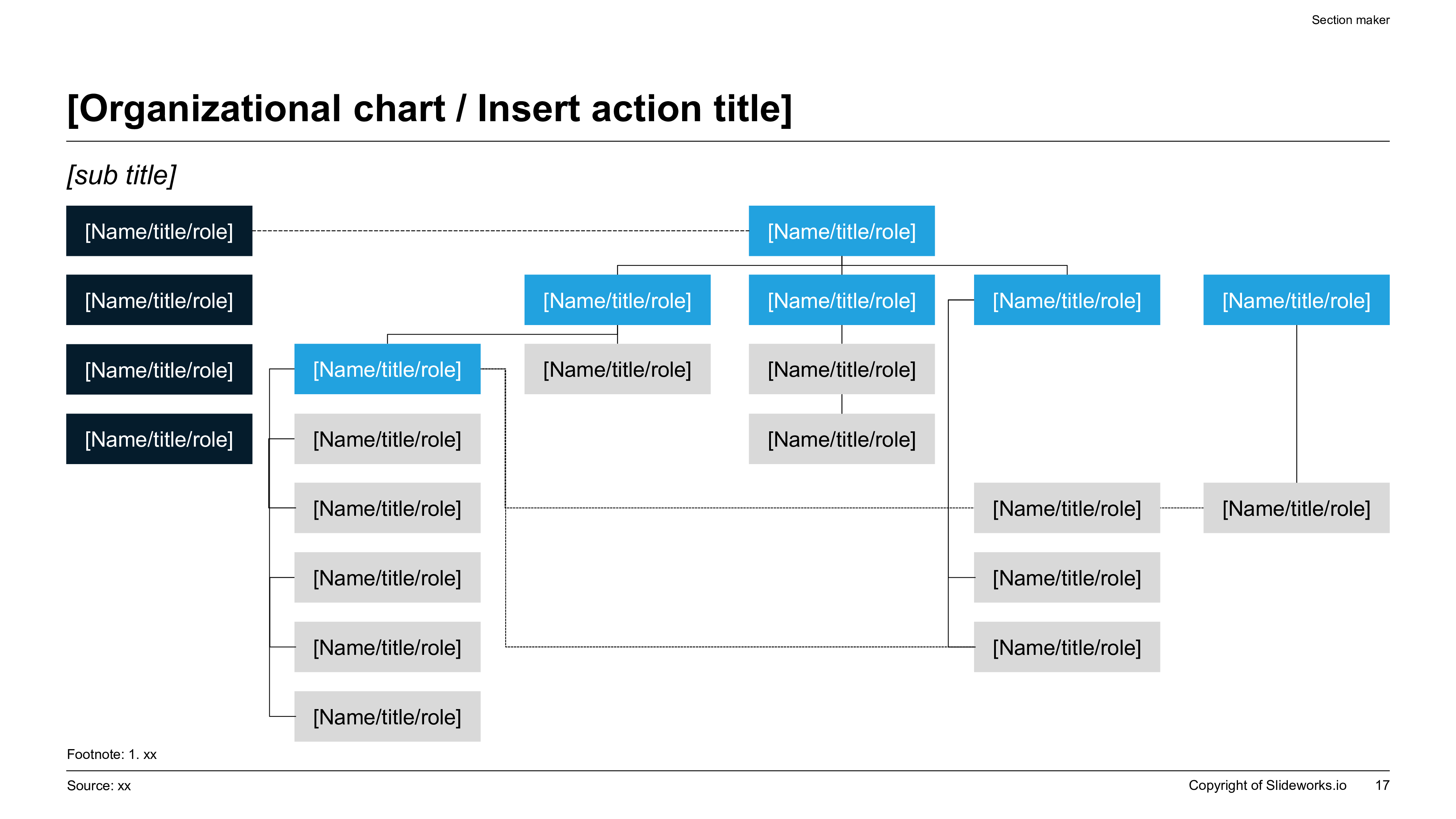
IMO Governance Structure Reference
Why Most PMI Presentations Lose Credibility After Close
Many integration decks fail because they inherit the wrong narrative from the deal phase. The slides continue to celebrate strategic fit, market logic, and synergy ambition long after leadership needs to see decisions, owners, and tradeoffs. A post-close audience is less interested in why the transaction made sense in theory and more interested in how finance, IT, procurement, customer teams, and HR will keep the business stable while value gets extracted.
Another problem is false precision. Teams often present a large synergy number without showing what has been validated, what depends on technology or process changes, what will require headcount action, and what may slip if TSA exits or customer migrations take longer than expected. Serious executives are comfortable with ranges and uncertainty if the logic is explicit. They distrust decks that present a single crisp number with no conditions behind it.
The most useful PMI presentation therefore reads like an executive operating document. It names the few workstreams that drive the value case. It shows dependency logic across those workstreams. It makes clear which Day 1 items are about continuity, which Day 100 items are about capability transfer, and which year-one items are about durable value capture. That shift from transaction storytelling to execution storytelling is what separates a credible integration deck from a ceremonial status update.
Recommended 12-Slide Post-Merger Integration Sequence
| Slide | Purpose | Executive Question Answered |
|---|---|---|
| Executive summary | State integration objectives, current status, and critical asks | What matters most right now? |
| Deal thesis to integration priorities | Translate the original value case into execution themes | Which levers are we trying to realize? |
| Day 1 readiness | Show continuity risks and readiness gates | Will the business stay stable at close? |
| IMO governance | Clarify sponsors, workstream leads, and escalation paths | Who is accountable? |
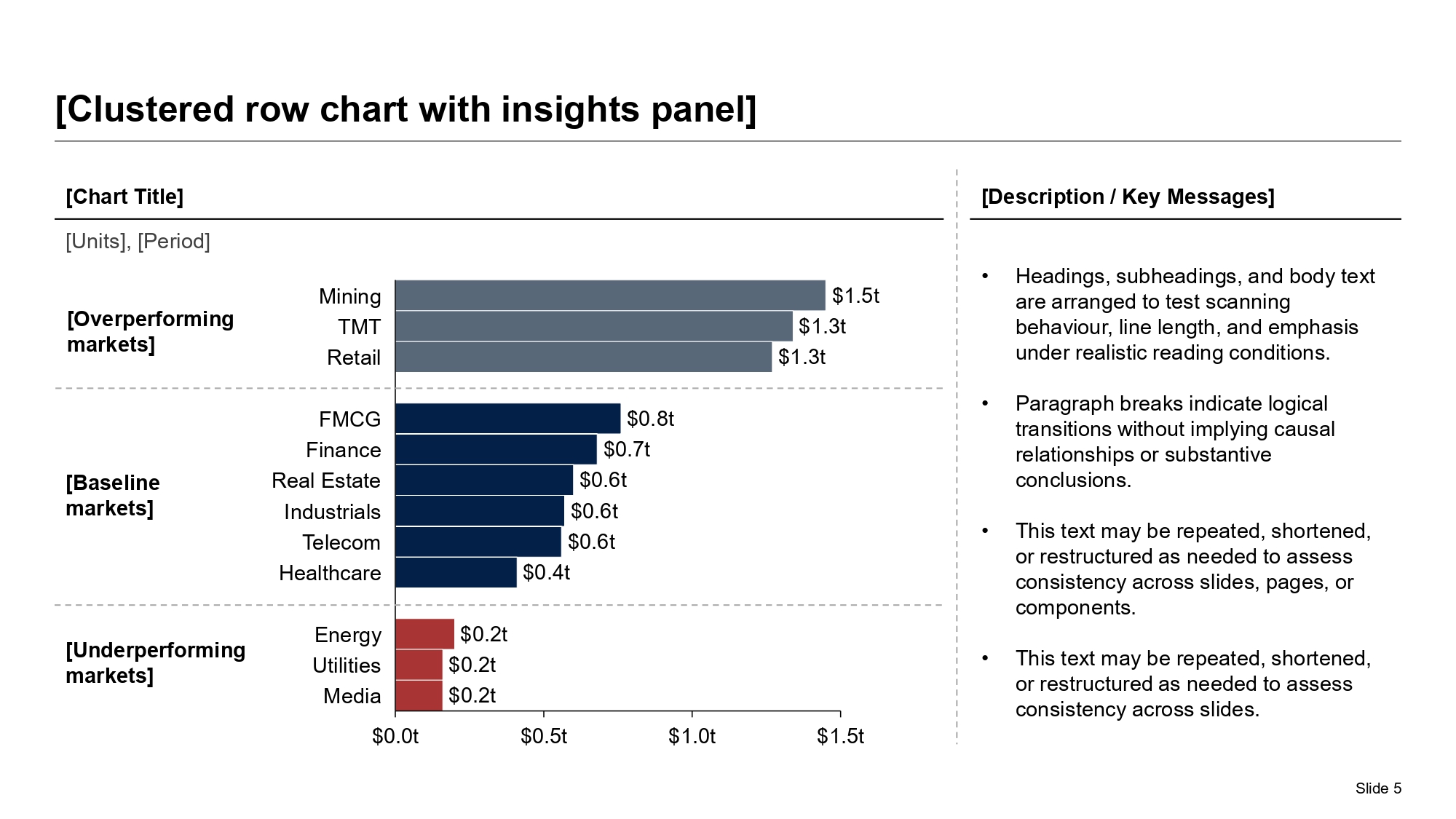
| Synergy bridge | Quantify value pools, timing, and conditions | Where does the value come from and when? |
| Functional workstream status | Summarize progress across core teams | Which lanes are on track or off track? |
| Systems and TSA decisions | Track technology and transition-service dependencies | What could delay separation or consolidation? |
| Talent and culture risks | Surface leadership retention and org-model issues | Will the people model hold? |
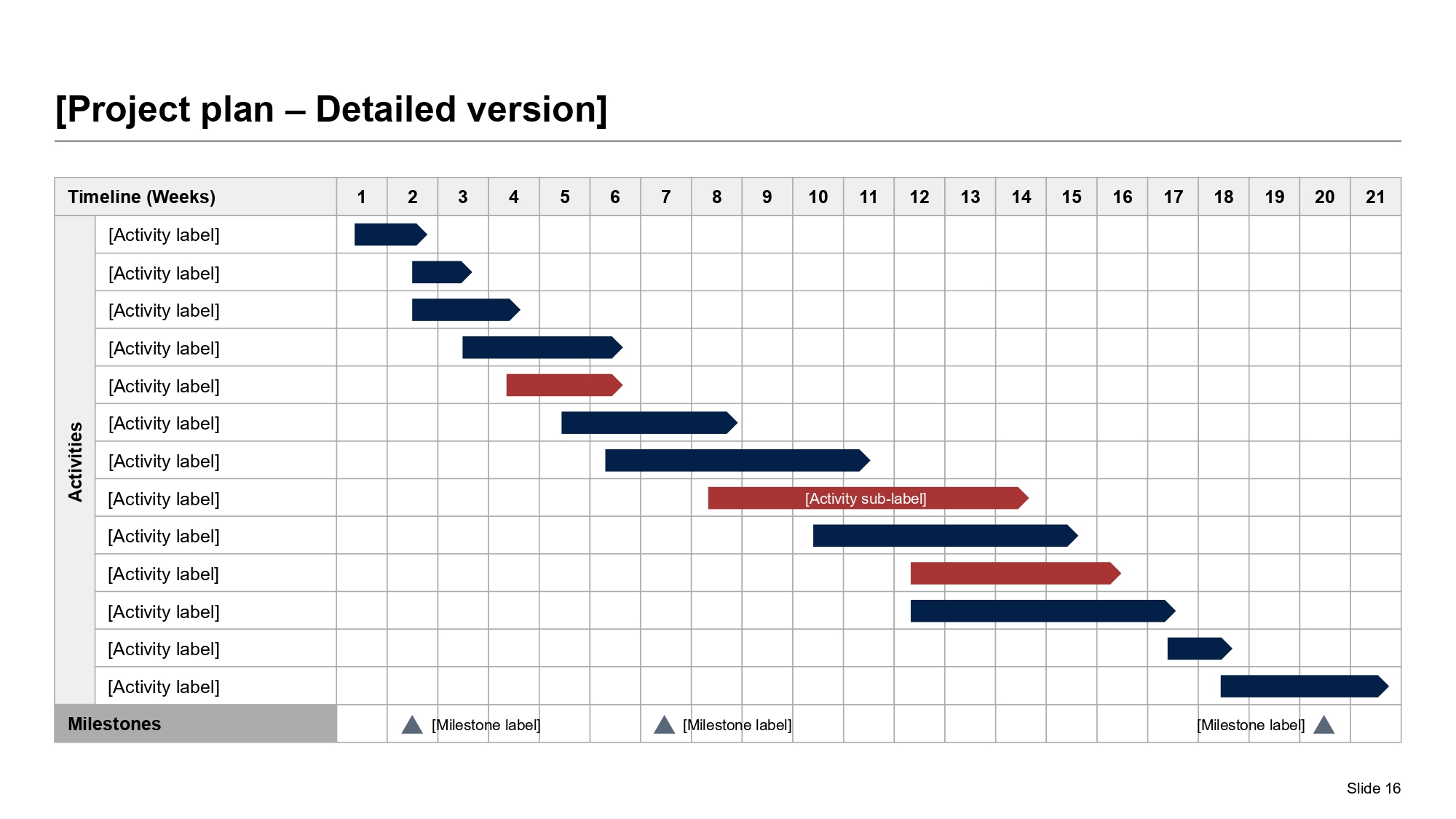
| Day 100 milestones | Show near-term execution priorities | What must be completed first? |
| Year-one value capture roadmap | Sequence medium-term integration waves | How do we reach durable synergy realization? |
| Top risks and mitigations | Make problem areas and contingency plans explicit | What could still go wrong? |
| Decision requests and next steps | State what leadership must approve or unblock | What do we need from the steering committee? |
Multi-Workstream PMI Timeline Reference
Day 1, Day 30, Day 100, And Year 1 Decision Agenda
The presentation should separate continuity decisions from value-capture decisions so leadership can govern the process at the right altitude.
| Phase | What The Team Must Prove | Typical Slide Content | What Leadership Usually Decides |
|---|---|---|---|
| Day 1 | Customers, employees, reporting, and compliance remain stable | Readiness checklist, communication plan, issue log, escalation model | Go / no-go on launch readiness and contingency actions |
| Day 30 | Workstream governance is functioning and early blockers are visible | Owner scorecards, TSA decisions, quick wins, unresolved gaps | Resource shifts and blocker removal |
| Day 100 | The combined organization has a credible operating cadence and synergy path | Milestone dashboard, org design decisions, systems sequence, value bridge | Target operating model choices and priority resets |
| Year 1 | Value capture is becoming durable rather than one-time | Savings realization, revenue synergies, integration costs, risk trend | Whether to accelerate, restructure, or narrow integration scope |
Run The Deck Around Value Capture, Dependency Logic, And Business Continuity
A good PMI presentation should make the relationship between value capture and operating risk visible on every page. Cost takeout, procurement leverage, system consolidation, pricing alignment, and cross-sell programs are not independent events. They depend on data migration, org decisions, process redesign, customer communication, and leadership attention. If the slides treat each function as an isolated status box, the steering committee cannot see how one delay will create another.
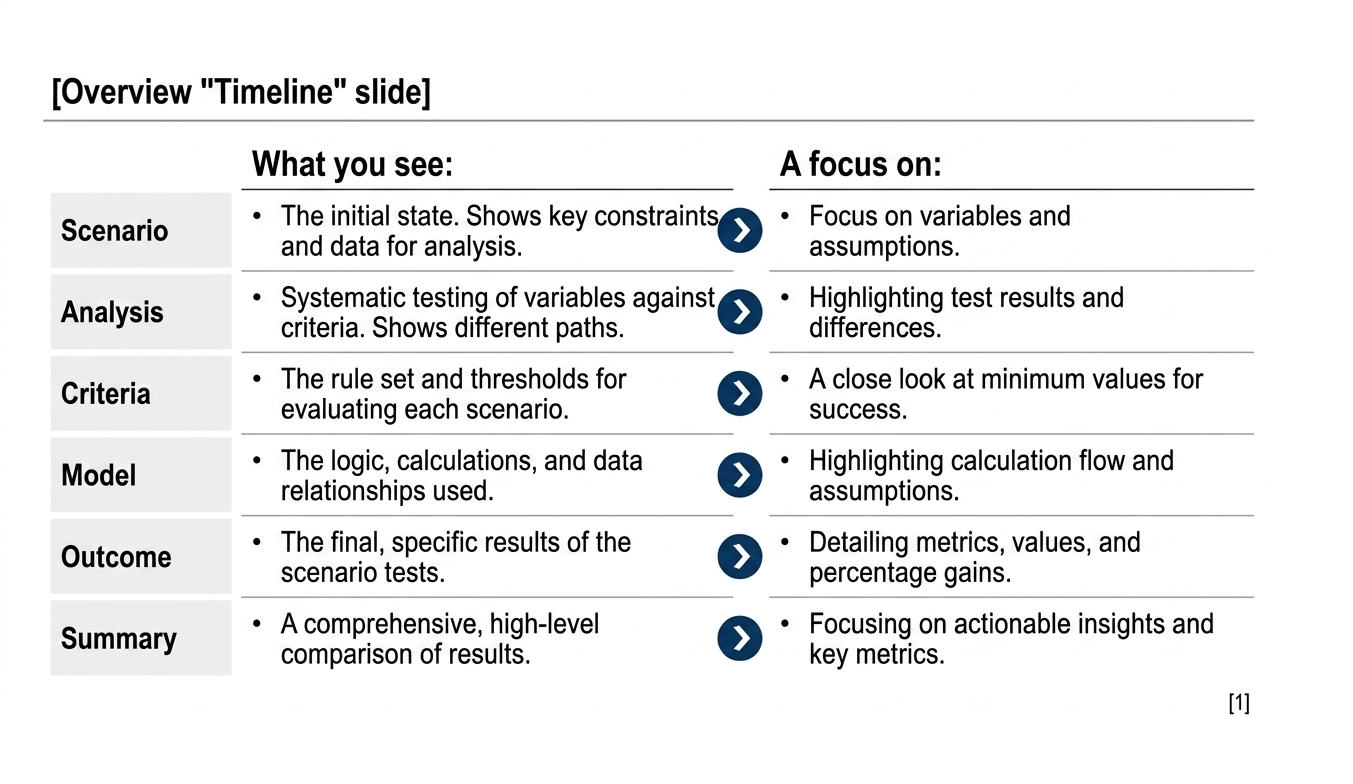
This is why integration decks benefit from a central dependency view. Finance may be ready to harmonize reporting, but if the ERP decision is unresolved that readiness is conditional. Sales may be eager to launch cross-sell programs, but if compensation design and CRM logic are not aligned the revenue synergy plan is overstated. HR may have an org chart ready, but if leadership retention packages are incomplete the operating model is not really stable. Good slides expose those links instead of hiding them.
The other non-negotiable is business continuity. Leaders will forgive a synergy timing slip more readily than a customer disruption, compliance miss, or reporting failure. A serious post-merger integration presentation should therefore show the balance explicitly: what is being protected, what is being changed, what is being delayed on purpose, and where the team is consciously trading speed for risk control. That is the kind of decision-ready framing executives expect.
Synergy And Risk Dashboard Reference
Prompt Recipe For A Post-Merger Integration Presentation
Create a 12-slide post-merger integration presentation for a private equity operating partner, CFO, integration management office lead, and steering committee. Deal context: a platform company has acquired a smaller software-enabled services business to expand enterprise accounts and improve margin through procurement, systems consolidation, and cross-sell. Include an answer-first executive summary, Day 1 readiness view, IMO governance, synergy bridge, functional workstream scorecard, TSA and systems decisions, talent and culture risks, Day 100 milestones, top blockers, leadership decisions needed, and a year-one value-capture roadmap. Use consulting-style action titles, make dependencies explicit, and keep the output editable in PowerPoint style rather than decorative.
Action Title Rewrite Matrix For PMI Slides
Integration headlines should tell the steering committee what to conclude from the work, not which function is speaking.
| Weak Topic Title | Stronger PMI Title | Why The Rewrite Works |
|---|---|---|
| IT integration | ERP consolidation should stay in wave two because Day 1 reporting stability matters more than early system unification | It turns a workstream label into a decision and tradeoff |
| Synergies | Eighty percent of year-one savings are credible, but procurement timing now depends on two supplier-contract novations | It shows value and condition together |
| Org design | The combined commercial model is ready, but two country leadership roles still need retention decisions before launch | It separates what is solved from what is exposed |
| Day 100 plan | Day 100 success depends on finishing customer migration sequencing before expanding cross-sell motions | It makes dependency logic visible |
| Risks | The biggest integration risk is customer disruption during contract and billing migration, not culture alone | It clarifies the real priority |
| Next steps | Leadership needs to approve TSA scope, retention packages, and procurement governance this week | It converts the slide into an explicit ask |
Signals That The Integration Is Drifting Off Track
Workstream Dependency Flow Reference
What AI Should Automate In A PMI Workflow And What Leaders Must Still Own
AI should handle the repetitive presentation mechanics that slow integration teams down. It can convert status notes into cleaner storyline blocks, draft action titles from workstream updates, structure scorecards, cluster open issues by decision theme, and map fragmented steering-committee comments into a more coherent deck. That matters because PMI teams spend too much time reformatting weekly updates instead of clarifying what leadership needs to do.
What AI should not own is the judgment about which risks are acceptable, which synergies are truly realizable, how aggressive the Day 1 cutover should be, or whether a target operating model choice is politically or operationally viable. It cannot decide whether a customer migration should be delayed, whether a leadership package is adequate to retain a key executive, or whether an ERP path creates too much reporting risk. Those remain sponsor, CFO, and IMO calls.
The right promise for XLSlides is therefore pragmatic. It helps teams move from messy inputs to a serious first draft quickly: an editable, PowerPoint-ready integration presentation with answer-first structure, workstream logic, and source-note placeholders. Human review is where accountability, tradeoffs, and real execution judgment still enter the deck.
Integration Management Office Scorecard Blocks
A useful PMI scorecard tracks value, readiness, risk, and ownership in one view instead of scattering them across separate status updates.
| Scorecard Block | What To Track | Why It Matters |
|---|---|---|
| Synergy realization | Run-rate captured, year-to-date realized, and costs to achieve | Shows whether the deal thesis is becoming economic fact |
| Continuity readiness | Customer, employee, reporting, and compliance launch status | Protects the business while change is happening |
| Decision backlog | Unresolved steering items with due dates and owners | Prevents the same blockers from lingering across meetings |
| Dependency health | Critical cross-functional handoffs and slippage risk | Highlights where one workstream could stall another |
| Talent and culture | Retention risk, leadership gaps, and key change actions | Makes people risk visible before it damages execution |
| Systems and TSA exit | Cutover dates, migration risk, and separation milestones | Keeps technology and transition complexity from hiding in technical appendices |
Functional Narrative Stack Reference
Short Answers To Common PMI Presentation Questions
What should be on the first slide of a post-merger integration presentation?
The first slide should state the integration objective, the current status of Day 1 or Day 100 readiness, the two or three biggest risks or blockers, the value-capture headline, and the exact decisions leadership needs to make. Senior readers should know what is stable, what is slipping, and what they need to approve before they reach slide two.
How is a PMI deck different from a due diligence deck?
A due diligence deck explains what the team learned before commitment. A PMI deck explains how the combined business will execute after commitment. Diligence is diagnostic. PMI is operational. The same facts may appear in both, but the post-merger presentation must focus on continuity, ownership, sequencing, and value realization.
How many workstreams should appear in the main PMI story?
Only the workstreams that materially affect continuity, value capture, or steering decisions should appear in the main story. Others can sit in appendix pages or supporting packs. The goal is not to show every task. The goal is to make the few executive-relevant dependencies and risks impossible to miss.
Can AI create a credible post-merger integration presentation?
Yes, if the team uses AI as a structuring and drafting layer rather than as a substitute for integration judgment. XLSlides can turn status notes, synergy plans, and workstream inputs into a cleaner first draft with action titles, scorecards, and executive-ready layouts. Sponsors and IMO leaders still need to validate the facts, set tradeoffs, and decide what should happen next.
Build The First PMI Draft In XLSlides
Use XLSlides to turn clean-team notes, Day 1 plans, workstream trackers, synergy models, TSA decisions, and steering-committee comments into an editable post-merger integration presentation with action titles, dependency logic, and executive-ready structure.