Key Takeaways
- A private equity investment committee deck is not a generic board deck. It is an approval document that must show why the asset is attractive, what can go wrong, and what management will do next.
- The strongest IC decks make the underwriting logic visible in slide titles, exhibit choices, and source notes before the committee has to ask for them.
- Good AI support is structural, not magical. It should accelerate first-draft slide logic, diligence summarization, and value-creation framing while leaving judgment, assumptions, and red-flag handling to the deal team.
- If the committee cannot understand the recommendation by reading the executive summary, the core economics, the risk page, and the value-creation path, the deck is not ready.
When A Deal Needs An Investment Committee Deck
Not every deal review needs the same narrative density. The closer the audience is to approving capital, the more the deck has to behave like a decision document.
| Situation | Primary Decision | What The Deck Must Prove | Common Failure Mode |
|---|---|---|---|
| Platform acquisition | Should the fund pursue and price the asset? | The target is attractive enough on market, company, and value-creation logic to justify approval | A good company story with weak downside treatment |
| Add-on acquisition | Does the asset improve the platform enough to act now? | The synergy logic, integration path, and valuation bridge are credible | Talking about strategic fit without quantifying integration risk |
| Final bid approval | Can the team underwrite the final price and structure? | Returns still work under the latest assumptions, diligence findings, and financing terms | Using an old deck after facts changed |
| Portfolio value-creation review | Which interventions merit sponsor attention and capital? | The top levers, timing, owners, and economics are explicit | An activity list with no quantified impact |
| Hold-versus-exit discussion | Should the firm keep improving or start a process? | The upside of waiting outweighs execution and market timing risk | Narrative optimism without scenario comparison |
What Makes A Private Equity Investment Committee Deck Different
An investment committee deck carries a tighter burden of proof than an ordinary management presentation. The audience is not looking for a broad update or a persuasive brand narrative. They are deciding whether to commit capital, authorize a bid, support a financing structure, or accept a risk profile. That makes the deck closer to a written recommendation than to a live presentation. Even if a partner speaks over it, the pages still need to stand on their own.
That standard changes what matters. The committee wants an answer-first summary, the logic behind the thesis, the economics that actually drive returns, the diligence issues that could break the case, and a concrete post-close plan. Attractive layout helps, but only after the reasoning is visible. A beautiful page that hides assumptions, blurs scenario boundaries, or treats risk as an appendix detail will slow approval rather than accelerate it.
For XLSlides, this is a strong product-fit topic because PE teams rarely struggle with having no information. They struggle with converting CIM excerpts, management-call notes, operating-model assumptions, lender materials, consultant workstreams, and diligence findings into one deck that reads coherently. The value of AI in this workflow is speed to a disciplined first draft that still behaves like editable PowerPoint work product.
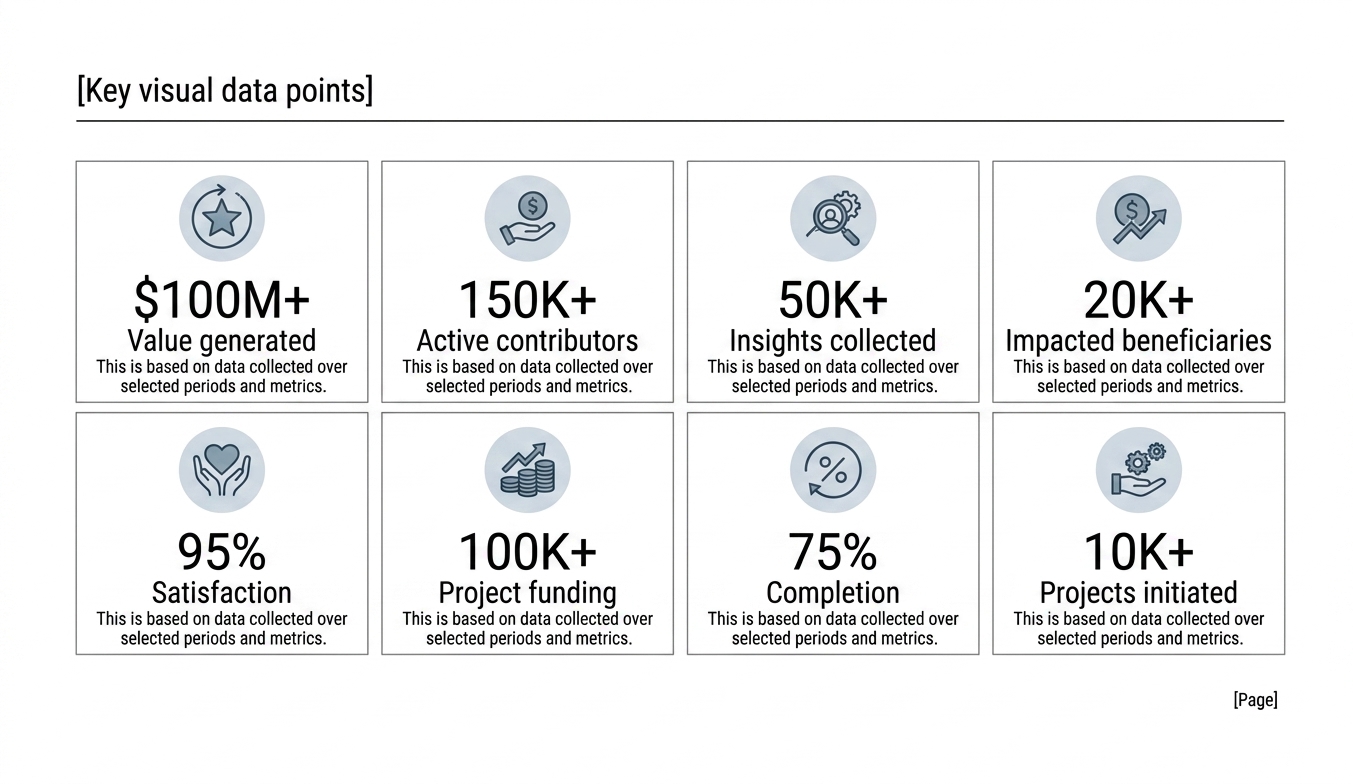
Opening Scorecard For The IC Discussion
Recommended 12-Slide Investment Committee Sequence
The exact deck changes by asset and stage, but most serious IC decks answer these questions in roughly this order.
| Slide | Purpose | Committee Question Answered |
|---|---|---|
| Executive summary | State the recommendation, price view, and main conditions | What are we approving? |
| Deal overview | Summarize target, transaction, and process context | What is the asset and why is it in front of us now? |
| Why this asset | Show the core investment thesis | Why is this attractive enough to pursue? |
| Market attractiveness | Prove category quality, growth, and resilience | Is the market worth backing? |
| Company performance | Explain revenue, margin, customer, and operating profile | Is the business quality real? |
| Value-creation plan | Show the few levers that matter most | How do we create returns after close? |
| Underwriting bridge | Connect entry case, leverage, and return sensitivity | How do the numbers work? |
| Diligence findings | Surface red flags and unresolved items | What could break the case? |
| Management assessment | Judge leadership quality, gaps, and sponsor fit | Can this team execute? |
| 100-day plan | Translate thesis into sequencing and owners | What happens immediately after approval? |
| Decision asks | List approvals, guardrails, and conditions | Exactly what vote is needed? |
| Appendix | Preserve backup data and diligence support | Where is the evidence behind the claims? |
Start With The IC Question, Not The Asset History
Many investment committee decks fail because they open with a company history lesson, a long market overview, or every diligence workstream at once. That is backwards. The committee first wants to know the ask: approve the indication of interest, approve the final bid, approve the leverage and equity check, or approve a value-creation plan for an owned asset. Until that question is explicit, the rest of the deck feels like information rather than argument.
A stronger workflow begins by writing the investment recommendation in plain language before any slides are designed. For example: approve a bid at the stated valuation range, subject to confirmation of customer concentration assumptions and debt terms. That sentence reveals the real structure of the deck. The pages now need to prove the upside, justify the price, bound the risk, and show what evidence still gates a yes.
This is also where action titles matter. An IC audience should not see vague headings such as Market Overview, Financials, or Next Steps. The titles should state the implication: recurring revenue quality supports downside protection, margin expansion requires pricing discipline and procurement action, or leverage remains acceptable unless two specific churn assumptions fail. Good titles compress the committee's reading time and expose weak logic early.
Inputs To Gather Before Drafting The Deck
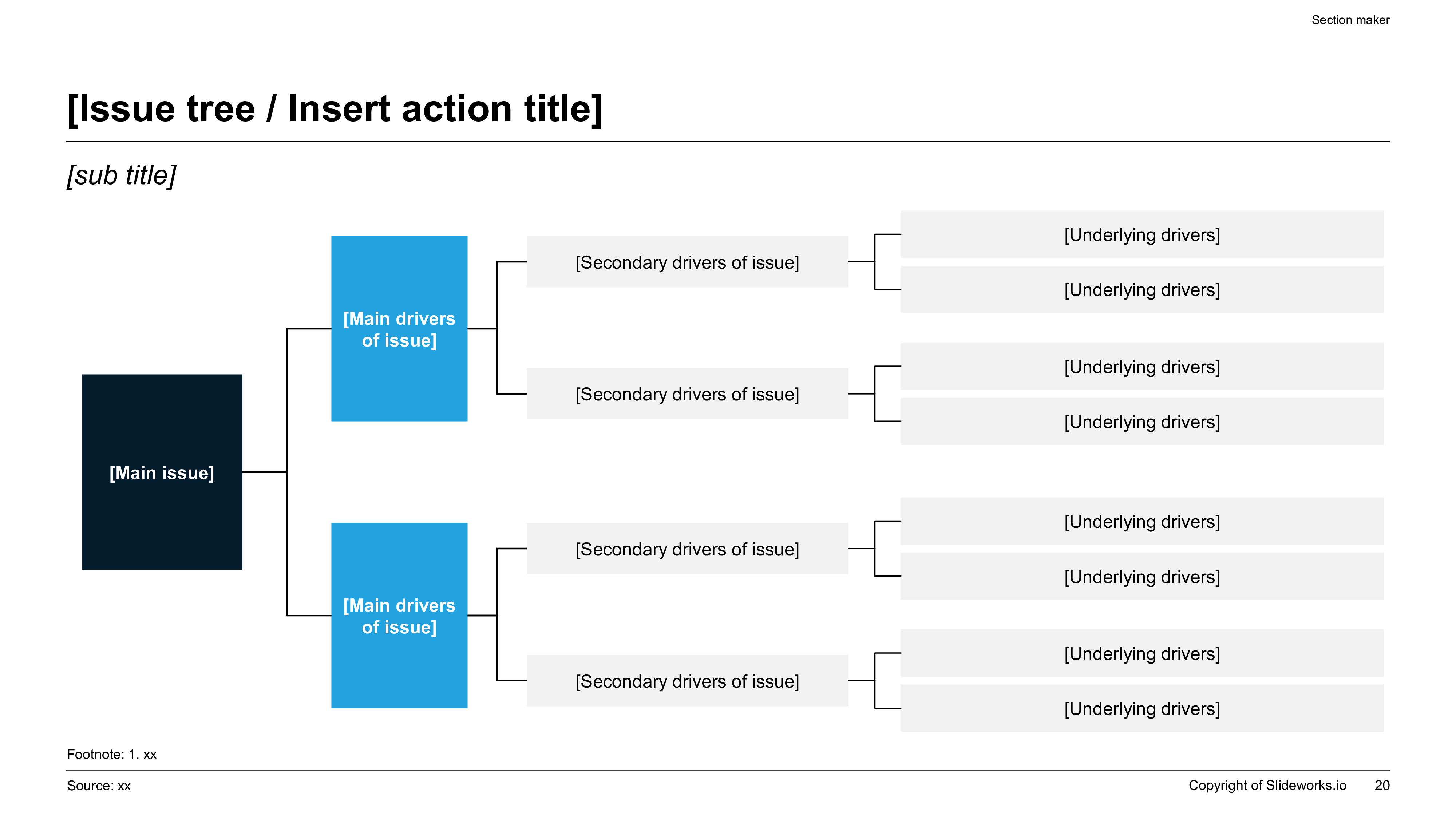
MECE Deal Logic For The Underwriting Story
Evidence Standards By IC Slide Type
Each part of the deck should show an appropriate proof standard. Committees lose trust when observed facts and inferred judgments are blended together.
| Slide Type | Evidence Needed | Minimum Source Discipline |
|---|---|---|
| Market attractiveness | Category growth, structure, fragmentation, and resilience evidence | Show primary industry sources, management data, or cited third-party reports |
| Company performance | Revenue bridge, margin drivers, customer mix, churn, and cash conversion | Separate audited history, quality-of-earnings adjustments, and management forecast |
| Value-creation plan | Named levers, impact ranges, timing, dependencies, and owners | Disclose which levers are proven, piloted, or still hypotheses |
| Returns case | Entry valuation, leverage, exit assumptions, and sensitivity ranges | Show the bridge from operating assumptions to MOIC and IRR |
| Diligence risks | Red flags, open questions, mitigation path, and decision implication | Do not hide unresolved issues in appendix if they could change the bid |
| Management assessment | Interview findings, operating evidence, and observed capability gaps | Label sponsor judgment as judgment and cite supporting evidence |
How To Show Underwriting Logic Without Drowning The Reader
The underwriting section is where many IC decks become unreadable. Teams often paste LBO outputs, model tabs, and every scenario variant directly into slides. The committee then spends more time decoding the format than discussing the decision. A better standard is to make the bridge visible. Show the few assumptions that matter most, the base case they produce, the downside range the committee should focus on, and the condition that would force the team to revisit price or structure.
In practical terms, that means the deck should distinguish business quality from financial engineering. If the deal only works because the leverage is aggressive or the exit multiple stays generous, the committee needs to see that immediately. If the return case is primarily operational, the value-creation pages need to prove why the levers are realistic within the ownership period. The audience is not just buying a spreadsheet. It is buying the plausibility of the execution path.
This is another good AI boundary. XLSlides can help compress operating notes, diligence summaries, and model takeaways into a cleaner storyline, but the team must still decide which assumptions are defensible. AI cannot know whether a customer concentration risk is already priced in, whether management's gross-margin target is credible, or whether the integration plan can actually land inside the first year. Those remain human calls.
Prompt Recipe For A Private Equity Investment Committee Deck
Create a 12-slide private equity investment committee deck for an executive audience. Audience: investment committee partners, deal lead, operating partner, and CFO. Decision needed: approve a final bid for a mid-market B2B services asset. Include an answer-first executive summary, deal overview, core investment thesis, market attractiveness, company performance, value-creation plan, underwriting bridge, downside scenario, diligence red flags, management assessment, 100-day plan, decision asks, and appendix source-note placeholders. Use consultant-style action titles on every slide. Make the tone analytical, concise, and decision-ready. Design for editable PowerPoint-style handoff rather than decorative AI slides.
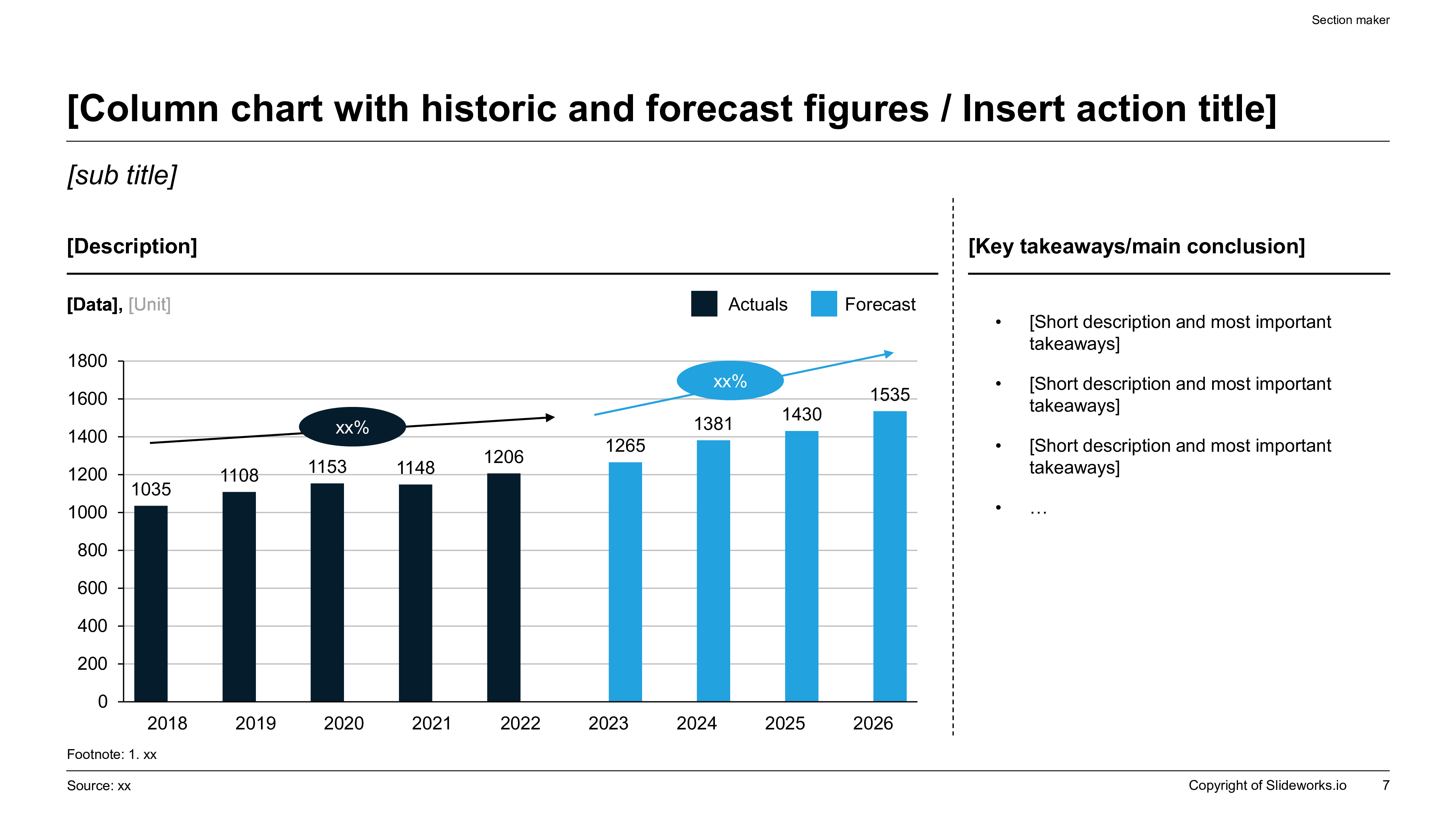
Base Case Versus Downside Underwriting View
Action Title Rewrite Matrix For IC Slides
The title should state the conclusion the committee is meant to evaluate, not the topic the slide covers.
| Weak Topic Title | Stronger IC Action Title | Why The Rewrite Works |
|---|---|---|
| Market overview | The category is resilient enough to support downside protection even in a slower demand environment | It converts context into the actual underwriting implication |
| Financial performance | Recurring gross profit quality is stronger than headline EBITDA volatility suggests | It tells the committee what to conclude about earnings durability |
| Value creation | Three operational levers can add margin within 18 months without requiring a replatforming bet | It frames value creation in timing and feasibility terms |
| Risks | Customer concentration is manageable only if renewal timing and contract conversion hold | It names the condition that changes the comfort level |
| Management | The CEO can carry commercial expansion, but the finance bench needs reinforcement before add-on activity | It gives a balanced judgment instead of generic praise |
| Next steps | Approval should be limited to the stated price range pending final commercial and lender confirmation | It makes the vote and guardrails explicit |
From Investment Thesis To 100-Day Plan
A useful IC deck does not stop at why the asset is attractive. It also shows why the sponsor is the right owner. That means the value-creation plan cannot be a slogan. If the thesis rests on pricing discipline, procurement, salesforce productivity, tuck-in M&A, or international expansion, the committee should see what those moves require in the first hundred days and which capabilities already exist versus which need to be added.
This is where many otherwise good deals become unconvincing. The thesis sounds plausible at a headline level, but the first-year execution path is vague. Strong decks bridge that gap. They explain which levers are immediate, which require management change, which depend on systems or data readiness, and which are intentionally not included in the base case. That helps the committee separate core underwriting from optional upside.
For PE-backed readers, this section is also where the deck becomes operationally credible. A sponsor does not just buy a company. It buys a sequence of interventions, constraints, and review moments. When the page sequence shows the first-year priorities clearly, the audience can assess whether the sponsor truly understands the work beyond the transaction.
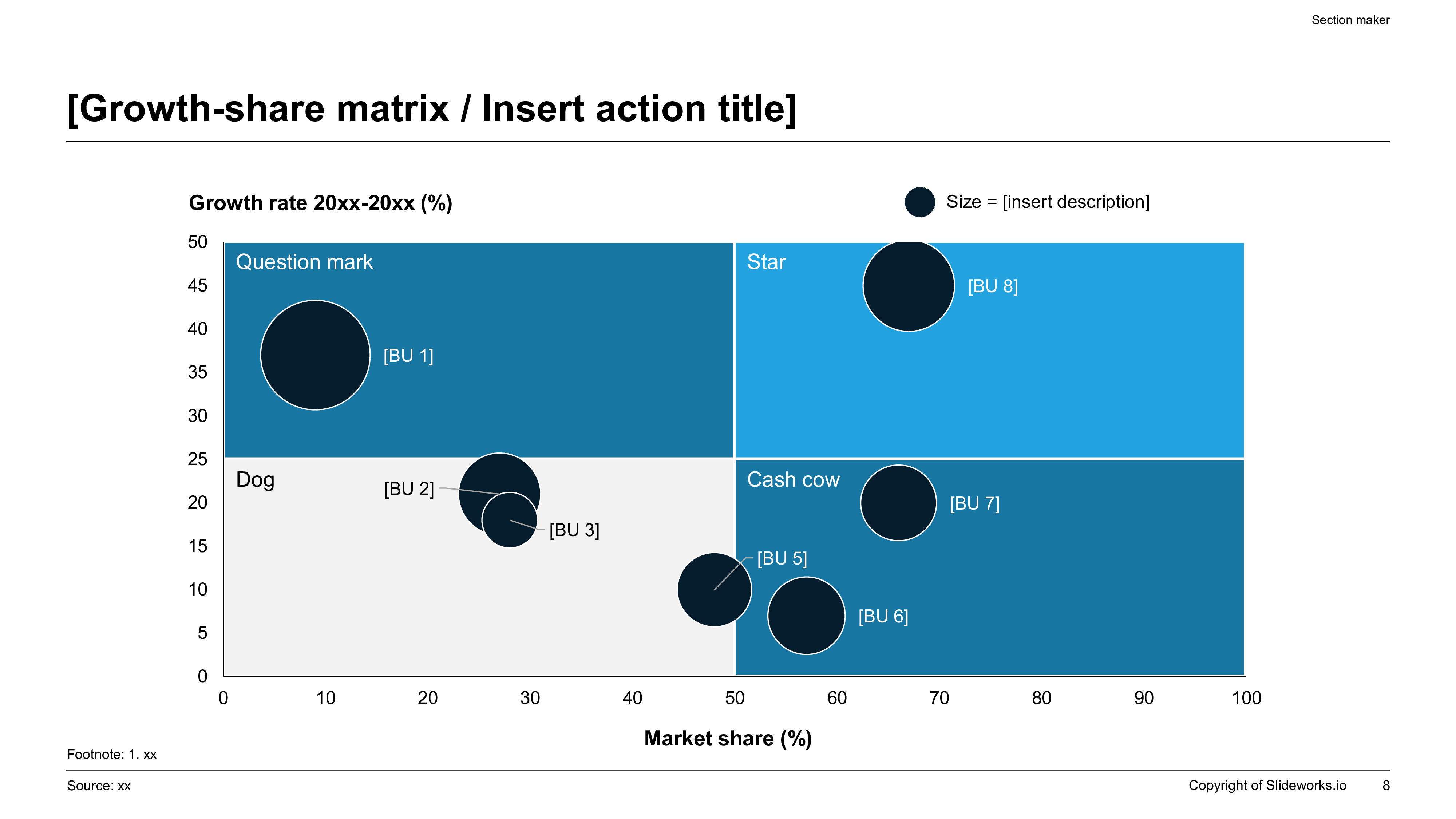
Portfolio Positioning And Exit Logic
What AI Should Automate In The PE Deck Workflow
The highest-value automation targets are repetitive presentation mechanics, not the sponsor's judgment about price or risk.
| Workflow Step | Good AI Contribution | Human Judgment Still Required |
|---|---|---|
| Drafting the deck spine | Convert CIM notes, lender materials, and diligence memos into a first-pass slide sequence | Choose the real approval ask and the few assumptions that govern the investment decision |
| Executive summary drafting | Propose answer-first summary language and action titles | Decide whether the wording overstates confidence or hides a real condition |
| Value-creation pages | Turn workshop notes into lever tables, timelines, and owner fields | Judge which levers belong in the base case versus upside case |
| Diligence synthesis | Compress red flags and open items into categorized summaries | Decide which issue is truly deal-breaking or price-changing |
| Model-to-slide translation | Format return drivers, bridges, and scenario takeaways into cleaner exhibits | Validate calculations, assumption definitions, and consistency with the latest model |
| Appendix preparation | Organize support material and generate source-note placeholders | Decide what the committee must see in the main flow before approval |
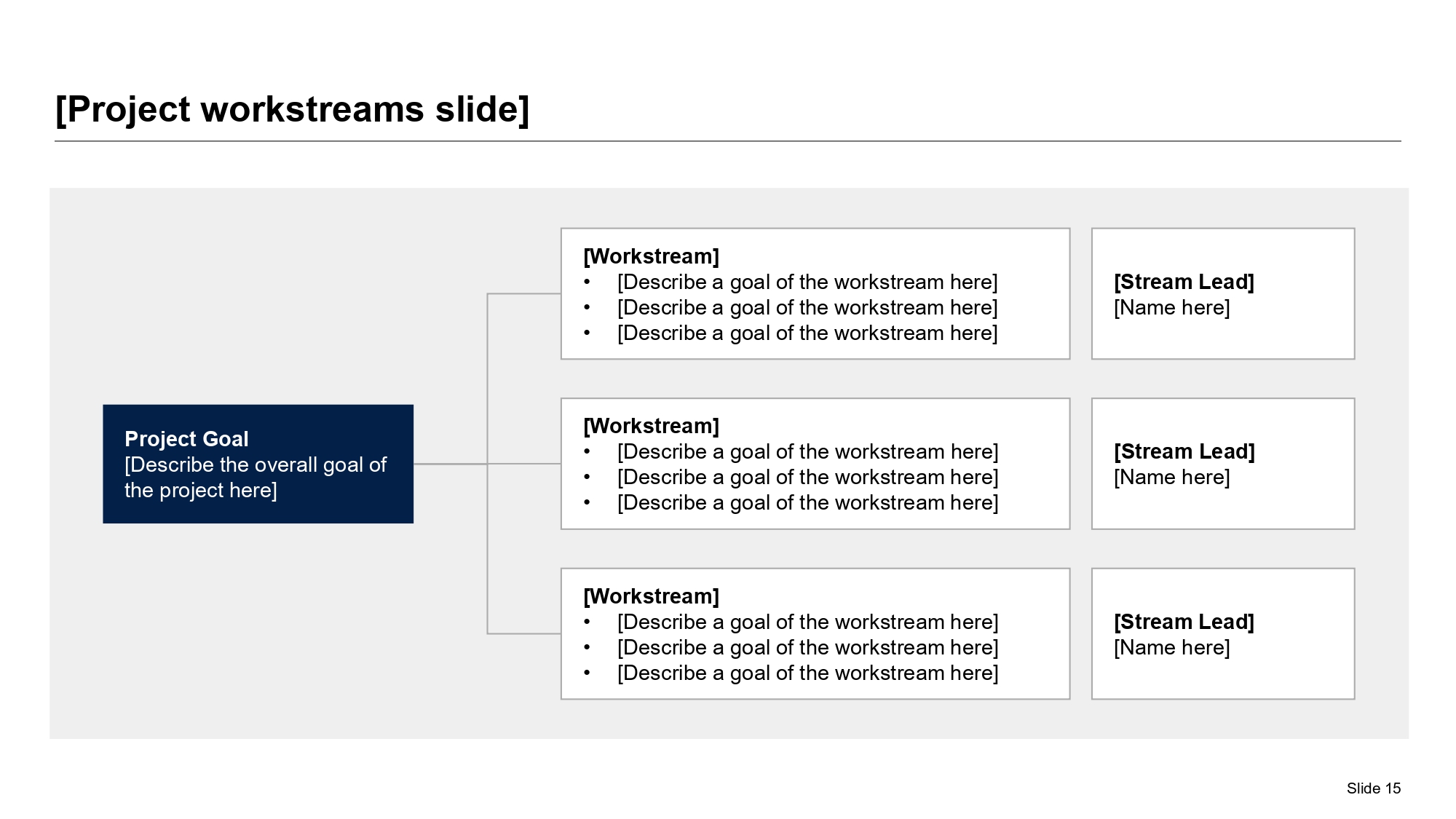
Governance And 100-Day Ownership Model
Frequently Asked Questions
What should a private equity investment committee deck include?
At minimum, include an answer-first summary, the investment thesis, market and company quality evidence, the return bridge, key diligence risks, management assessment, value-creation plan, decision asks, and appendix support for challenged assumptions.
How is an investment committee deck different from an investor update or board deck?
An investment committee deck is narrower and more approval-oriented. It must justify price, risk, leverage, and ownership plan under challenge. Investor updates and board decks may report progress or discuss options, but an IC deck must support an explicit capital decision.
Can AI generate a good PE investment committee presentation?
AI can generate a strong first draft when the inputs are clear, especially for storyline creation, action-title drafting, diligence synthesis, and slide formatting. The final deck still needs deal-team review for assumptions, legal nuance, data quality, and risk judgment.
What is the biggest mistake in IC deck writing?
The most common mistake is hiding the real decision behind background slides. Committees want the recommendation, the economics, and the risks visible early. If they have to infer the ask from slide nine, the deck is underperforming.
Final Review Checklist Before Committee Distribution
Build The First Draft In XLSlides
Use XLSlides to turn diligence notes, CIMs, operating assumptions, model takeaways, and management-call summaries into an editable private equity investment committee deck with action titles, underwriting exhibits, risk treatment, and a clear approval ask.