Direct Answer: What An Investor Update Presentation Should Do
An investor update presentation should help existing investors understand what changed, what matters, and where the company needs support without forcing them to decode raw spreadsheets, long emails, or optimistic narrative filler. A good update deck is not a fundraising pitch and not a generic internal review. It is a disciplined operating snapshot that shows progress, pressure points, and the next set of decisions clearly enough that investors, board observers, and internal leaders can react quickly.
That means the presentation has to answer a short list of questions well. What happened in the period? Which metrics moved in the right or wrong direction? What is driving the change? What management actions are already underway? Where does the company want investor help, introductions, or judgment? If those answers are visible in the slide titles and evidence, the update works. If the audience has to hunt through screenshots and commentary to find the real story, it does not.
Which Investor Update Are You Actually Sending
The right deck structure depends on cadence and decision burden. Monthly updates, quarterly reviews, and pre-board packets should not look identical.
| Update Type | Primary Audience Need | Core Slides | Common Failure Mode |
|---|---|---|---|
| Monthly investor update | Stay current on operating momentum and immediate asks | Headline summary, KPI snapshot, wins, risks, asks, next month priorities | Too much narrative and not enough metrics |
| Quarterly investor update | Understand trend movement and management judgment over a longer period | Quarter summary, KPI bridge, customer/commercial update, financials, risks, next-quarter plan | Recycling the monthly email with extra screenshots |
| Board and investor sync | Prepare for decisions, challenge points, and resource allocation | Recommendation summary, variance analysis, runway view, scenario implications, decision asks | Reporting activity instead of surfacing decisions |
| Fundraising-adjacent update | Show traction credibility without turning the deck into a pitch | Growth proof, unit economics, narrative progress, milestones, capital plan | Mixing operating transparency with pitch-style hype |
| Downside or reset update | Explain the problem, response plan, and confidence level quickly | Context, bad-news headline, root causes, cash plan, actions, support needed | Burying the issue until the appendix |
Key Takeaways
- Investor updates are operating documents, not design exercises or mini fundraise decks.
- The strongest decks make the KPI movement, management interpretation, and investor ask visible in under two minutes.
- Action titles, variance explanation, source discipline, and clear runway logic matter more than animation or theme polish.
- AI is useful when it organizes messy notes and spreadsheets into a first draft, but human judgment must still decide tone, disclosure level, and which risks deserve top billing.
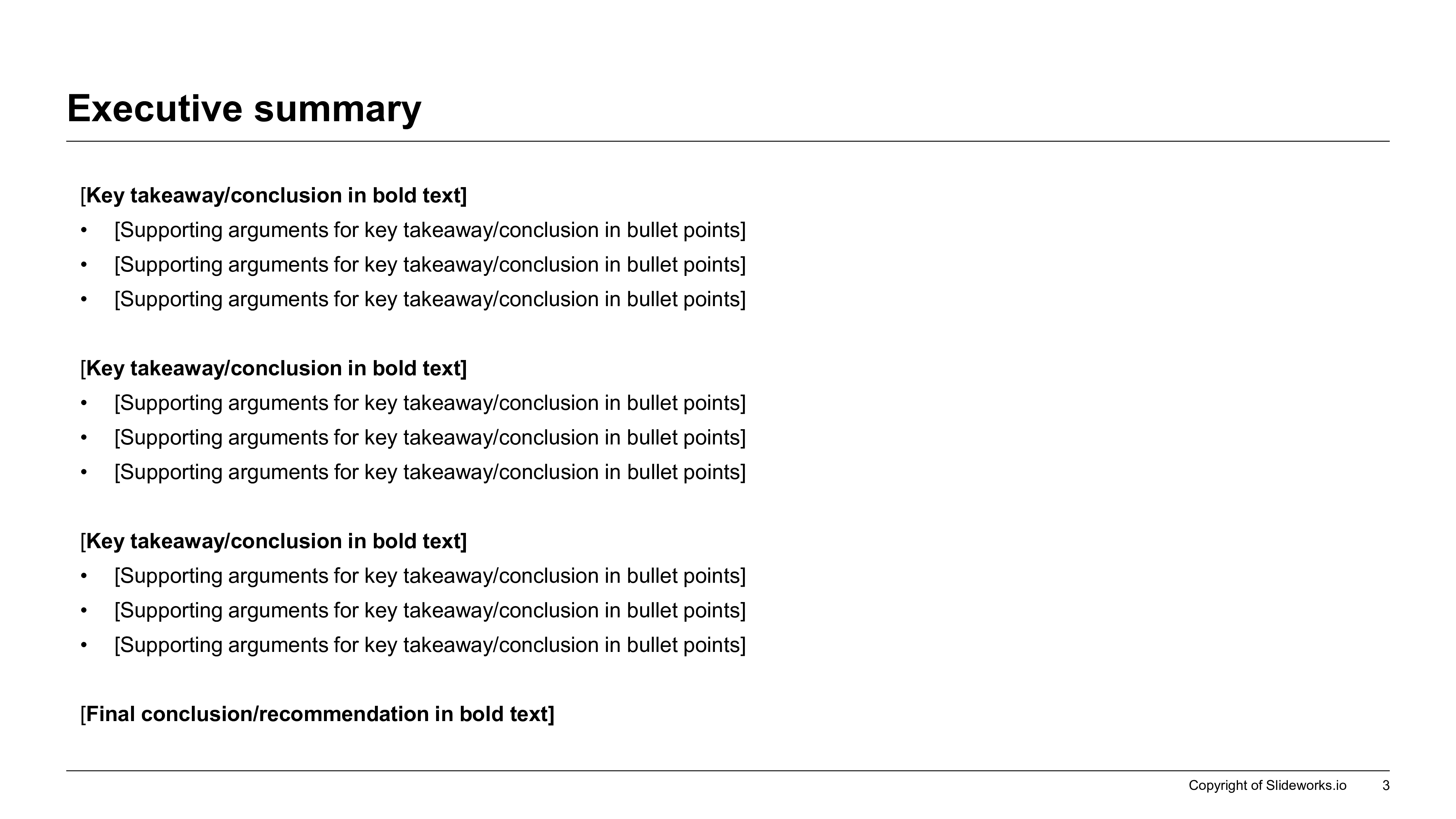
Executive Snapshot Layout For An Investor Update
Why Serious Investors Read Updates Differently From Internal Teams
Internal teams often want completeness. Investors want signal. They are trying to understand whether the company is compounding, stalling, or changing shape. They need enough detail to trust the numbers, but they do not want an operations diary. A useful investor update therefore compresses a large amount of operating activity into a few interpretable claims: revenue or usage moved because of specific drivers, burn changed for specific reasons, and the next plan is credible under known constraints.
This changes the writing standard. The title cannot say "Sales update" if the real point is that enterprise pipeline rose but close timing slipped, pushing revenue recognition into next quarter. The slide cannot say "Product wins" if the real point is that one release lifted activation while another failed to improve retention. Investors are not evaluating whether the company worked hard. They are evaluating whether management understands the business tightly enough to describe what changed and what comes next.
For founders and CFOs, that makes the deck part reporting and part judgment memo. A clean investor update shows transparency without dumping every raw chart. It acknowledges uncertainty without sounding evasive. It explains why the management team still believes the plan is sound or why the plan needs adjustment.
What Belongs In The Monthly Investor Packet
Recommended 10-Slide Investor Update Deck
This sequence is concise enough for monthly cadence but strong enough to expand for quarterly or board-facing use.
| Slide | Purpose | Executive Question Answered |
|---|---|---|
| Opening summary | State the period result and tone | What is the one-minute read on this update? |
| KPI snapshot | Show the metrics that define company health | What moved materially? |
| Revenue or usage bridge | Explain the drivers behind movement | Why did the numbers move? |
| Customer and commercial update | Translate output into market traction | Are customers validating the story? |
| Product and execution progress | Show what shipped or changed operationally | What did management actually deliver? |
| Financial health | Clarify burn, runway, and cost pressure | How much room do we have? |
| Risks and watchouts | Name the issue investors should understand | What could break the current plan? |
| Response plan | Show management action and milestones | What are we doing about it? |
| Investor asks | Convert the update into useful support | Where can the investor network help now? |
| Appendix / source notes | Preserve backup evidence and assumptions | How can readers inspect the detail? |
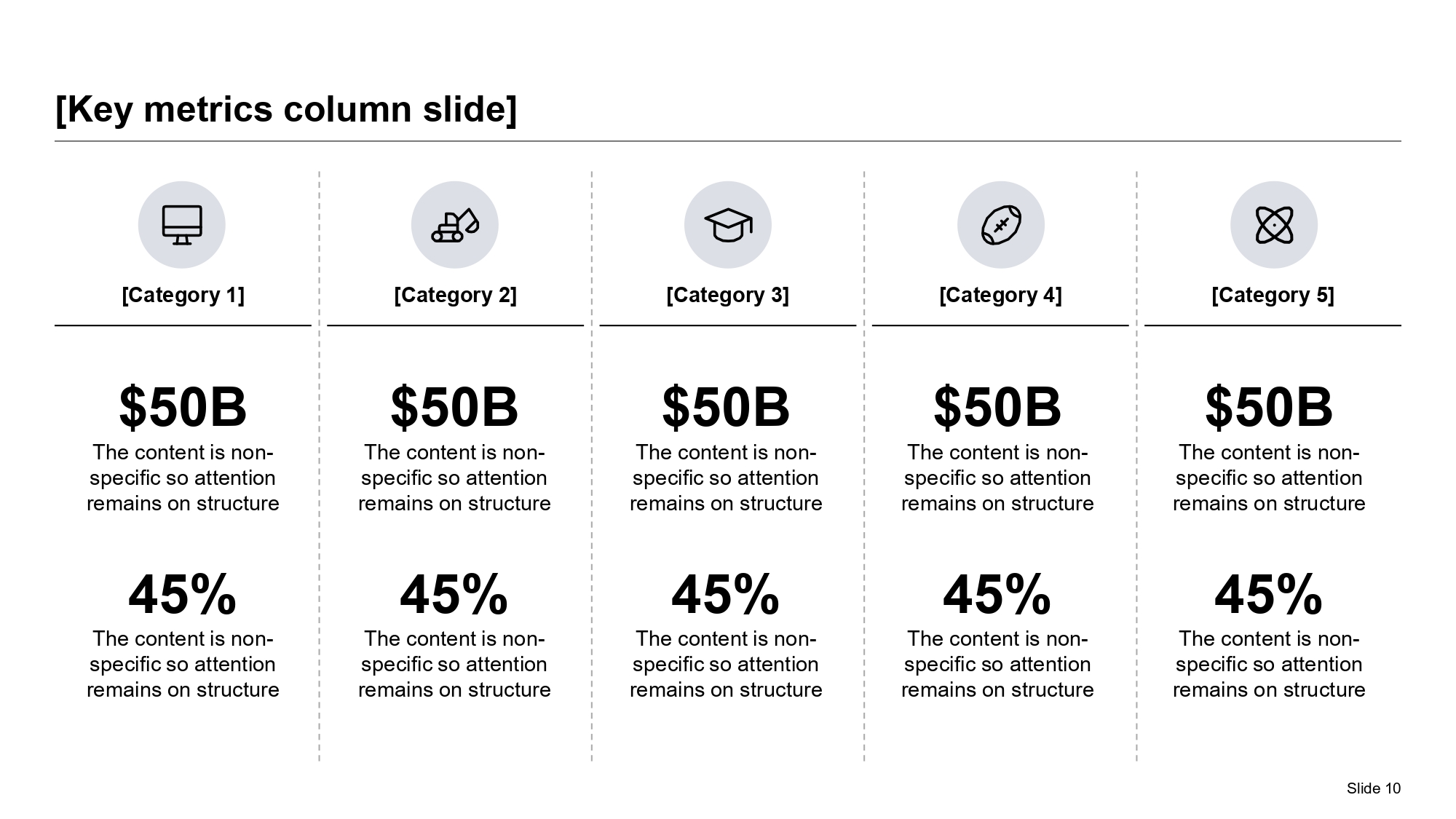
Metrics Snapshot Reference
How To Turn Raw Metrics Into An Investor Narrative
Most investor updates fail because the team exports charts from several systems and assumes the numbers can speak for themselves. They rarely do. Metrics need context. If net revenue retention improved, say whether the improvement came from expansion, lower churn, or a one-time contract pattern. If burn rose, say whether the increase came from planned hiring, gross-margin pressure, delayed collections, or a strategic spend that management still supports. Investors care about the cause because the cause changes what they infer about control and repeatability.
The best operating teams therefore treat the KPI section as the center of the deck, not one exhibit among many. They decide which five to eight metrics genuinely matter for the current stage, define them consistently, and build slide titles that carry the implication. For an early-stage SaaS company, that might mean new ARR, net revenue retention, gross margin, burn multiple, cash balance, runway, and enterprise pipeline quality. For a marketplace or consumer business, it may mean active users, repeat rate, contribution margin, CAC payback, or cohort retention instead.
This is also where spreadsheet-to-slide workflows matter. Much of the monthly work is mechanical: cleaning exported numbers, translating them into concise headings, laying them out consistently, and pairing them with commentary. XLSlides can compress that step if the prompt includes the period, audience, stage, metric definitions, and the two or three operating questions management wants readers to focus on.
What Changes By Audience
The update should preserve one underlying operating truth, but density and emphasis should shift depending on who will read it.
| Audience | What They Care About Most | What To Emphasize | What To Avoid |
|---|---|---|---|
| Seed investors | Momentum, learning velocity, and survival | Growth proof, product iteration, runway, asks for hires or intros | Overbuilt financial detail with no operating takeaway |
| Series A or B investors | Repeatability and efficiency | Pipeline quality, retention, margin, hiring leverage, capital discipline | Vanity usage metrics detached from revenue logic |
| Board directors | Decision quality and risk management | Variance vs plan, scenario view, response options, tradeoffs, decision asks | A cheerful progress report with no hard edges |
| Existing PE or growth equity holders | Value creation and downside control | Unit economics, operating leverage, working capital, strategic milestones | Narrative optimism unsupported by metrics |
| Internal exec team forwarding to investors | Message consistency | One source of truth, clean action titles, appendix support, next-period goals | Different stories in email, board deck, and spreadsheet pack |
Prompt Recipe For An Investor Update Presentation
Create a 10-slide investor update presentation for an executive audience. Audience: existing investors, board observers, CEO, and CFO. Company stage: growth-stage B2B software company. Period: quarterly update. Include an answer-first opening summary, KPI snapshot, variance commentary, customer/commercial progress, product and operating milestones, burn and runway view, risks, management response plan, investor asks, and appendix source-note placeholders. Use consultant-style action titles on every slide. Make the tone transparent, concise, and board-ready. Design for editable PowerPoint-style output rather than decorative AI slides.
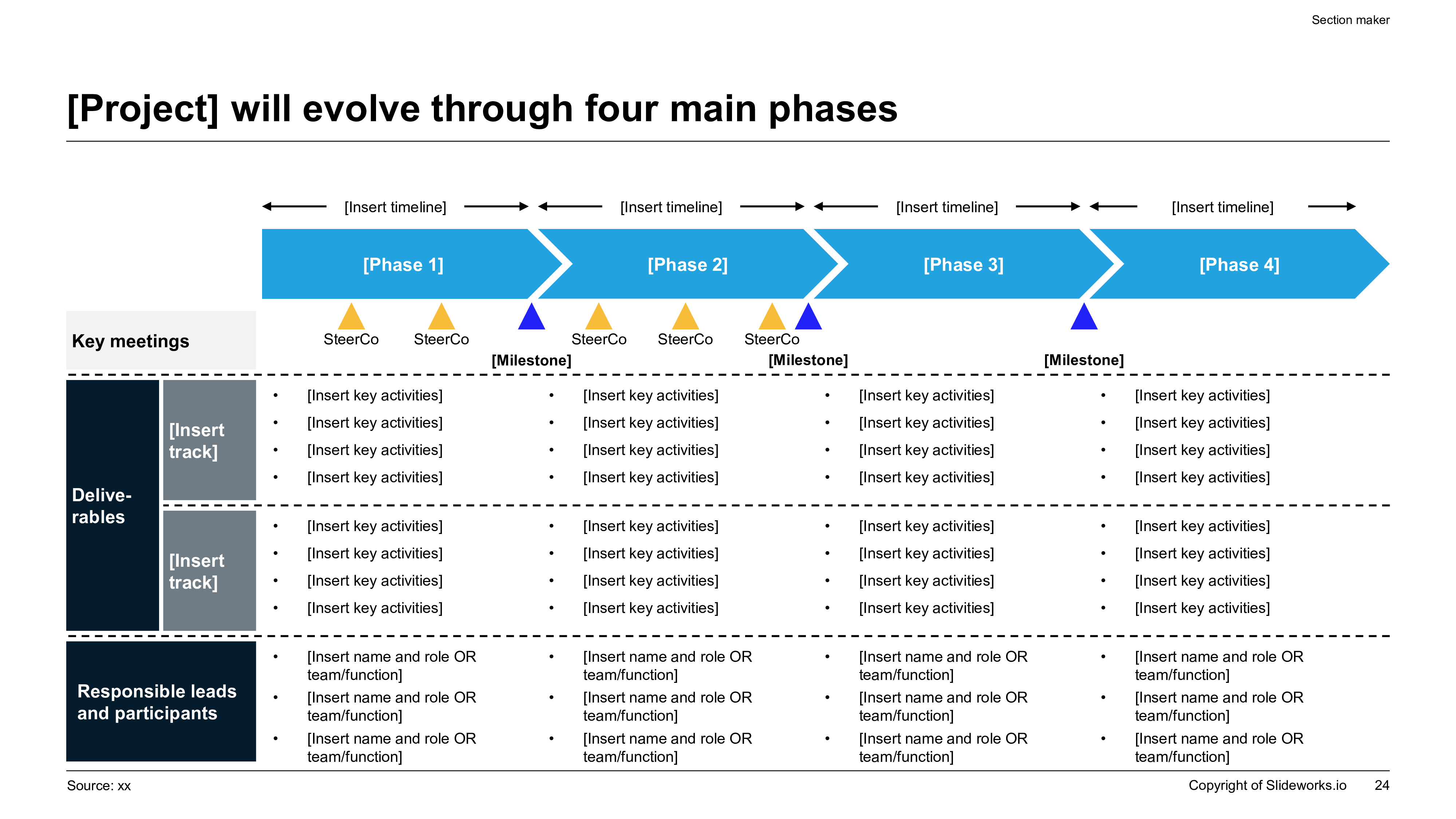
Milestone And Response Plan Reference
Action Title Rewrite Matrix For Investor Updates
The title should tell investors what to conclude, not only which department the slide came from.
| Weak Topic Title | Stronger Action Title | Why The Rewrite Works |
|---|---|---|
| Revenue update | New ARR grew, but collections timing pushed reported revenue below plan | It distinguishes growth from timing noise and sets up the right follow-up discussion |
| Customer success | Expansion outweighed churn, but enterprise onboarding remains the main drag on NRR | It shows both progress and the unresolved issue |
| Product update | The analytics release improved activation, while retention still depends on workflow adoption | It explains what shipped actually changed |
| Financials | Burn increased because the hiring plan moved forward before enterprise closes caught up | It ties cost movement to a management choice |
| Risks | Pipeline concentration remains the biggest risk if two late-stage deals slip again | It names the risk with enough specificity to be useful |
| Next steps | Management is prioritizing enterprise conversion, collections discipline, and a narrower hiring pace next quarter | It turns a vague conclusion into an operating plan |
What AI Should Automate In The Update Workflow
Investor updates contain a lot of repeatable presentation work. Teams need to normalize exported metrics, turn notes from finance, sales, and product into one storyline, draft action titles, lay out charts consistently, and keep the same structure month after month without producing dead-looking slides. Those are good automation targets because they consume time but rarely require final judgment.
What should remain human is the disclosure judgment. Which miss is important enough for slide two? How much detail belongs in the main deck versus appendix? What language is transparent without becoming careless? Which numbers should be shown on a gross basis versus net basis? Should the company frame this month as a temporary dip, a structural issue, or evidence that the plan is working? Those are management calls, not formatting calls.
A strong XLSlides workflow therefore starts with inputs that a finance lead or founder would already trust: the reporting period, company stage, investor audience, key metrics with definitions, the major wins, the major risks, any asks, and a note on tone. Once those are explicit, XLSlides can generate a serious editable first draft that still needs review before it goes to a board member or investor.
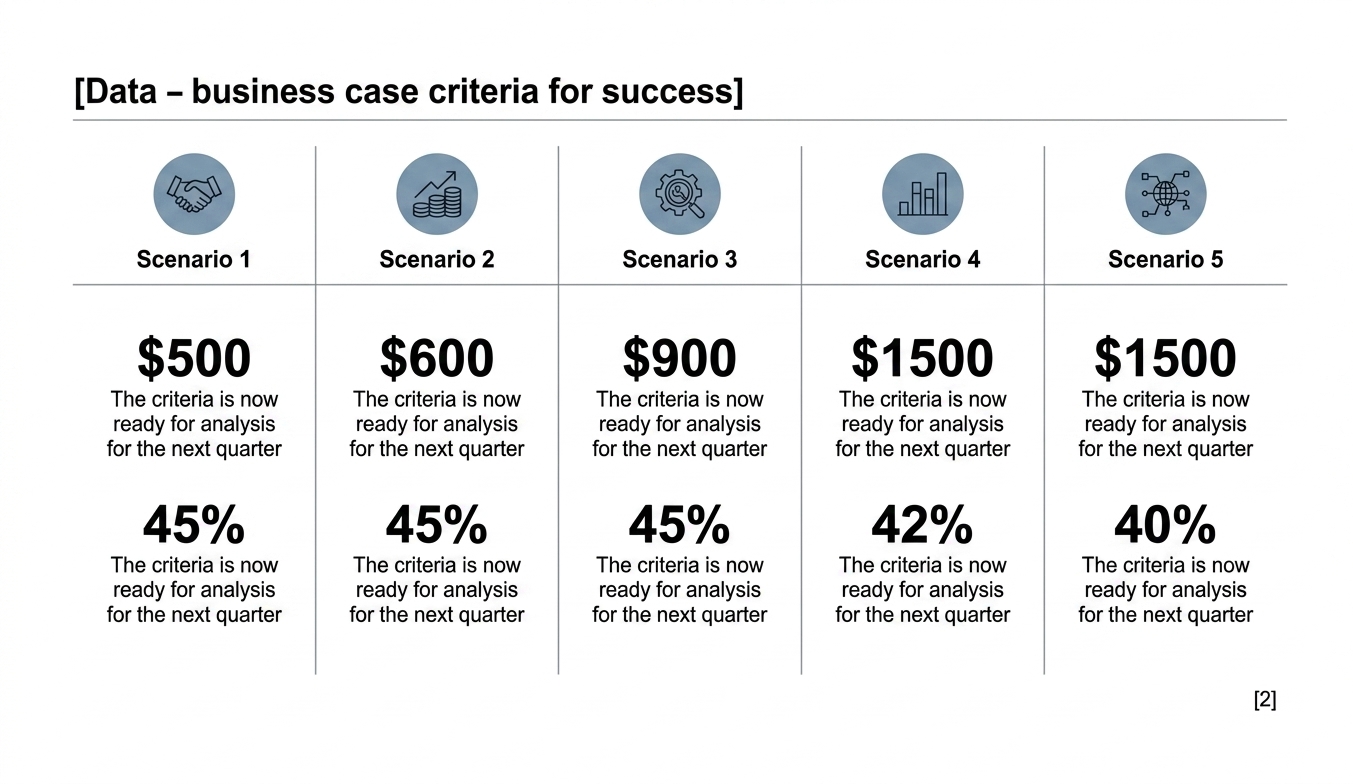
Scenario View For Investor Confidence
Source Discipline By Investor Update Slide
Each section of the deck needs a different proof standard. Investors trust transparency more than polished certainty.
| Slide Type | Evidence Needed | Minimum Source Discipline |
|---|---|---|
| KPI snapshot | Board-approved metric definitions and current-period values | Keep metric definitions stable and note any restatements |
| Revenue or pipeline commentary | CRM, billing, collection, and forecast data | Separate booked, recognized, and projected numbers clearly |
| Product progress | Release notes, usage evidence, experiment results, support data | Do not claim customer impact without observed signal |
| Burn and runway | Cash balance, burn rate, debt or financing context, forecast assumptions | Show the assumption set behind runway rather than a single headline number |
| Risk slide | Observed issues, leading indicators, management assessment | Label directional judgment as judgment rather than fact |
| Investor asks | Named intros, hiring needs, or strategic requests | Make the ask concrete enough that an investor can act on it immediately |
Common Mistakes That Make Investor Updates Less Credible
The first mistake is confusing positivity with confidence. Sophisticated investors do not expect every month to be strong. They expect management to understand what happened. A deck that glosses over churn, margin pressure, hiring misses, delayed launches, or soft pipeline signals creates more doubt than a deck that surfaces the problem early and shows the response plan.
The second mistake is changing the metric set too often. If one month features pipeline and the next month features only revenue, investors will assume the omitted metric deteriorated or is being managed loosely. A better habit is to keep a stable operating spine and add only one or two special-topic slides when the business truly changes.
The third mistake is blending board content, investor updates, and pitch content into one document. A fundraising deck sells the upside. An investor update proves operating control. They can support each other, but they should not sound the same. When management uses fundraising language inside a recurring update, investors often stop trusting the signal.
The fourth mistake is making the page beautiful but not editable. Investors, chiefs of staff, and CFOs still live in PowerPoint-style review cycles. The deck needs to be easy to revise when a late-close number changes, a board member requests another cut, or a source note needs to move from appendix to main page. That is exactly the workflow where XLSlides has product fit.
Frequently Asked Questions
What should an investor update presentation include?
At minimum, include an answer-first summary, the few metrics that define company health, commentary on why they moved, wins, risks, management actions, and any investor asks. The update should explain the period, not just archive activity.
How is an investor update different from a board deck?
An investor update is usually narrower and more recurring. A board deck often goes deeper on decisions, tradeoffs, and governance questions. The operating facts should stay consistent, but the board version usually carries more explicit decision framing.
Can AI generate a good investor update deck?
AI can generate a strong first draft when the inputs are clear, especially for structuring slides, drafting action titles, and organizing metrics and commentary. The final version still needs a founder, CFO, or chief of staff to validate the numbers, disclosure choices, and tone.
Should investor updates be monthly or quarterly?
That depends on stage, investor expectations, and business volatility. Early-stage companies often benefit from concise monthly updates, while later-stage companies may combine lighter monthly signals with a deeper quarterly review.
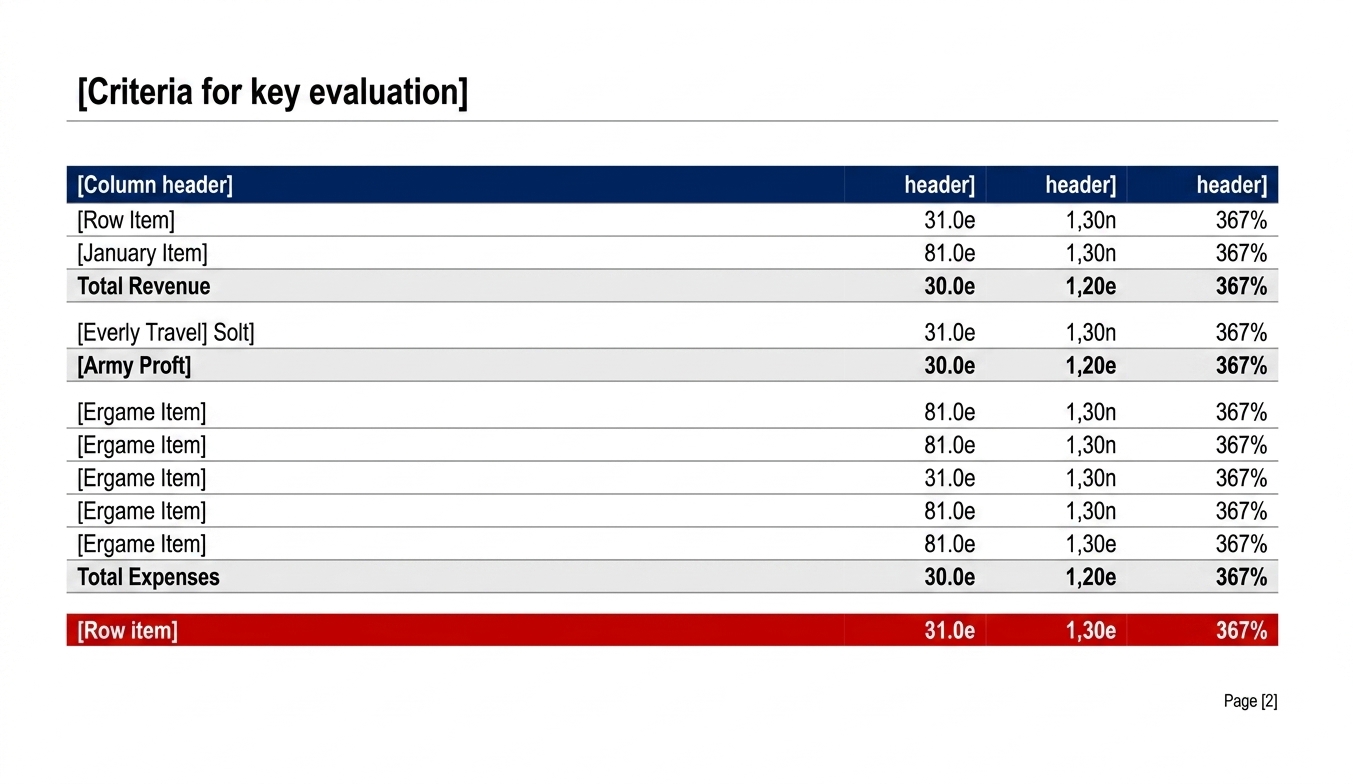
Appendix Evidence And Financial Grid
Final Review Checklist Before Sending The Deck
Build The First Draft In XLSlides
Use XLSlides to turn spreadsheets, founder notes, KPI snapshots, board comments, and update emails into an editable investor update deck with action titles, metrics-first layouts, risk treatment, and a concrete support ask.