Steerco Deck Takeaways
- A steering committee deck is a decision document, not a long project update.
- The best steerco slides translate workstream activity into decisions, risks, owners, timing, and implications.
- Executives should be able to scan the headlines and know what is off track, what matters, and what needs approval.
- AI is most useful when it assembles the first structured draft from PMO notes, dashboards, and workstream inputs while leaving judgment to the sponsor team.
Steering Committee Deck Vs. Board Deck Vs. PMO Status Report Vs. Change Pack
These artifacts are often confused. The format improves immediately when the team knows which executive job the presentation must perform.
| Format | Primary Audience | Main Question | What Good Looks Like |
|---|---|---|---|
| Steering committee presentation | Executive sponsor, PMO lead, function owners, finance, transformation leaders | What needs decision, escalation, or intervention right now? | Answer-first headlines, risk thresholds, owner actions, milestone logic, and explicit asks |
| Board deck | Directors, CEO, CFO, investors | What should leadership approve, challenge, or monitor at the highest level? | Fewer pages, more synthesis, tighter governance and capital allocation framing |
| PMO status report | Program team, workstream leads, delivery managers | What is the detailed operating status by task and dependency? | Granular task tracking, issue logs, dates, and delivery mechanics |
| Change management pack | Sponsors, people managers, HR, communications leads | How will adoption happen and how will resistance be managed? | Behavior-change framing, audience messaging, enablement, and adoption metrics |
Direct Answer: What A Steering Committee Presentation Must Do
A steering committee presentation exists to help senior sponsors make informed decisions under time pressure. That means the deck cannot be a workstream dump. It has to tell executives what changed, why it matters, where the program is at risk, what is on track, what decisions are required, and which owners are accountable for the next move.
The most useful steerco decks are built around a handful of management questions. Are milestones still credible? Which risks now threaten value, timing, cost, or adoption? Where are decisions blocked because ownership is unclear or tradeoffs were never resolved? Which issues belong in the steering room rather than the PMO working session? If the slide flow does not answer those questions quickly, the meeting usually drifts into disconnected updates and late-stage surprises.
This is why serious steering committee presentations look more like operating documents than polished marketing decks. They still need clean visuals, but their real job is to force clarity. Every page should make a point, every chart should support a decision, and every red or yellow status should explain the implication rather than merely showing a color.
Inputs To Lock Before You Draft The Steerco Pack
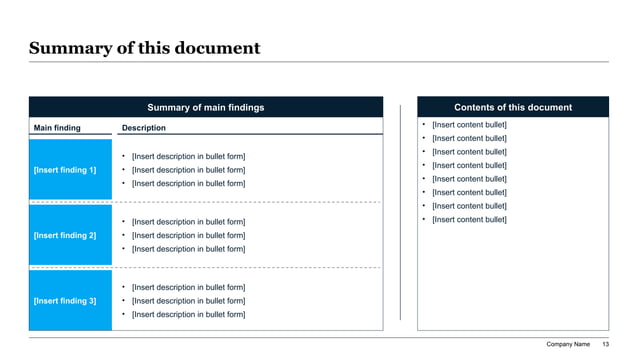
Decision Framing And Findings Summary Reference
Run The Meeting Around Decisions, Not Workstream Monologues
A common failure mode is letting each workstream present a self-contained status report. That feels fair to the team, but it is inefficient for executives. Sponsors do not need ten separate mini-meetings inside one deck. They need an integrated view of which dependencies are breaking, which milestones are still believable, and where intervention will change the outcome.
A better approach is to structure the steerco around decision gates. Start with the headline summary. Move next to milestone health, cross-workstream dependencies, and the top issues that now require executive attention. Only then go deeper into the specific workstreams that matter to those decisions. This shifts the meeting from reporting activity to resolving constraints.
That is also where action titles become non-negotiable. A slide called Project Status forces the executive to interpret the evidence. A title like ERP cutover remains achievable if finance sign-off happens this week gives the sponsor something to respond to. Steering committee audiences should never have to infer the conclusion from raw charts or long bullet lists.
The Seven Slides A Serious Steerco Usually Needs
The exact sequence changes by program, but most executive steering meetings require these jobs to be done somewhere in the main flow.
| Slide | Purpose | Executive Question Answered |
|---|---|---|
| 1. Answer-first summary | State overall status, key changes, and required decisions | What do we need to know and decide in this meeting? |
| 2. Milestone health | Show whether critical dates remain credible | Are we still on plan or is the baseline broken? |
| 3. Cross-workstream dependency view | Make upstream blockers and downstream effects explicit | Where will one delay cascade into another? |
| 4. Top risks and issues | Surface the few items that truly require sponsor attention | What could materially hurt timing, value, or adoption? |
| 5. Decision pack | Lay out options, tradeoffs, and recommendation | What are the choices and why is one path preferred? |
| 6. KPI or value realization scorecard | Show whether the program is improving the business outcome, not just hitting tasks | Is the program creating the result it was funded to create? |
| 7. Next steps and owner actions | Lock the post-meeting actions, owners, and deadlines | What happens immediately after we leave the room? |
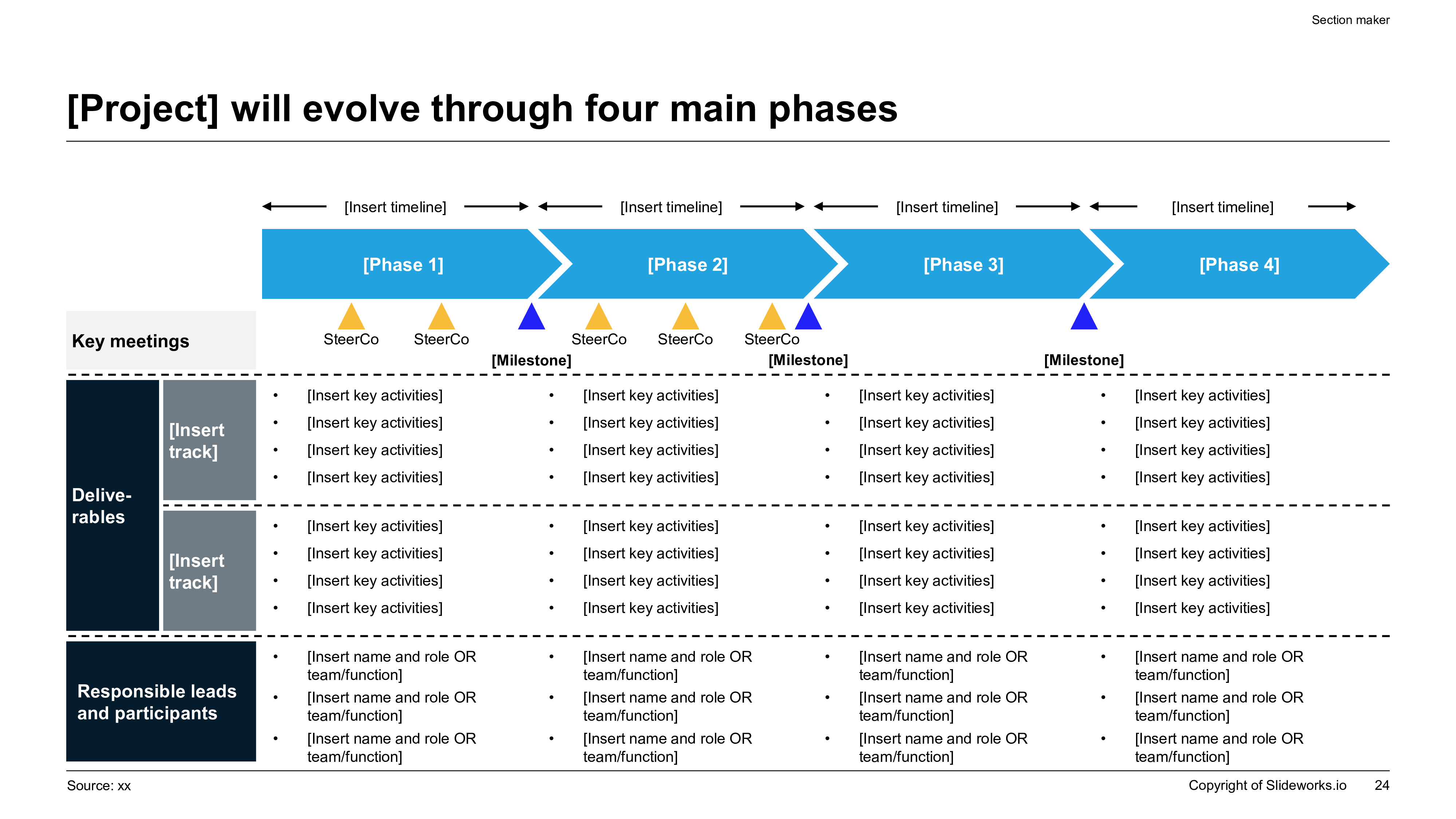
Milestone And Owner Cadence Reference
Prompt Recipe For A Steering Committee Presentation
Create a steering committee presentation for an enterprise transformation program. Audience: executive sponsor, PMO lead, CFO, function owners, and transformation workstream leaders. Context: the program spans operating model, systems, process, and change-management workstreams with several cross-functional dependencies. Build an answer-first deck that includes executive summary, milestone health, cross-workstream dependencies, top risks and issues, KPI or value-realization scorecard, decision options with recommendation, owner-based next steps, and appendix notes. Use consulting-style action titles, show the implication of every red or yellow status, and keep the output editable for PowerPoint-style review rather than decorative storytelling.
How To Report Red, Yellow, And Green Without Hiding The Real Problem
RAG reporting is useful only when the definitions are disciplined. Green should mean the outcome is still credible without executive intervention. Yellow should mean the outcome is at risk unless a concrete mitigation works. Red should mean the baseline is already broken or the business consequence is material. Many steerco packs fail because colors are treated as mood indicators rather than management signals.
The fix is to pair every status call with three things: the underlying evidence, the implication if nothing changes, and the owner action required. A yellow status without a quantified implication is usually just a polite way to avoid escalation. A red status without a recommendation turns the slide into a complaint. The executive room needs clearer framing than that.
This matters even more when AI helps draft the deck. Models can summarize program notes quickly, but they will default to neutral-sounding language unless the prompt asks for thresholds, implications, and explicit decisions. The human reviewer should therefore tighten every generated status headline into a sponsor-grade message before the deck goes out.
RAG Status Rewrite Matrix For Steering Committee Slides
Status colors should support a management conclusion, not replace one.
| Weak Status Label | Executive Rewrite | Why The Rewrite Works |
|---|---|---|
| Workstream is yellow | Procurement delay threatens pilot launch unless vendor terms close by Friday | It names the risk, threshold, and timing |
| Testing is red | SIT exit is no longer credible for June and requires sponsor approval on scope triage | It states the broken baseline and required action |
| Governance issue | Decision rights between finance and operations are blocking sign-off on the new process | It identifies where the conflict sits |
| Resource constraint | Two data-engineering gaps will delay reporting cutover unless capacity is reassigned this week | It connects staffing to milestone impact |
| Change risk | Manager adoption risk remains high because training starts after workflow changes go live | It explains why the risk exists |
| Milestone on track | Cutover remains on plan because testing defect volume is below the agreed risk threshold | It shows why green is justified |
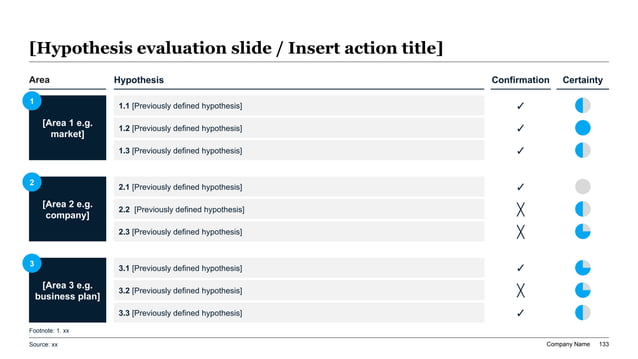
Hypothesis Confidence Scorecard Reference
Questions Sponsors Will Ask When The Deck Is Weak
What Belongs In The Main Deck, Backup Appendix, And PMO Working Pack
The main steerco deck should contain only the material needed for sponsor judgment. That usually means the answer-first summary, milestone credibility, top risks, cross-workstream dependencies, decision options, KPI implications, and owner actions. If a slide does not help the committee approve, prioritize, unblock, or escalate, it probably belongs somewhere else.
Appendix content should hold the proof. Detailed issue logs, milestone detail, risk registers, dependency maps, testing data, financial assumptions, and workstream backup belong there when they support a likely challenge. That lets the meeting stay fast without making the story feel ungrounded. A steerco deck loses authority when the main flow is overloaded with backup evidence that no one can absorb in real time.
The PMO working pack is different again. That document can go deeper on task tracking, detailed owners, interlock meetings, and week-by-week follow-up. It may use the same raw inputs as the steerco presentation, but it should not be confused with the executive artifact. One of the highest-value AI workflows for XLSlides is turning the PMO-level material into a sponsor-level deck without losing the logic.
Decision Types And Evidence Standards By Steering Committee Topic
Different steerco decisions require different proof. Good decks make the evidence standard visible before the meeting starts.
| Decision Topic | Evidence Needed | Minimum Standard |
|---|---|---|
| Milestone reset | Current baseline, root cause, critical path impact, revised timing | Show what changed, why, and how the new date was derived |
| Budget or funding ask | Cost bridge, value implication, alternatives considered, timing impact | Make the tradeoff explicit rather than presenting funding as inevitable |
| Scope decision | In-scope and out-of-scope items, business consequence, dependency impact | Clarify what the organization gains or gives up |
| Governance escalation | Conflicting owners, stalled decisions, escalation history, proposed resolution | Name the decision right that is missing or contested |
| Change or adoption risk | Audience impact, readiness signals, timing, mitigation plan | Separate communications activity from actual behavior-change evidence |
| Value realization status | KPI movement, baseline, target, owner, and timing to benefit | Tie program status back to the reason the business funded the work |
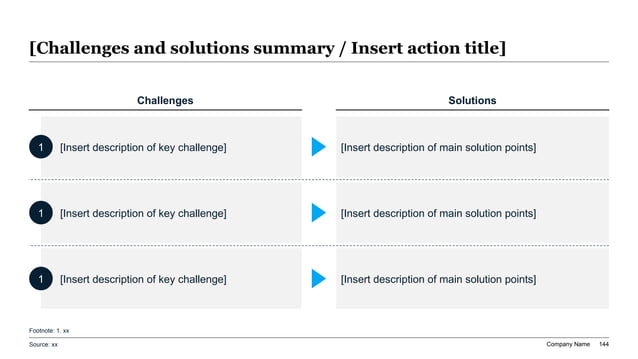
Challenge-To-Intervention Reference
A Practical 30-Minute Steerco Agenda
Many executive meetings are short. The deck should be structured to respect that reality instead of assuming unlimited review time.
| Agenda Block | Time | What Must Happen |
|---|---|---|
| Executive summary | 5 minutes | Confirm the current state, top changes, and decision areas |
| Milestone and dependency review | 6 minutes | Validate whether timing and cross-workstream interlocks remain credible |
| Risk and issue escalation | 7 minutes | Discuss the few items that genuinely need sponsor action |
| Decision pack | 7 minutes | Compare options, recommendation, and business consequence |
| Owner actions and next steps | 3 minutes | Lock who does what by when |
| Appendix challenge time | 2 minutes | Use backup evidence only where the committee pushes deeper |
Use XLSlides To Compress The Drafting Cycle, Not To Outsource Judgment
Steering committee workflows are usually messy. PMO teams pull data from risk logs, workstream trackers, milestone plans, finance models, test summaries, and meeting notes. Much of the labor sits in converting that fragmented material into a clean first narrative: what changed, what matters, what needs approval, and how to show it on a few slides. That is where XLSlides can save significant time.
The stronger operating model is to use XLSlides for synthesis and structure. Feed it the executive brief, recent decisions, milestone changes, issue log, KPI snapshot, and workstream updates. Let it draft the summary, milestone page, decision options, risk table, and next-step actions in a PowerPoint-style format. Then have the program lead or sponsor rewrite the headlines, pressure-test the evidence, and decide which issues truly belong in the room.
That positioning matters for this audience. Senior business readers do not want to hear that AI will magically run their governance process. They want a faster way to get from raw program material to an editable steerco draft that still respects executive standards of logic, clarity, and accountability.
XLSlides Resources For Steering Committee Work
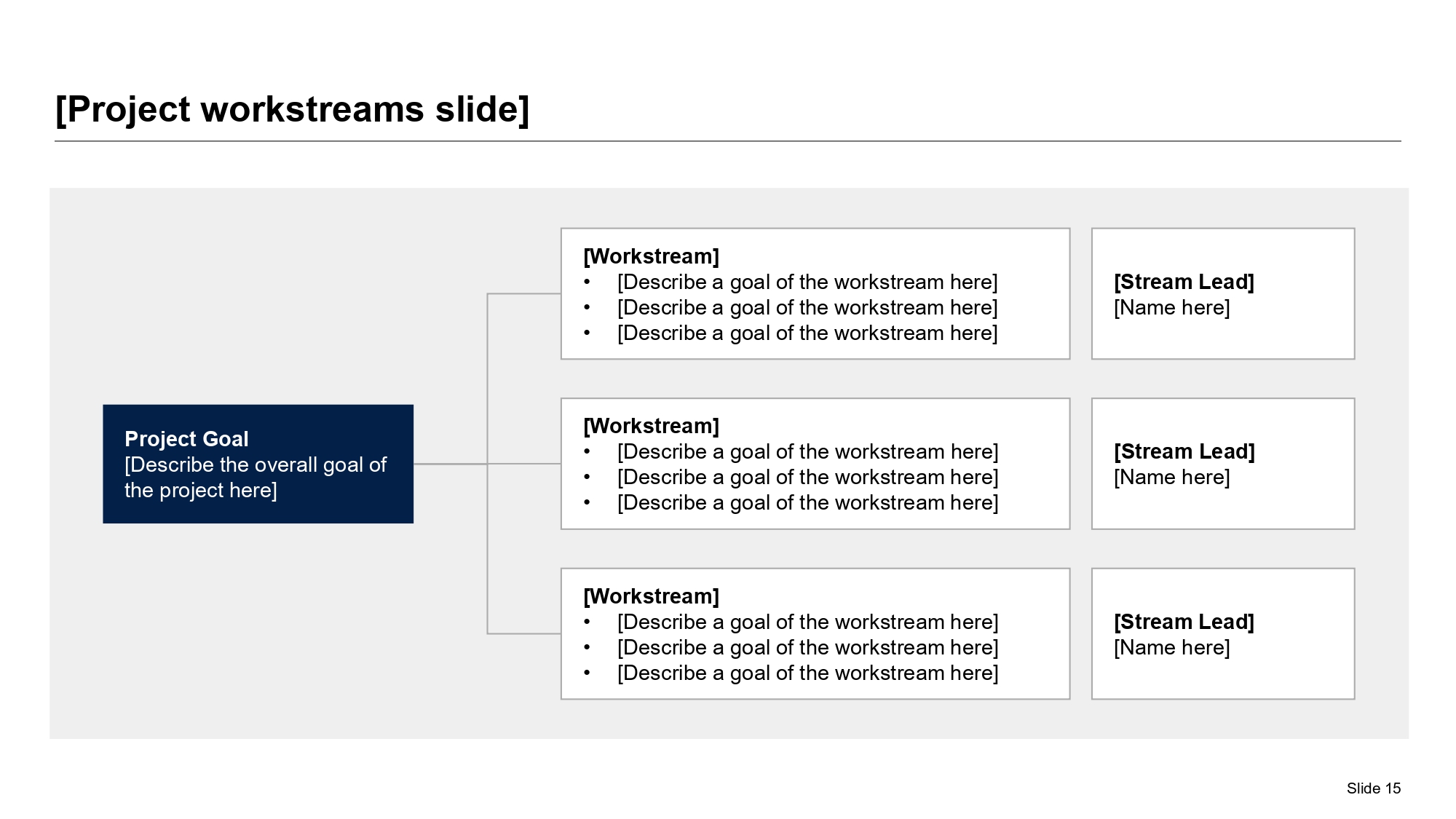
Governance And Workstream Ownership Reference
Common Questions About Steering Committee Presentations
What should a steering committee presentation include?
At minimum, include an answer-first summary, milestone health, cross-workstream dependencies, top risks and issues, decision options, KPI or value implications, and named next-step actions with owners.
How is a steering committee deck different from a board deck?
A steerco deck usually goes one level deeper on dependencies, owner actions, milestone credibility, and program risk. A board deck is shorter, more synthesized, and framed around oversight, capital, and strategic consequences.
How often should steering committee presentations be updated?
Most teams refresh the steerco deck for each meeting cadence, often monthly or every two to six weeks depending on the program. The right rule is to update whenever milestone status, decisions, or risk materially change.
Can AI generate the first draft of a steerco deck?
Yes, if the input includes the meeting objective, milestone changes, issue log, KPI snapshot, and required decisions. AI is strong at assembling the first structured draft, but sponsor judgment is still needed to validate the evidence and sharpen the asks.
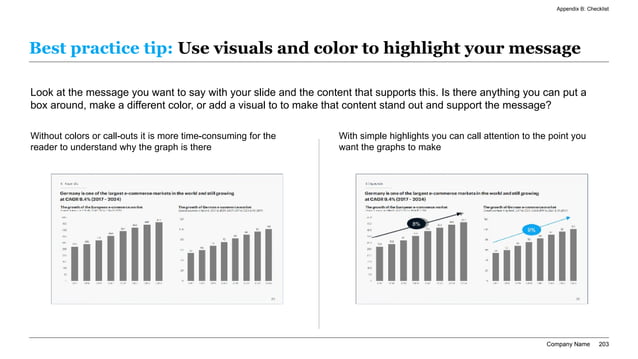
Chart Annotation Critique Reference
Generate The Steering Committee Draft In XLSlides
Use XLSlides to turn PMO notes, milestone trackers, risk logs, KPI snapshots, sponsor comments, and workstream updates into an editable steering committee presentation with action titles, milestone logic, decision framing, and owner-based next steps.
Generate Steering Committee Deck