The Perfect Startup Pitch Deck Structure: A Founder's Guide to the 12-Slide Framework
Quick answer
A strong startup pitch deck usually follows a 12-slide structure: title, problem, solution, market, product, business model, traction, go-to-market, competition, team, financials, and ask.
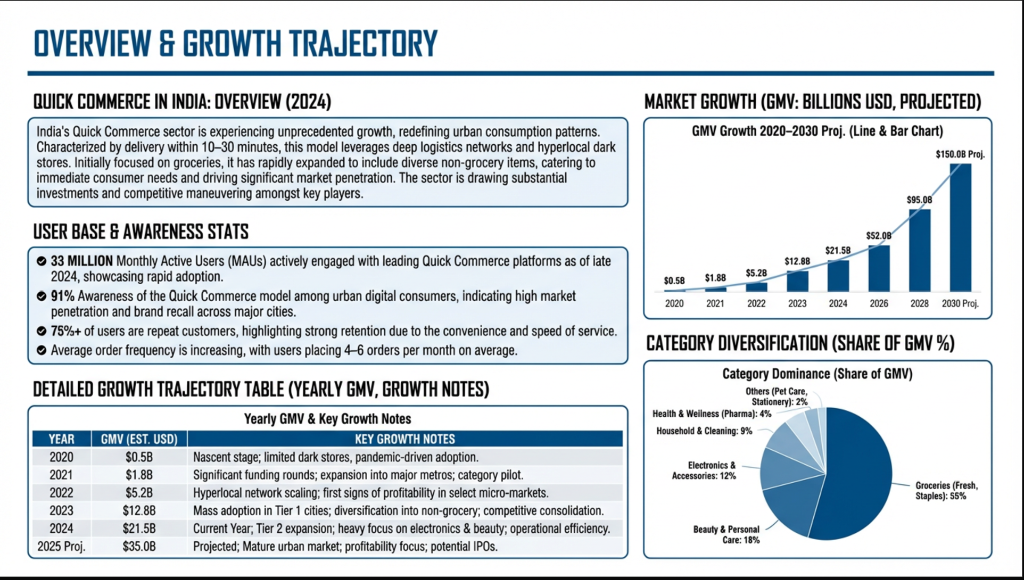
Every successful startup pitch deck follows a structure. Not because investors demand it — but because great storytelling requires a logical flow. Whether you're pitching to angels, VCs, or accelerators, this 12-slide framework will help you craft a deck that gets meetings.
Why Structure Matters More Than Design
Here's a counterintuitive truth: investors have seen every design trick. What they haven't seen enough of is clear, logical storytelling that answers their questions before they ask them.
A perfect pitch deck doesn't need fancy animations. It needs:
- A problem that's clearly painful
- A solution that's obviously better
- Evidence that it's already working
- A team that can execute
- A clear ask
The 12-Slide Framework
Slide 1: Title Slide
Purpose: First impression. You have 3 seconds.
Include:
- Company name and logo
- One-line description (max 10 words)
- Your name and title
- Contact info
Don't include: Your mission statement, founding story, or "We're changing the world" tagline.
Slide 2: The Problem
Purpose: Make the investor feel the pain.
Best practice: Use a specific, quantified example.
- ❌ "Communication is broken."
- ✅ "Enterprise legal teams spend 40% of their time on manual contract review. That's $500K/year in lost productivity for the average Fortune 500 company."
Slide 3: The Solution
Purpose: Show your product, plainly.
Keep it simple. One screenshot. Three bullet points explaining what it does. No jargon.
Slide 4: Market Opportunity (TAM/SAM/SOM)
Purpose: Show this is a big enough market.
Investors need to believe this could be a venture-scale return. Use bottom-up analysis:
- TAM: Total market if you captured everything
- SAM: The segment you can realistically target
- SOM: What you'll capture in the next 2-3 years
Slide 5: Product Demo
Purpose: Show, don't tell.
Include 2-3 screenshots or a short flowchart showing the user experience. If you have a working product, show it.
Slide 6: Business Model
Purpose: How you make money.
For SaaS: show pricing tiers, average contract value, and LTV/CAC ratio if available. For marketplace: show take rate and GMV growth.
Slide 7: Traction
Purpose: Proof that it's working.
This is the most important slide for investors. Show:
- Revenue growth (MoM or YoY)
- User growth and engagement metrics
- Key milestones (partnerships, notable customers)
- Expansion metrics (Net Revenue Retention)
Slide 8: Go-to-Market Strategy
Purpose: How you'll acquire customers.
Be specific. "Content marketing" is not a strategy. "Publishing 30 SEO-optimized articles targeting long-tail keywords in legal tech, supported by a product-led free tier" is a strategy.
Slide 9: Competitive Landscape
Purpose: Why you'll win.
Use a 2x2 matrix or feature comparison table. Don't pretend competitors don't exist — show why you're differentiated.
Slide 10: Team
Purpose: Why this specific team will succeed.
Focus on relevant experience. If you're building a legal tech company, say "Former BigLaw attorney" — not "MBA from a top school."
Slide 11: Financial Projections
Purpose: Show you've thought about the path to profitability.
Include 3-year projections with key assumptions clearly stated. Investors know these are estimates — they want to see that your assumptions are reasonable.
Slide 12: The Ask
Purpose: Close the deal.
Include:
- Amount you're raising
- How you'll use the funds (% allocation)
- Key milestones this funding will unlock
- Current round details (lead investor, terms if set)
Generating This Deck With AI
Here's the thing: you can spend 30+ hours crafting this deck manually, or you can use AI to generate the first draft in minutes.
With XLSlides:
- Enter your startup details and key metrics
- The AI generates all 12 slides with proper structure
- Fine-tune the content — add your specific data, adjust messaging
- Download as PPTX and polish in PowerPoint
The AI handles the structure, design, and formatting. You focus on your story and your numbers.
Final Tips
- Keep it under 15 slides. If you need more, your narrative isn't focused enough.
- No animations. Investors flip through decks. Transitions slow them down.
- High-contrast text. Many VCs read decks on their phones. Small text = lost details.
- Include backup slides. Have appendix slides ready for deep-dive questions.
- Send a PDF, present a PPTX. Different formats for different contexts.
Your Turn
The perfect pitch deck isn't one that looks the best — it's one that tells the most compelling story. Use this framework as your starting point, then make it uniquely yours.
Generate your pitch deck now → xlslides.com
This framework is based on analysis of pitch decks from YC, Sequoia, Andreessen Horowitz, and other top-tier firms. Built by IIM students who've been through the fundraising process.
FAQs
What is the ideal startup pitch deck structure?+
The common investor-ready structure includes title, problem, solution, market, product, business model, traction, go-to-market, competition, team, financials, and the ask.
How many slides should a startup pitch deck have?+
Most startup pitch decks work best at 10 to 15 slides. The goal is to answer the investor questions clearly without making the core narrative too long.
Can AI help build a startup pitch deck?+
Yes. AI can turn founder notes into a first-draft deck structure, but founders should add accurate metrics, customer proof, financial assumptions, and a specific fundraising ask.