NFC Contactless Payment Roadmap Presentation Template

Stop wasting hours on manual formatting. Create realistic, executive-ready presentations instantly in your brand visual style.

Tap-to-pay acceptance, wallet, and merchant rollout roadmap slides
Transaction speed, authorization, fraud, and conversion KPI dashboards
Security, compliance, partner dependency, and phased launch visuals

1What an NFC Contactless Payment Roadmap Needs to Prove

An NFC contactless payment roadmap should prove that tap-to-pay adoption will improve customer convenience, transaction speed, merchant performance, and payment security without introducing avoidable operational or compliance risk. Leaders need to see which channels, merchant segments, regions, customer journeys, or use cases justify investment first. The deck should explain how acceptance will work across cards, mobile wallets, wearables, transit credentials, loyalty identifiers, or embedded commerce experiences. It should also show the requirements for terminal readiness, tokenization, authorization, fraud controls, customer education, and partner coordination. This gives payment product leaders, fintech teams, banks, acquirers, issuers, merchants, security teams, compliance stakeholders, operations leaders, PMOs, and consultants enough evidence to assess customer value, merchant readiness, transaction performance, security posture, regulatory fit, partner dependencies, and rollout sequencing. The narrative should also define channel owners, payment-risk controls, acceptance milestones, partner dependencies, and adoption checkpoints for each rollout wave across every priority segment, region, and channel.
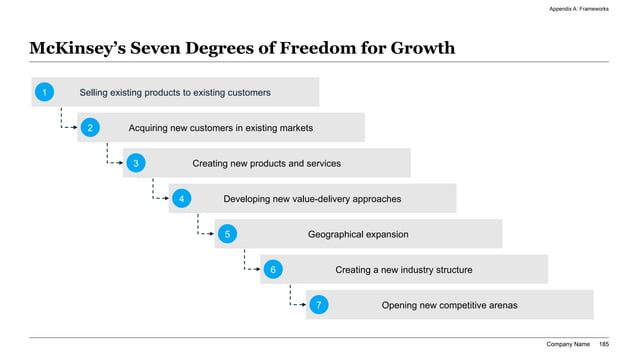
NFC contactless payment roadmap slide with seven staggered grey rollout steps and dashed arrows showing phased tap-to-pay adoption milestones.
Template Design LayoutNFC Contactless Payment Roadmap Presentation Template

2Who This Template Is Built For

This template is built for teams that need to present contactless payment modernization as a practical launch roadmap. Typical users include payment product managers, fintech founders, digital banking leaders, acquiring and issuing teams, wallet providers, merchant operations leaders, retail executives, transit payment teams, hospitality technology teams, fraud teams, compliance stakeholders, and strategy consultants. It is useful when the organization needs to decide whether to launch NFC acceptance, upgrade terminals, enable mobile wallets, expand tap-to-pay use cases, reduce checkout friction, or modernize in-person payment journeys. The audience usually wants a deck that connects payment experience to risk, infrastructure, economics, and adoption. This gives payment product leaders, fintech teams, banks, acquirers, issuers, merchants, security teams, compliance stakeholders, operations leaders, PMOs, and consultants enough evidence to assess customer value, merchant readiness, transaction performance, security posture, regulatory fit, partner dependencies, and rollout sequencing. The narrative should also define channel owners, payment-risk controls, acceptance milestones, partner dependencies, and adoption checkpoints for each rollout wave.

3Market Context and Customer Adoption Case

The market context section should show why contactless payment matters for the target business now. Useful inputs include current cash usage, card-present transaction mix, mobile wallet penetration, queue time, failed payment rate, customer satisfaction, competitor adoption, regional contactless norms, and regulatory or network incentives. The deck should identify which customer groups will benefit most, such as commuters, quick-service retail customers, event attendees, hospitality guests, field-service customers, or mobile-first consumers. It should also clarify whether the goal is speed, conversion, loyalty engagement, hygiene perception, lower cash handling, better fraud controls, or payment innovation. This gives payment product leaders, fintech teams, banks, acquirers, issuers, merchants, security teams, compliance stakeholders, operations leaders, PMOs, and consultants enough evidence to assess customer value, merchant readiness, transaction performance, security posture, regulatory fit, partner dependencies, and rollout sequencing. The narrative should also define channel owners, payment-risk controls, acceptance milestones, partner dependencies, and adoption checkpoints for each rollout wave.

4Acceptance Strategy and Merchant Readiness

The acceptance strategy should define where NFC payments will be enabled and what readiness gaps must be closed. A useful roadmap segments locations, terminals, merchant categories, checkout flows, digital channels, staff processes, and support needs. It should show whether existing point-of-sale hardware supports contactless, whether firmware or certification updates are required, how receipts and reversals work, and how exceptions will be handled. Merchant readiness pages should include onboarding, training, signage, helpdesk support, reconciliation changes, settlement reporting, and frontline troubleshooting. Without those details, contactless launch plans can look simple on paper but fail at the checkout counter. This gives payment product leaders, fintech teams, banks, acquirers, issuers, merchants, security teams, compliance stakeholders, operations leaders, PMOs, and consultants enough evidence to assess customer value, merchant readiness, transaction performance, security posture, regulatory fit, partner dependencies, and rollout sequencing. The narrative should also define channel owners, payment-risk controls, acceptance milestones, partner dependencies, and adoption checkpoints for each rollout wave.

5Payment Architecture, Wallets, and Integration

The architecture section should explain how NFC transactions move through the payment ecosystem. It may cover cards, mobile wallets, network tokens, secure elements, host card emulation, POS terminals, acquiring gateways, authorization routing, issuer response, settlement, loyalty systems, receipt systems, and customer notification flows. The deck should show which partners are involved and where dependencies sit, including terminal vendors, processors, networks, wallet providers, banks, fraud platforms, and merchant technology teams. Integration pages should clarify what must be tested before launch, including authorization speed, fallback behavior, reversals, refunds, duplicate-tap handling, and reconciliation accuracy. This gives payment product leaders, fintech teams, banks, acquirers, issuers, merchants, security teams, compliance stakeholders, operations leaders, PMOs, and consultants enough evidence to assess customer value, merchant readiness, transaction performance, security posture, regulatory fit, partner dependencies, and rollout sequencing. The narrative should also define channel owners, payment-risk controls, acceptance milestones, partner dependencies, and adoption checkpoints for each rollout wave.

6Security, Fraud, and Compliance Controls

Security and compliance pages should make the contactless payment risk model explicit. The deck should cover tokenization, cryptogram validation, transaction limits, strong customer authentication where applicable, fraud scoring, device binding, lost-device scenarios, chargebacks, PCI obligations, data minimization, privacy controls, and audit evidence. It should explain how risk changes across low-value tap-to-pay transactions, high-value wallet transactions, transit acceptance, unattended terminals, or merchant-presented experiences. Fraud teams will want to understand false declines, authorization rules, velocity checks, and monitoring dashboards. Compliance teams will want evidence that regional rules, network rules, and customer disclosure requirements are understood. This gives payment product leaders, fintech teams, banks, acquirers, issuers, merchants, security teams, compliance stakeholders, operations leaders, PMOs, and consultants enough evidence to assess customer value, merchant readiness, transaction performance, security posture, regulatory fit, partner dependencies, and rollout sequencing. The narrative should also define channel owners, payment-risk controls, acceptance milestones, partner dependencies, and adoption checkpoints for each rollout wave.

7Customer Experience and Adoption Plan

The customer experience section should show how users will discover, trust, and repeatedly use NFC payment. It should cover signage, wallet prompts, staff scripts, onboarding messages, transaction confirmation, receipt delivery, loyalty linkage, accessibility, failed-tap recovery, and customer support. Adoption pages can compare baseline checkout time, target transaction time, abandonment, cash handling, repeat usage, and wallet share. The deck should also identify friction points such as incompatible cards, unsupported devices, unclear terminal indicators, customer concerns about security, or staff uncertainty. A good adoption plan pairs product design with communication and operational support so contactless usage grows after launch. This gives payment product leaders, fintech teams, banks, acquirers, issuers, merchants, security teams, compliance stakeholders, operations leaders, PMOs, and consultants enough evidence to assess customer value, merchant readiness, transaction performance, security posture, regulatory fit, partner dependencies, and rollout sequencing. The narrative should also define channel owners, payment-risk controls, acceptance milestones, partner dependencies, and adoption checkpoints for each rollout wave.

8Economics, KPI Dashboard, and Success Metrics

The economics section should connect contactless rollout to measurable business outcomes. Value drivers may include faster checkout, shorter queues, higher conversion, lower cash handling cost, improved staff productivity, lower terminal maintenance, higher loyalty engagement, better fraud controls, and improved customer satisfaction. Cost drivers may include terminal upgrades, certification, software integration, partner fees, training, signage, support capacity, and campaign spend. KPI dashboards should track contactless share, authorization success rate, average transaction time, failed tap rate, chargeback rate, fraud rate, terminal uptime, customer adoption, merchant adoption, dispute volume, and incremental revenue or cost savings. This gives payment product leaders, fintech teams, banks, acquirers, issuers, merchants, security teams, compliance stakeholders, operations leaders, PMOs, and consultants enough evidence to assess customer value, merchant readiness, transaction performance, security posture, regulatory fit, partner dependencies, and rollout sequencing. The narrative should also define channel owners, payment-risk controls, acceptance milestones, partner dependencies, and adoption checkpoints for each rollout wave.

9Risks, Dependencies, and Governance

A contactless payment roadmap should make launch dependencies and risks visible early. Common risks include terminal incompatibility, slow certification, partner delays, fraud-rule miscalibration, staff training gaps, poor signage, failed transaction recovery, customer confusion, regulatory ambiguity, support-volume spikes, and reconciliation errors. Governance should define product owners, partner managers, risk reviewers, compliance approvers, merchant operations leads, technical owners, and executive decision gates. The deck should also show how pilot results will be reviewed before broader rollout, including acceptance rates, incident logs, customer feedback, authorization performance, and operational readiness. This gives payment product leaders, fintech teams, banks, acquirers, issuers, merchants, security teams, compliance stakeholders, operations leaders, PMOs, and consultants enough evidence to assess customer value, merchant readiness, transaction performance, security posture, regulatory fit, partner dependencies, and rollout sequencing. The narrative should also define channel owners, payment-risk controls, acceptance milestones, partner dependencies, and adoption checkpoints for each rollout wave before broader market expansion begins.

10Phased Roadmap and XLSlides Workflow

The phased roadmap should sequence NFC implementation through discovery, partner alignment, architecture, terminal readiness, pilot launch, customer adoption, risk tuning, scaled rollout, and continuous optimization. Early phases should focus on a controlled set of merchants, channels, or locations where customer value is clear and technical dependencies are manageable. Later phases can add new wallets, loyalty features, richer analytics, additional regions, and more complex payment journeys. XLSlides helps teams convert payment strategy notes, partner dependencies, security requirements, merchant readiness inputs, transaction KPIs, customer adoption assumptions, and launch milestones into a structured executive deck. The generated deck gives teams a strong working draft that can be refined with exact payment metrics, regulatory requirements, owners, and launch dates. This gives payment product leaders, fintech teams, banks, acquirers, issuers, merchants, security teams, compliance stakeholders, operations leaders, PMOs, and consultants enough evidence to assess customer value, merchant readiness, transaction performance, security posture, regulatory fit, partner dependencies, and rollout sequencing. The narrative should also define channel owners, payment-risk controls, acceptance milestones, partner dependencies, and adoption checkpoints for each rollout wave.