Earthquake Resilient Infrastructure Presentation Template

Stop wasting hours on manual formatting. Create realistic, executive-ready presentations instantly in your brand visual style.

Seismic hazard, asset vulnerability, and retrofit prioritization slides
Safety, downtime, repair cost, service continuity, and resilience KPI dashboards
Code compliance, funding, governance, and implementation roadmap visuals

1What an Earthquake Resilient Infrastructure Deck Needs to Prove

An earthquake resilient infrastructure presentation should prove that seismic risk has been translated into asset-level priorities, investment choices, and implementation responsibilities. Leaders need to see which facilities, bridges, utilities, transit assets, hospitals, schools, or public buildings face the highest probability of damage and which failures would create the greatest safety, service, and economic consequences. The deck should connect seismic hazard data to vulnerability assessments, retrofit options, code compliance, downtime reduction, funding needs, and emergency response implications. It should also make tradeoffs visible because not every asset can be strengthened at once. This gives infrastructure owners, public works leaders, engineers, asset managers, capital planners, insurers, lenders, emergency managers, regulators, PMOs, and consultants enough evidence to assess seismic exposure, life-safety risk, service continuity, retrofit feasibility, funding priority, governance maturity, and implementation sequencing. The narrative should also define asset owners, design standards, retrofit gates, funding decisions, and resilience checkpoints for each rollout wave.
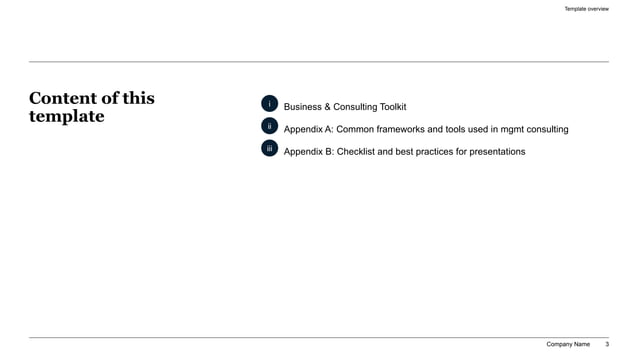
Earthquake resilient infrastructure agenda slide with left-side title and vertically numbered sections for seismic risk and retrofit planning.
Template Design LayoutEarthquake Resilient Infrastructure Presentation Template

2Who This Template Is Built For

This template is built for teams that need to present seismic resilience as a capital and safety program. Typical users include city resilience offices, public works departments, infrastructure owners, utilities, transit authorities, healthcare systems, universities, school districts, engineering firms, insurers, lenders, emergency managers, and consultants. It is useful when stakeholders must decide which assets to evaluate, where to fund retrofits, how to meet code or performance objectives, and how resilience improvements affect service continuity. The audience usually needs a deck that balances engineering evidence with finance, public safety, regulatory, and implementation considerations. This gives infrastructure owners, public works leaders, engineers, asset managers, capital planners, insurers, lenders, emergency managers, regulators, PMOs, and consultants enough evidence to assess seismic exposure, life-safety risk, service continuity, retrofit feasibility, funding priority, governance maturity, and implementation sequencing. The narrative should also define asset owners, design standards, retrofit gates, funding decisions, and resilience checkpoints for each rollout wave.

3Seismic Hazard and Asset Exposure Baseline

The hazard baseline should show where earthquake exposure is highest and which assets sit in priority zones. It should cover fault proximity, ground shaking, liquefaction, landslide risk, tsunami exposure where relevant, soil conditions, historical events, and design-basis assumptions. The asset exposure section should identify critical facilities, bridges, pipelines, substations, schools, hospitals, emergency operations centers, transit corridors, water systems, and older buildings that could experience severe damage. A useful page separates hazard probability, asset vulnerability, and consequence so the deck does not rely on a single map. This gives infrastructure owners, public works leaders, engineers, asset managers, capital planners, insurers, lenders, emergency managers, regulators, PMOs, and consultants enough evidence to assess seismic exposure, life-safety risk, service continuity, retrofit feasibility, funding priority, governance maturity, and implementation sequencing. The narrative should also define asset owners, design standards, retrofit gates, funding decisions, and resilience checkpoints for each rollout wave before capital approval and annual budget release decisions.

4Vulnerability Assessment and Failure Consequences

The vulnerability section should explain how assets are likely to perform during seismic events. It may cover building age, structural system, foundation type, nonstructural components, ductility, redundancy, past inspection findings, maintenance condition, occupancy, and critical service dependency. The deck should also show consequences such as casualties, service interruption, repair cost, emergency response constraints, economic disruption, environmental release, and community impact. Vulnerability pages are strongest when they rank assets by both likelihood of damage and consequence of failure. This helps decision makers prioritize investments that reduce the highest combined safety and continuity risk. This gives infrastructure owners, public works leaders, engineers, asset managers, capital planners, insurers, lenders, emergency managers, regulators, PMOs, and consultants enough evidence to assess seismic exposure, life-safety risk, service continuity, retrofit feasibility, funding priority, governance maturity, and implementation sequencing. The narrative should also define asset owners, design standards, retrofit gates, funding decisions, and resilience checkpoints for each rollout wave.

5Design Standards, Codes, and Performance Objectives

The standards section should clarify what level of performance the resilience program is targeting. It should cover applicable building codes, seismic retrofit standards, bridge or utility design criteria, performance-based design objectives, life-safety expectations, immediate occupancy targets, operational continuity requirements, and regulatory obligations. The deck should distinguish minimum compliance from resilience ambition, because an asset can meet older code expectations and still fail to support recovery objectives. It should also show how standards vary by asset type and criticality. Clear performance objectives help teams compare retrofit options and explain why some assets justify higher investment. This gives infrastructure owners, public works leaders, engineers, asset managers, capital planners, insurers, lenders, emergency managers, regulators, PMOs, and consultants enough evidence to assess seismic exposure, life-safety risk, service continuity, retrofit feasibility, funding priority, governance maturity, and implementation sequencing. The narrative should also define asset owners, design standards, retrofit gates, funding decisions, and resilience checkpoints for each rollout wave.

6Retrofit Options and Investment Prioritization

The retrofit section should compare interventions by risk reduction, feasibility, cost, disruption, and timing. Options may include structural strengthening, base isolation, dampers, foundation improvements, anchoring nonstructural components, utility bracing, bridge bearing replacement, pipeline flexibility, backup power, emergency shutoff systems, and operational contingency plans. The deck should show which assets require detailed engineering, which can receive rapid safety improvements, and which may need replacement rather than retrofit. Prioritization pages can use a matrix that compares life-safety benefit, service continuity, cost, constructability, funding readiness, and stakeholder urgency. This gives infrastructure owners, public works leaders, engineers, asset managers, capital planners, insurers, lenders, emergency managers, regulators, PMOs, and consultants enough evidence to assess seismic exposure, life-safety risk, service continuity, retrofit feasibility, funding priority, governance maturity, and implementation sequencing. The narrative should also define asset owners, design standards, retrofit gates, funding decisions, and resilience checkpoints for each rollout wave before capital approval and annual budget release decisions.

7Service Continuity, Emergency Response, and Recovery

Resilience is not only about preventing damage; it is also about maintaining critical services and recovering quickly. The deck should show how seismic upgrades affect emergency operations, hospital access, water supply, power restoration, transport routes, communications, shelter capacity, and public safety. Recovery pages can identify dependencies across assets, such as a hospital that depends on roads, power, water, communications, and staff access. The presentation should also define temporary operating plans, mutual aid, backup systems, inspection protocols, and reopening criteria after an event. This gives infrastructure owners, public works leaders, engineers, asset managers, capital planners, insurers, lenders, emergency managers, regulators, PMOs, and consultants enough evidence to assess seismic exposure, life-safety risk, service continuity, retrofit feasibility, funding priority, governance maturity, and implementation sequencing. The narrative should also define asset owners, design standards, retrofit gates, funding decisions, and resilience checkpoints for each rollout wave before capital approval and annual budget release decisions clearly.

8Funding, Governance, and Delivery Model

The funding section should explain how seismic resilience work will be financed and governed. It may cover capital budgets, bonds, grants, insurance incentives, public-private partnerships, federal or state programs, utility rate cases, or phased asset management funding. Governance pages should define decision rights across asset owners, engineering teams, finance, procurement, regulators, emergency managers, community stakeholders, and executive committees. The delivery model should address design procurement, construction phasing, stakeholder communication, disruption management, and quality assurance. A credible plan shows how technical recommendations become funded projects rather than a static risk inventory. This gives infrastructure owners, public works leaders, engineers, asset managers, capital planners, insurers, lenders, emergency managers, regulators, PMOs, and consultants enough evidence to assess seismic exposure, life-safety risk, service continuity, retrofit feasibility, funding priority, governance maturity, and implementation sequencing. The narrative should also define asset owners, design standards, retrofit gates, funding decisions, and resilience checkpoints for each rollout wave before capital approval.

9KPI Dashboard and Resilience Scorecard

The KPI section should translate seismic resilience into metrics leadership can track. Useful indicators include assets screened, assets with detailed evaluation, high-risk assets mitigated, expected downtime reduction, life-safety risk reduction, retrofit cost, funding secured, design completion, construction progress, emergency operations dependencies addressed, inspection readiness, and post-event recovery objectives. The scorecard should show baseline, target, owner, timeline, and decision trigger for each metric. It should also distinguish technical progress from risk reduction, because completing assessments alone does not make infrastructure safer. This gives infrastructure owners, public works leaders, engineers, asset managers, capital planners, insurers, lenders, emergency managers, regulators, PMOs, and consultants enough evidence to assess seismic exposure, life-safety risk, service continuity, retrofit feasibility, funding priority, governance maturity, and implementation sequencing. The narrative should also define asset owners, design standards, retrofit gates, funding decisions, and resilience checkpoints for each rollout wave before capital approval and annual budget release decisions. It should make residual risk transparent.

10Implementation Roadmap and XLSlides Workflow

The implementation roadmap should sequence seismic resilience through asset inventory, hazard screening, vulnerability assessment, priority ranking, engineering studies, funding alignment, design, permitting, procurement, construction, commissioning, emergency planning, and periodic reassessment. Early waves should focus on life-safety and critical service assets where failure consequences are highest. Later waves can expand to broader portfolio upgrades, nonstructural improvements, dependency reduction, and improved recovery planning. XLSlides helps teams convert hazard maps, asset registers, engineering findings, cost estimates, funding assumptions, KPI targets, and delivery milestones into a structured resilience deck. The generated output gives teams a strong working draft that can be refined with engineering signoff, code references, funding sources, and named owners. This gives infrastructure owners, public works leaders, engineers, asset managers, capital planners, insurers, lenders, emergency managers, regulators, PMOs, and consultants enough evidence to assess seismic exposure, life-safety risk, service continuity, retrofit feasibility, funding priority, governance maturity, and implementation sequencing. The narrative should also define asset owners, design standards, retrofit gates, funding decisions, and resilience checkpoints for each rollout wave.