Executive Summary: The Boardroom Mandate for Indirect Channel Partner Strategy
Key Takeaways: Core Principles of Executive Channel Partner Strategy Presentations
Hybrid Go-To-Market Architecture: Sizing Direct vs. Indirect Channel Leverage
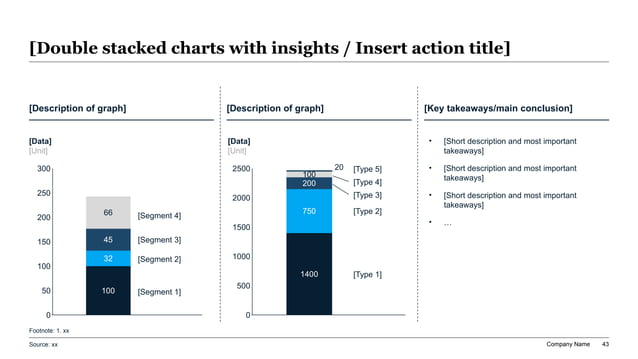
Exhibit 1: Channel Go-To-Market Mix & Partner Revenue Contribution Architecture
Channel Partner Archetypes: Comparative Economics, Margin Profiles & GTM Alignment
Economics of the Channel Margin Stack: Decomposing Gross Spread to Net Realized Vendor Margin
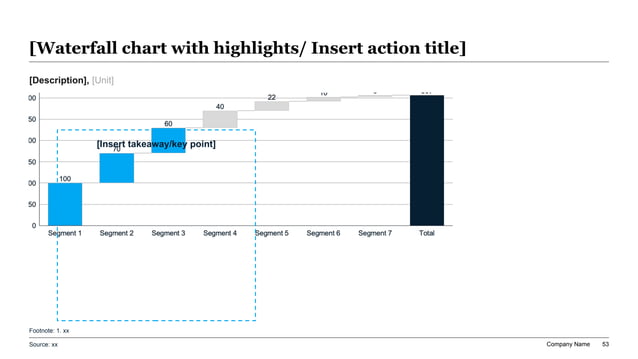
Exhibit 2: Channel Margin Stack & Economic Waterfall Bridge
Partner Program Tiering Architecture: Aligning Financial Incentives with Certified Technical Capability
The Institutional Partner Tiering Matrix: Qualification Criteria, Economic Incentives & Governance
The 10-Point Pre-Board Channel Strategy Governance Checklist
Deal Registration & Rules of Engagement: Eliminating Toxic Direct-Indirect Channel Conflict
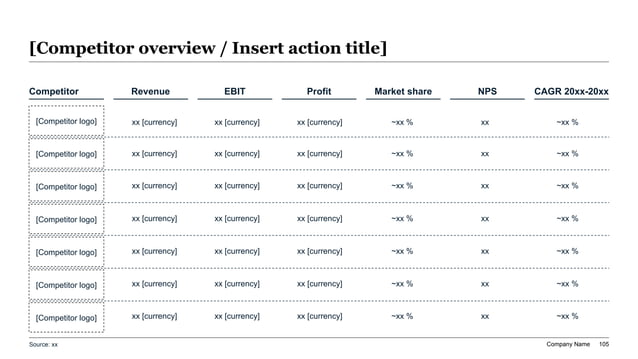
Exhibit 3: Multi-Tier Partner Program Architecture & Performance Scorecard
Contractual Protection and Conflict Governance: Neutralizing Rep Incentive Friction
Deal Registration & Rules of Engagement: Conflict Taxonomy & Enforcement Standards
Organizational Architecture: Structuring the Channel Leadership & Dedicated Operations Desk
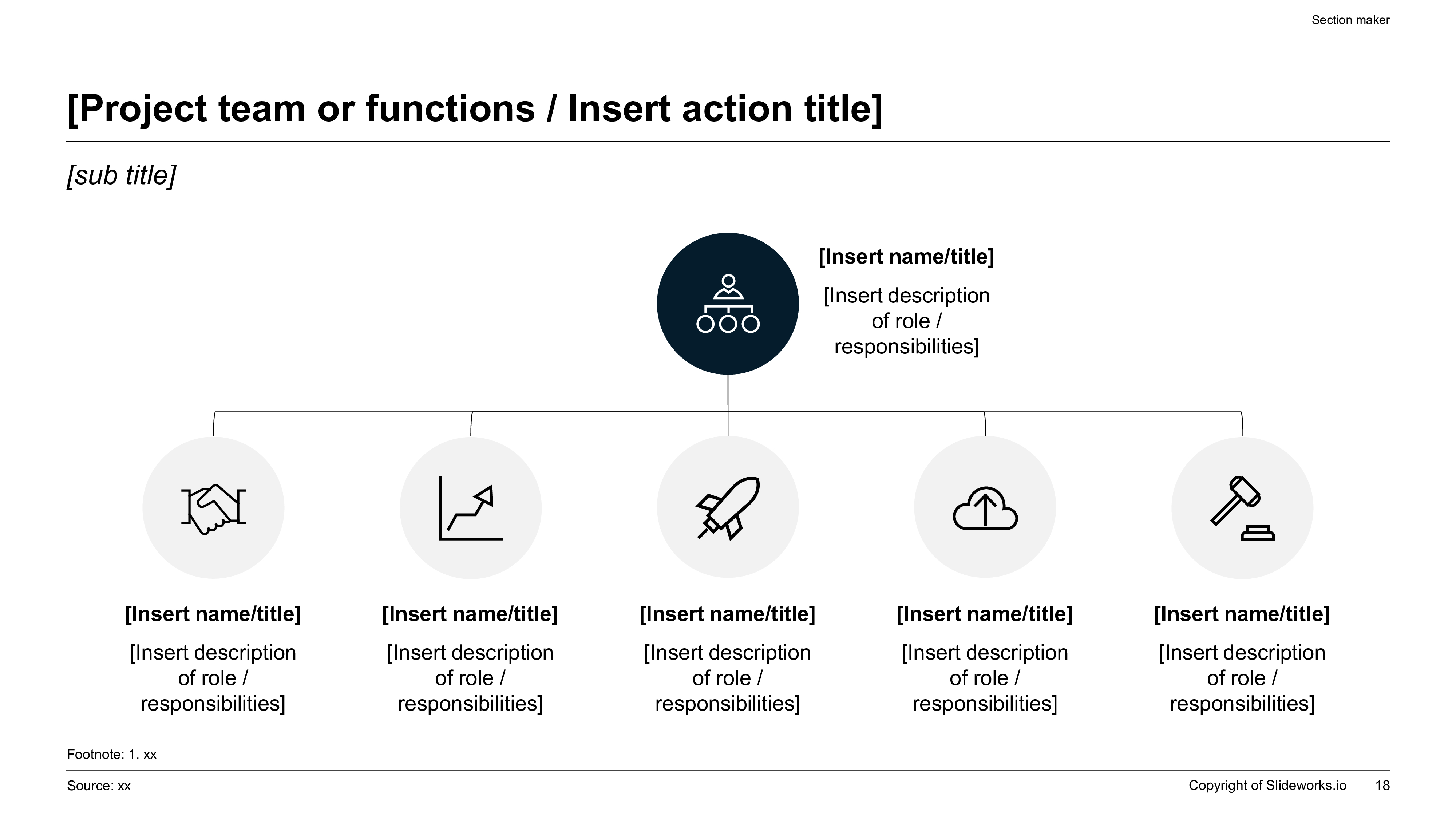
Exhibit 4: Channel Organization & Partner Ecosystem Governance Architecture
The Channel Partner Joint Business Planning (JBP) & Quarterly Review Audit
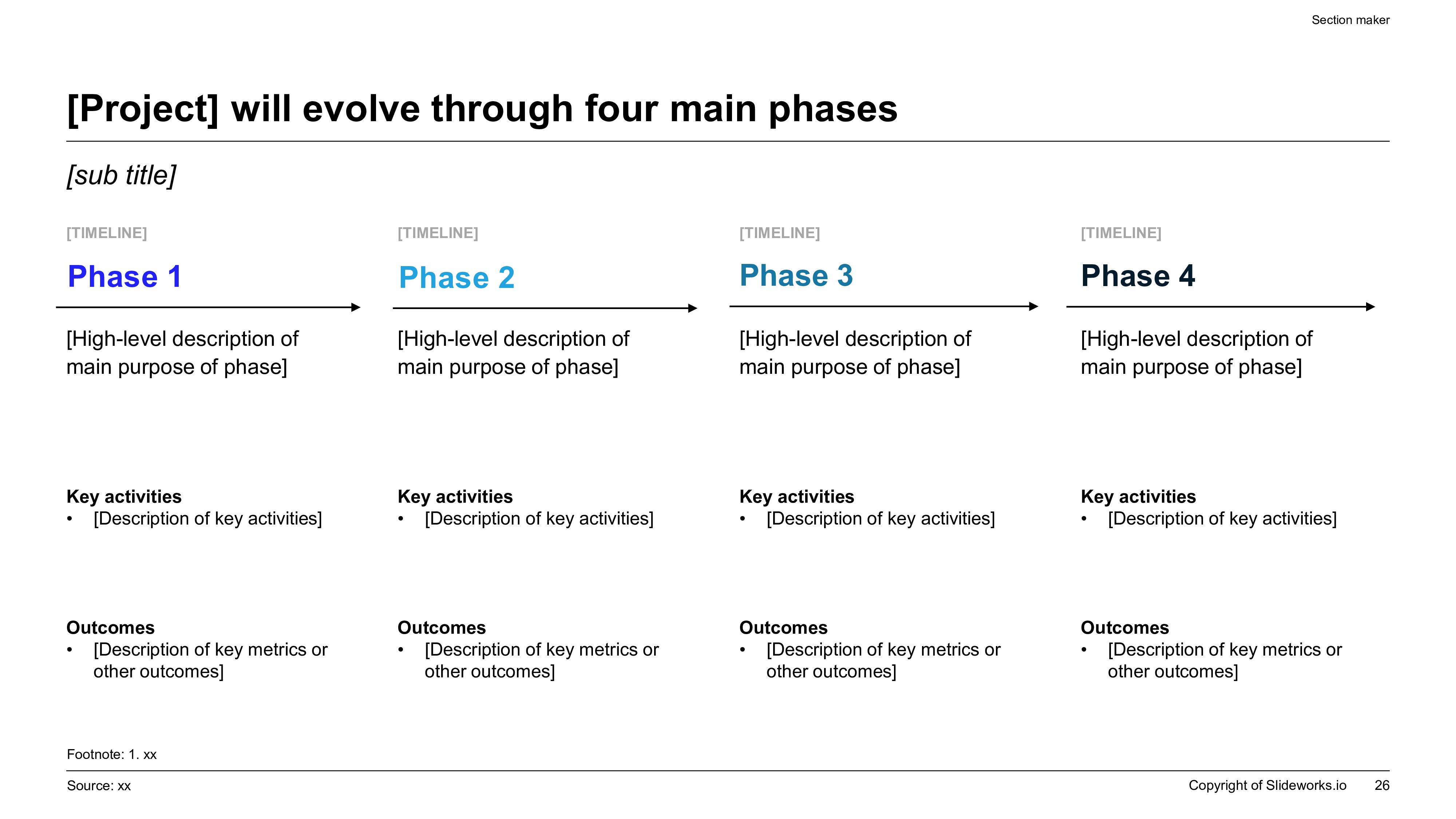
Execution Phasing: The 18-Month Channel Transformation & Recruitment Flight Roadmap
Exhibit 5: 4-Phase Channel Transformation & Partner Enablement Flight Roadmap
Structuring the Boardroom Deck: The 8-Slide Executive Channel Strategy Narrative Architecture
XLSlides System Prompt Recipe: Generating Board-Ready Channel Partner Strategy & GTM Decks
Frequently Asked Questions About Channel Partner Strategy Presentations
How do you convince an executive board to invest in an indirect channel strategy when direct sales have higher apparent gross margins?
By reframing the conversation from gross margin to net operating profit and Return on Invested Capital (ROIC). While direct sales exhibit an apparent 80%+ gross margin, direct enterprise sales pods (Account Executive, Pre-Sales Engineer, SDR, sales management, travel, and marketing CAC) frequently drive direct selling costs above 50% to 60% of first-year contract value in mid-market territories. An indirect channel model replaces high fixed SG&A payroll with performance-contingent discounts, extends working capital through distributor credit lines, and unlocks existing partner customer relationships, reducing blended enterprise CAC by 30% to 45% while delivering a predictable 28.5% net operating margin.
What is the single biggest mistake companies make when calculating channel partner margins?
Granting unearned, flat front-end discounts on invoices without performance gating. When companies offer a flat 30% discount, partners treat it as a pricing entitlement, frequently passing the discount directly to customers in price wars rather than investing in technical pre-sales capability. Institutional channel models decompose margins into a 14% baseline front-end margin, a 6% back-end growth rebate paid quarterly in arrears upon hitting volume quotas, and a 4% proposal-based MDF accrual released only upon verified marketing proof of performance.
How do you prevent toxic channel conflict between internal direct sales reps and external channel partners?
By enforcing complete Direct Sales Compensation Neutrality combined with a strict Deal Registration policy. Internal direct sales reps must receive 100% quota credit and full commission rates regardless of whether an approved deal is signed direct or fulfilled through a certified channel partner. When direct reps are financially indifferent to paper origin, they actively seek out skilled partners to accelerate enterprise sales cycles, eliminate customer friction, and expand contract sizes.
What is the industry benchmark for Deal Registration protection duration and margin differentials?
In enterprise technology and B2B software, the gold standard is a 90-day exclusive registration window with a minimum 15-percentage-point margin differential. The approved partner receives a 20% to 25% discount, while any non-registered partner or unapproved bid is capped at a 10% standard discount. Extensions of 30 days are granted only upon verified customer momentum milestones (such as an active Proof of Concept, executive sponsor meeting, or formal RFP issuance).
How should Market Development Funds (MDF) be budgeted, allocated, and audited to prevent partner misuse?
MDF should be budgeted as a variable programmatic accrual (typically 2% to 4% of net channel revenue) and managed on a strict proposal-and-reimbursement basis—never distributed as unmonitored cash grants. Partners must submit a formal marketing plan detailing target accounts, expected MQL/SQL outputs, and budget line items. Reimbursement is executed only after the partner submits third-party invoices, attendee rosters, and proof of execution within 60 days of event completion. Unused MDF expires annually and reverts to vendor operating profit.
When should an enterprise transition from a direct-led model to a 2-tier wholesale distribution model?
A company should introduce 2-tier wholesale distribution when its active reseller network exceeds 40 to 50 regional partners, or when international expansion requires multi-currency billing, local inventory warehousing, and foreign trade credit financing. Wholesale distributors charge a 6% to 10% spread, but they eliminate the massive corporate overhead of underwriting credit, managing thousands of small accounts receivable invoices, and handling regional physical/digital logistics.
How does XLSlides help commercial leaders build and present channel strategy decks to executive committees?
XLSlides provides pre-engineered, consulting-grade PowerPoint templates, waterfall margin bridge layouts, partner tiering scorecards, and AI-assisted presentation structuring built specifically for serious business presentations. Commercial executives can input raw GTM numbers, margin assumptions, and tiering criteria to generate editable, board-ready slide decks formatted with action titles, MECE logic trees, and institutional financial exhibits that satisfy discerning CFOs and Board Directors.