Stablecoin Issuance Compliance Presentation Template

Stop wasting hours on manual formatting. Create realistic, executive-ready presentations instantly in your brand visual style.

Reserve, redemption, disclosure, and issuer governance slides
AML, sanctions, custody, audit, and risk-control dashboard layouts
Supervision readiness, operating model, and phased launch roadmap visuals

1What a Stablecoin Compliance Deck Needs to Prove

A stablecoin issuance compliance presentation should prove that the issuer can operate a payment token with credible reserves, reliable redemption, transparent disclosures, compliant customer controls, and strong governance. Leaders need to understand the proposed issuer model, regulatory perimeter, reserve assets, custody arrangements, redemption process, audit evidence, technology controls, AML and sanctions program, and launch readiness. The deck should avoid promotional crypto language and focus on the controls required for a stable financial product. It should also clarify assumptions by jurisdiction and state where external legal advice or regulator confirmation is required. This gives stablecoin issuers, fintech leaders, legal teams, compliance officers, treasury teams, risk stakeholders, auditors, custody partners, board members, investors, and consultants enough evidence to assess reserve adequacy, redemption reliability, disclosure quality, supervision readiness, AML risk, operational resilience, and rollout sequencing. The narrative should also define issuer owners, reserve controls, redemption obligations, compliance evidence, and supervision checkpoints for each rollout wave.
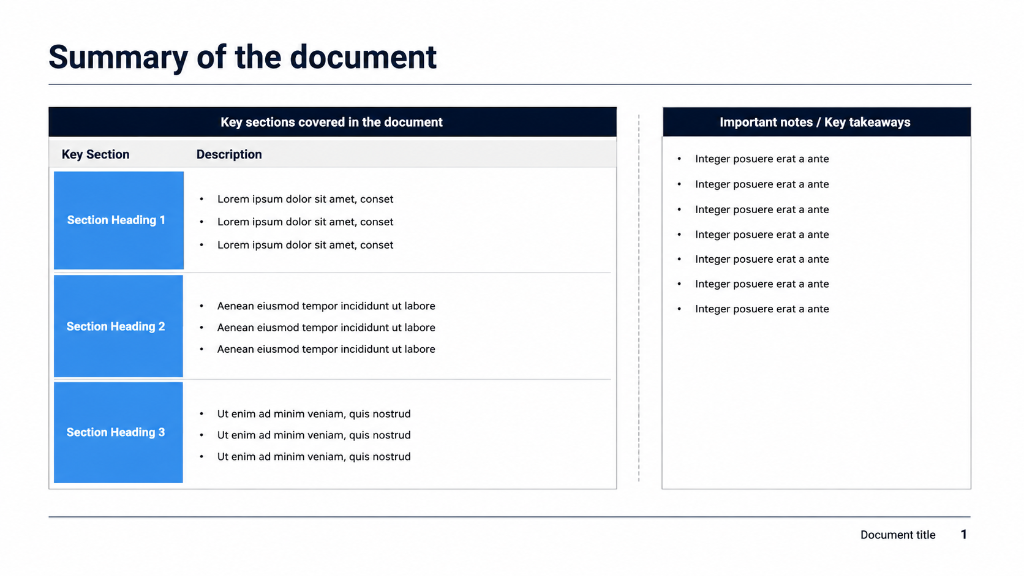
Stablecoin issuance compliance slide with split-panel document summary blocks, left-side requirement descriptions, and right-side regulatory takeaways.
Template Design LayoutStablecoin Issuance Compliance Presentation Template

2Who This Template Is Built For

This template is built for teams that need to present stablecoin issuance readiness in a disciplined compliance format. Typical users include stablecoin issuers, fintech executives, payment companies, banking innovation teams, digital asset product leaders, legal teams, compliance officers, treasury managers, risk leaders, custody teams, audit teams, and consultants supporting launch readiness. It is useful when the audience includes boards, regulators, investors, banking partners, auditors, or supervisory stakeholders who expect evidence rather than concept slides. These audiences usually want to know whether reserves are high quality, redemption rights are operationally enforceable, disclosures are clear, and financial crime controls are mature enough for launch. This gives stablecoin issuers, fintech leaders, legal teams, compliance officers, treasury teams, risk stakeholders, auditors, custody partners, board members, investors, and consultants enough evidence to assess reserve adequacy, redemption reliability, disclosure quality, supervision readiness, AML risk, operational resilience, and rollout sequencing. The narrative should also define issuer owners, reserve controls, redemption obligations, compliance evidence, and supervision checkpoints for each rollout wave.

3Issuer Model and Regulatory Perimeter

The issuer model section should explain who issues the stablecoin, which legal entity is responsible, what regulatory status is required, which markets are in scope, and which activities are performed by partners. It should distinguish issuance, reserve management, custody, distribution, wallet services, redemption, exchange listing, customer onboarding, and compliance operations. The deck should also identify whether bank, non-bank, state, federal, or international regimes may apply, depending on launch geography and product structure. Because stablecoin regulation is evolving, the presentation should use clear assumptions and identify open legal questions rather than overstate certainty. This gives stablecoin issuers, fintech leaders, legal teams, compliance officers, treasury teams, risk stakeholders, auditors, custody partners, board members, investors, and consultants enough evidence to assess reserve adequacy, redemption reliability, disclosure quality, supervision readiness, AML risk, operational resilience, and rollout sequencing. The narrative should also define issuer owners, reserve controls, redemption obligations, compliance evidence, and supervision checkpoints for each rollout wave.

4Reserve Policy and Asset Safeguarding

Reserve management is the core credibility question for a stablecoin issuer. The deck should show the target reserve composition, eligible assets, liquidity profile, concentration limits, custody model, segregation approach, reconciliation process, valuation cadence, and stress assumptions. It should explain how the issuer maintains backing against outstanding tokens and how exceptions are detected and escalated. Reserve policy pages should also address independent attestation, audit evidence, reporting, investment restrictions, counterparty exposure, and operational controls over reserve movement. The objective is to show that the stablecoin can meet redemption expectations even under stress, not simply that a reserve account exists. This gives stablecoin issuers, fintech leaders, legal teams, compliance officers, treasury teams, risk stakeholders, auditors, custody partners, board members, investors, and consultants enough evidence to assess reserve adequacy, redemption reliability, disclosure quality, supervision readiness, AML risk, operational resilience, and rollout sequencing. The narrative should also define issuer owners, reserve controls, redemption obligations, compliance evidence, and supervision checkpoints for each rollout wave.

5Redemption Rights and Customer Disclosures

The redemption section should show how holders can redeem stablecoins, what timeline applies, what fees or limits may apply, what happens during stress, and how customer rights are disclosed. It should explain operational flows from token burn or redemption request through customer verification, liquidity sourcing, fiat settlement, exception handling, and complaint resolution. Disclosure pages should cover issuer identity, reserve policy, risks, rights, obligations, fees, conflicts, technology dependencies, and material limitations. The deck should also define how public reporting is updated and who approves disclosures. Clear redemption and disclosure design is central to trust because users need to understand what the token represents and how exit works. This gives stablecoin issuers, fintech leaders, legal teams, compliance officers, treasury teams, risk stakeholders, auditors, custody partners, board members, investors, and consultants enough evidence to assess reserve adequacy, redemption reliability, disclosure quality, supervision readiness, AML risk, operational resilience, and rollout sequencing. The narrative should also define issuer owners, reserve controls, redemption obligations, compliance evidence, and supervision checkpoints for each rollout wave.

6AML, Sanctions, KYC, and Transaction Monitoring

Financial crime controls should be presented as a launch-critical operating capability. The deck should define customer onboarding, beneficial ownership checks, sanctions screening, wallet risk scoring, transaction monitoring, suspicious activity escalation, law enforcement response, travel rule considerations where applicable, and prohibited use cases. It should explain how controls work across direct customers, distributors, exchanges, custodians, merchants, and secondary-market activity. Monitoring pages should cover alert volumes, case management, escalation owners, tuning cadence, false positive management, and governance reporting. A credible stablecoin launch needs evidence that compliance can scale with transaction volume and partner complexity. This gives stablecoin issuers, fintech leaders, legal teams, compliance officers, treasury teams, risk stakeholders, auditors, custody partners, board members, investors, and consultants enough evidence to assess reserve adequacy, redemption reliability, disclosure quality, supervision readiness, AML risk, operational resilience, and rollout sequencing. The narrative should also define issuer owners, reserve controls, redemption obligations, compliance evidence, and supervision checkpoints for each rollout wave.

7Custody, Technology, and Operational Resilience

The technology and custody section should show how the issuer protects token issuance, reserve assets, private keys, smart contracts, wallets, APIs, and operational systems. It should cover key management, access control, change management, smart contract review, incident response, disaster recovery, cyber monitoring, vendor controls, business continuity, and segregation of duties. The deck should also describe mint and burn controls, reconciliation between token supply and reserves, system availability targets, and emergency procedures if a vulnerability or operational failure occurs. Stablecoin compliance is not only legal documentation; it depends on operational resilience across treasury, custody, technology, and customer support. This gives stablecoin issuers, fintech leaders, legal teams, compliance officers, treasury teams, risk stakeholders, auditors, custody partners, board members, investors, and consultants enough evidence to assess reserve adequacy, redemption reliability, disclosure quality, supervision readiness, AML risk, operational resilience, and rollout sequencing. The narrative should also define issuer owners, reserve controls, redemption obligations, compliance evidence, and supervision checkpoints for each rollout wave.

8Governance, Risk Management, and Audit Evidence

The governance section should define board oversight, executive accountability, compliance ownership, treasury controls, risk appetite, committee cadence, policies, exception handling, and evidence management. It should show how the issuer monitors reserve breaches, redemption delays, financial crime alerts, technology incidents, customer complaints, partner failures, and regulatory changes. Audit evidence pages can summarize policies, control testing, attestations, reconciliations, incident logs, risk assessments, vendor reviews, and management reporting. This structure helps leaders see whether compliance is embedded into daily operations or still dependent on ad hoc project work. This gives stablecoin issuers, fintech leaders, legal teams, compliance officers, treasury teams, risk stakeholders, auditors, custody partners, board members, investors, and consultants enough evidence to assess reserve adequacy, redemption reliability, disclosure quality, supervision readiness, AML risk, operational resilience, and rollout sequencing. The narrative should also define issuer owners, reserve controls, redemption obligations, compliance evidence, and supervision checkpoints for each rollout wave before market launch approval.

9KPI Dashboard and Readiness Scorecard

The KPI section should define the evidence leadership will review before launch and after issuance begins. Useful metrics include reserve coverage, reserve liquidity, reconciliation exceptions, redemption completion time, outstanding token supply, attestation timeliness, customer onboarding volume, sanctions-screening alerts, transaction-monitoring cases, suspicious activity escalations, smart contract incidents, system availability, complaint volume, partner exceptions, and policy breaches. A readiness scorecard should separate legal approvals, treasury operations, technology controls, compliance staffing, custody setup, disclosure readiness, audit evidence, and regulator engagement. The dashboard should make it easy to identify blockers that must be closed before public launch or market expansion. This gives stablecoin issuers, fintech leaders, legal teams, compliance officers, treasury teams, risk stakeholders, auditors, custody partners, board members, investors, and consultants enough evidence to assess reserve adequacy, redemption reliability, disclosure quality, supervision readiness, AML risk, operational resilience, and rollout sequencing. The narrative should also define issuer owners, reserve controls, redemption obligations, compliance evidence, and supervision checkpoints for each rollout wave.

10Launch Roadmap and XLSlides Workflow

The launch roadmap should sequence stablecoin issuance through legal scoping, issuer model design, reserve policy, custody setup, technology build, compliance program readiness, disclosure preparation, audit evidence, regulator engagement, controlled launch, and ongoing supervision. Early phases should close fundamental questions on issuer permissions, reserve eligibility, redemption obligations, AML controls, and operational resilience. Later phases can address partner expansion, exchange access, customer growth, and continuous control testing. XLSlides helps teams convert legal memos, treasury policies, compliance matrices, architecture notes, audit findings, risk registers, and launch milestones into a structured executive deck. The generated output gives teams a strong working draft that should be refined with jurisdiction-specific counsel, regulator feedback, named control owners, and current legal requirements. This gives stablecoin issuers, fintech leaders, legal teams, compliance officers, treasury teams, risk stakeholders, auditors, custody partners, board members, investors, and consultants enough evidence to assess reserve adequacy, redemption reliability, disclosure quality, supervision readiness, AML risk, operational resilience, and rollout sequencing. The narrative should also define issuer owners, reserve controls, redemption obligations, compliance evidence, and supervision checkpoints for each rollout wave.