Microgrid Energy Distribution Plan Presentation Template

Stop wasting hours on manual formatting. Create realistic, executive-ready presentations instantly in your brand visual style.

Localized load profile, DER mix, and resilience planning slides
Islanding, controls, storage, and grid-interconnection layouts
Ownership, funding, project economics, and implementation roadmap visuals

1What Is a Microgrid Energy Distribution Plan?

A microgrid energy distribution plan explains how a local energy system will supply power, manage distributed resources, and maintain service during grid disruptions. It should cover the load profile, critical facilities, energy resources, storage, backup generation, controls, islanding logic, interconnection requirements, ownership model, operating responsibilities, funding, and risk management. A strong deck avoids describing microgrids only as resilience technology. It shows how the system will perform in normal operation, during outages, and across future expansion scenarios. It should also explain what value the microgrid creates for reliability, emissions reduction, energy cost, peak management, and community or facility resilience. This discipline keeps the plan grounded in load reality, resilience requirements, grid constraints, resource economics, operating ownership, stakeholder trust, and the next approval gate before project scale-up. That additional evidence makes the page easier to defend in engineering, finance, stakeholder, utility, and executive reviews where resilience assumptions and delivery accountability are challenged before funding approval.
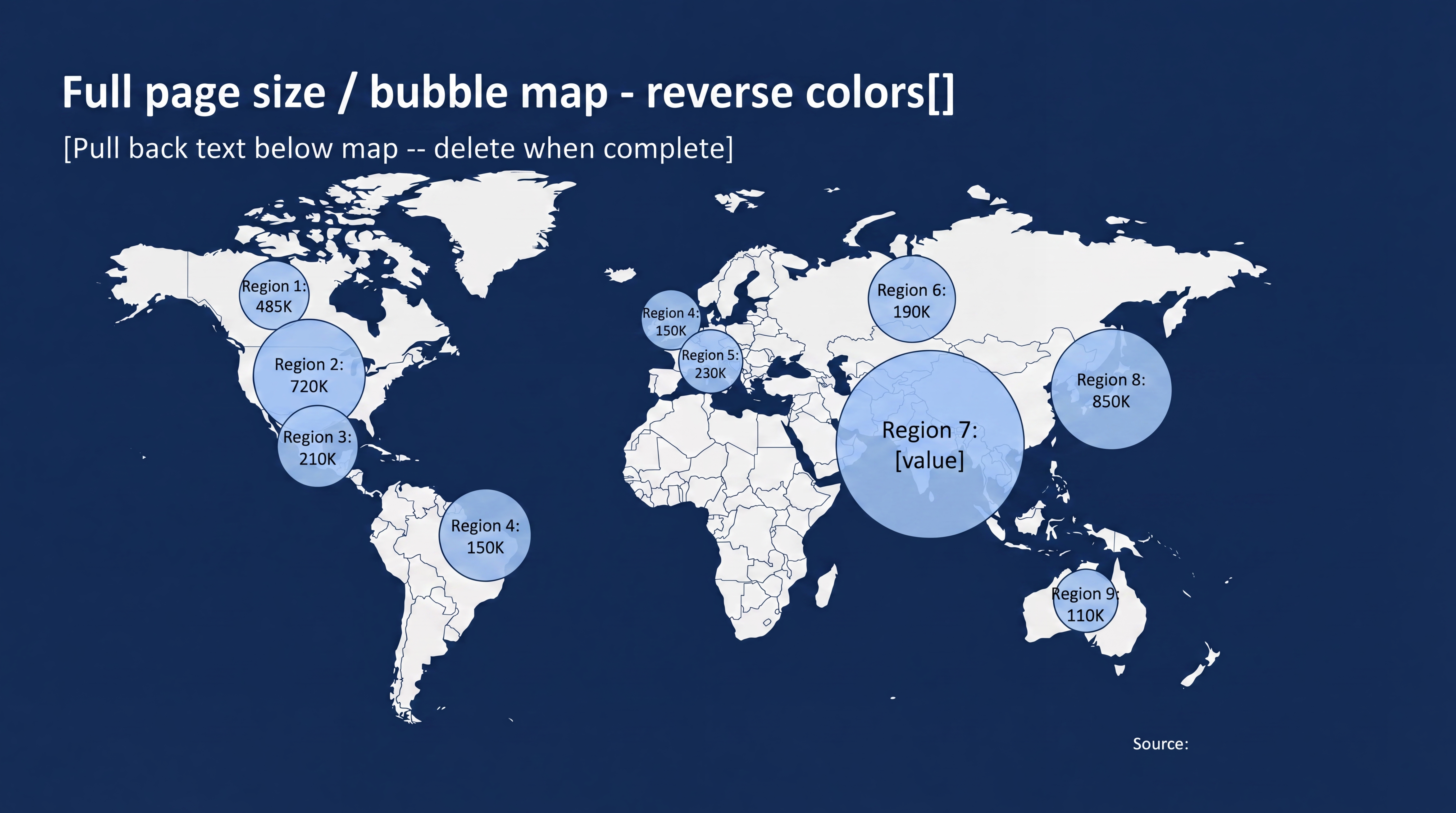
Microgrid energy distribution slide with dark global bubble map showing regional capacity and distributed energy deployment density.
Template Design LayoutMicrogrid Energy Distribution Plan Presentation Template

2When to Use This Microgrid Planning Template

Use this template when a campus, municipality, utility, hospital, military facility, industrial site, data center, remote community, or commercial district needs to evaluate a localized energy system. It is useful for resilience planning, disaster preparedness, decarbonization roadmaps, critical infrastructure upgrades, grant applications, utility partnership discussions, EPC proposals, and investment reviews. The deck is especially useful when stakeholders need to understand whether a microgrid is technically feasible, financially justified, and operationally maintainable. Facility teams can use it to map critical loads. Utilities can use it to coordinate interconnection and grid services. Developers can use it to present resource mix and economics. Community leaders can use it to explain resilience benefits. This discipline keeps the plan grounded in load reality, resilience requirements, grid constraints, resource economics, operating ownership, stakeholder trust, and the next approval gate before project scale-up. That additional evidence makes the page easier to defend in engineering, finance, stakeholder, utility, and executive reviews where resilience assumptions and delivery accountability are challenged before funding approval.

3Recommended Microgrid Deck Structure

A practical microgrid deck starts with the resilience and energy objective: what problem the system must solve and which loads matter most. Then show the site or community load profile, critical facilities, outage risk, current utility supply, power quality needs, and growth assumptions. Add a resource portfolio section covering solar, storage, backup generation, CHP, fuel cells, demand response, and controllable loads where relevant. Include controls and islanding pages that explain how the system switches between grid-connected and islanded operation. Follow with interconnection, permitting, ownership, financing, project economics, emissions impact, operating model, and risk management. Close with implementation phases, decision gates, KPIs, and stakeholder responsibilities. This discipline keeps the plan grounded in load reality, resilience requirements, grid constraints, resource economics, operating ownership, stakeholder trust, and the next approval gate before project scale-up. That additional evidence makes the page easier to defend in engineering, finance, stakeholder, utility, and executive reviews where resilience assumptions and delivery accountability are challenged before funding approval.

4Load Profile, Critical Loads, and Resilience Requirements

The load profile is the foundation of microgrid design. The deck should identify total load, peak load, critical load, seasonal variation, daily patterns, power quality requirements, backup duration needs, and future demand growth. Critical loads may include hospitals, emergency services, water systems, data centers, shelters, labs, manufacturing processes, refrigeration, communications, or mission-critical campus facilities. Not every load needs to be served during an outage, so the plan should separate essential, priority, and deferrable demand. Resilience requirements should define how long the microgrid must operate independently, what service level is required, and which outage scenarios are in scope. A clear load slide prevents oversizing and helps stakeholders understand cost-performance tradeoffs. This discipline keeps the plan grounded in load reality, resilience requirements, grid constraints, resource economics, operating ownership, stakeholder trust, and the next approval gate before project scale-up. That additional evidence makes the page easier to defend in engineering, finance, stakeholder, utility, and executive reviews where resilience assumptions and delivery accountability are challenged before funding approval.

5DER Mix, Storage, Backup Generation, and Controls

A microgrid plan should explain the distributed energy resource mix and why it fits the use case. Resources may include solar PV, battery storage, generators, combined heat and power, fuel cells, wind, demand response, building automation, and controllable loads. Battery storage can support peak shaving, renewable smoothing, backup, and fast response, but its duration must match resilience needs. Backup generation may provide longer-duration reliability, but fuel, emissions, maintenance, and permitting must be addressed. Controls are critical because the microgrid must coordinate resources safely in both grid-connected and islanded modes. The deck should show how the controller manages dispatch, load shedding, protection, restoration, and optimization. This discipline keeps the plan grounded in load reality, resilience requirements, grid constraints, resource economics, operating ownership, stakeholder trust, and the next approval gate before project scale-up. That additional evidence makes the page easier to defend in engineering, finance, stakeholder, utility, and executive reviews where resilience assumptions and delivery accountability are challenged before funding approval.

6Interconnection, Islanding, and Grid Coordination

Interconnection can be one of the largest sources of microgrid complexity. The deck should explain the point of interconnection, utility requirements, protection systems, relay coordination, metering, export limits, power quality standards, and operational agreements. Islanding capability should be described clearly: when the system disconnects, what loads remain energized, how frequency and voltage are controlled, and how reconnection happens. Grid coordination matters because microgrids can support resilience while also providing value to the broader system through demand management, capacity support, or grid services. The plan should also identify permitting, studies, and utility approvals required before construction. These pages help stakeholders understand why microgrid timelines depend on both local design and utility coordination. This discipline keeps the plan grounded in load reality, resilience requirements, grid constraints, resource economics, operating ownership, stakeholder trust, and the next approval gate before project scale-up. That additional evidence makes the page easier to defend in engineering, finance, stakeholder, utility, and executive reviews where resilience assumptions and delivery accountability are challenged before funding approval.

7Ownership Model, Funding, and Project Economics

A microgrid proposal should make the ownership and financial model explicit. Options may include direct ownership, third-party ownership, energy-as-a-service, utility ownership, public-private partnership, power purchase agreement, lease, grant-funded model, or hybrid structure. Costs include engineering, equipment, EPC, interconnection, controls, operations, maintenance, fuel, insurance, cybersecurity, and replacement reserves. Benefits may include avoided outage cost, demand charge reduction, energy savings, resilience value, emissions reductions, grid services, and incentive capture. The deck should show sensitivity analysis for energy prices, outage assumptions, fuel cost, battery degradation, utilization, financing terms, and incentive eligibility. This makes the project reviewable for finance teams and decision-makers. This discipline keeps the plan grounded in load reality, resilience requirements, grid constraints, resource economics, operating ownership, stakeholder trust, and the next approval gate before project scale-up. That additional evidence makes the page easier to defend in engineering, finance, stakeholder, utility, and executive reviews where resilience assumptions and delivery accountability are challenged before funding approval.

8Operating Model, Maintenance, and Governance

A microgrid must be operated and maintained after construction, so the deck should define responsibilities clearly. Operating roles may include facility operations, utility coordination, control room monitoring, asset management, cybersecurity, safety, maintenance, vendor support, fuel logistics, emergency response, and performance reporting. Governance should define who makes dispatch decisions, who approves changes, who manages incidents, and how stakeholders review performance. Maintenance planning should include preventive maintenance, battery health monitoring, generator testing, software updates, spare parts, inspections, and emergency drills. If a third party operates the microgrid, service-level agreements and accountability should be clear. These pages help prevent a project from being approved as a capital asset without an operating plan. This discipline keeps the plan grounded in load reality, resilience requirements, grid constraints, resource economics, operating ownership, stakeholder trust, and the next approval gate before project scale-up. That additional evidence makes the page easier to defend in engineering, finance, stakeholder, utility, and executive reviews where resilience assumptions and delivery accountability are challenged before funding approval.

9Implementation Roadmap, Risks, and KPIs

The implementation roadmap should sequence feasibility, load analysis, resource design, utility engagement, financial modeling, stakeholder approval, procurement, interconnection studies, permitting, construction, commissioning, testing, training, and operations. Risks may include cost escalation, interconnection delays, permitting issues, fuel constraints, battery degradation, technology integration, cybersecurity, community acceptance, and underdefined operating responsibilities. KPIs should include resilience hours, critical load served, outage performance, energy cost savings, peak reduction, emissions impact, renewable share, availability, maintenance compliance, safety incidents, and budget variance. Decision gates should specify what evidence is required before moving from feasibility to design, design to financing, and financing to construction. This discipline keeps the plan grounded in load reality, resilience requirements, grid constraints, resource economics, operating ownership, stakeholder trust, and the next approval gate before project scale-up. That additional evidence makes the page easier to defend in engineering, finance, stakeholder, utility, and executive reviews where resilience assumptions and delivery accountability are challenged before funding approval.

10How XLSlides Speeds Up Microgrid Planning

XLSlides helps teams convert technical studies, utility conversations, resilience goals, financial assumptions, and stakeholder notes into a structured microgrid deck faster. Microgrid planning often involves many inputs from facilities, utilities, finance, sustainability, engineering, emergency management, vendors, and community stakeholders. The AI workflow organizes those inputs into a clear sequence: objectives, load profile, DER mix, islanding, interconnection, economics, ownership, operating model, risks, roadmap, and KPIs. The output is not a substitute for engineering or interconnection studies, but it gives teams a strong working draft for executive and partner conversations. Users can refine assumptions, add local load data, and update project economics as studies mature. This discipline keeps the plan grounded in load reality, resilience requirements, grid constraints, resource economics, operating ownership, stakeholder trust, and the next approval gate before project scale-up. That additional evidence makes the page easier to defend in engineering, finance, stakeholder, utility, and executive reviews where resilience assumptions and delivery accountability are challenged before funding approval.