Alternative Protein Scaling Plan Presentation Template

Stop wasting hours on manual formatting. Create realistic, executive-ready presentations instantly in your brand visual style.

Production scale, process design, and capacity expansion slides
Cost reduction, quality, yield, supply chain, and margin KPI dashboards
Market fit, regulatory, risk, partnership, and commercialization roadmap visuals

1What an Alternative Protein Scaling Plan Needs to Prove

An alternative protein scaling plan should prove that the product can move from promising prototype to repeatable commercial supply with acceptable cost, quality, and customer demand. Leaders need to understand the production process, capacity bottlenecks, yield assumptions, ingredient supply, manufacturing partners, quality controls, regulatory needs, and cost reduction path. The deck should connect scale-up milestones to commercial outcomes such as margin, price parity, product consistency, offtake, and channel readiness. It should also identify which evidence has been proven at bench, pilot, demo, or commercial scale. This gives FoodTech founders, operators, investors, R&D teams, process engineers, manufacturers, supply chain leaders, quality teams, strategic food companies, PMOs, and consultants enough evidence to assess process readiness, cost trajectory, production risk, market fit, quality reliability, capital needs, and commercialization sequencing. The narrative should also define scale owners, process gates, cost targets, quality evidence, and customer milestones for each rollout wave before scale-up funding approval decisions and commercial launch gates.
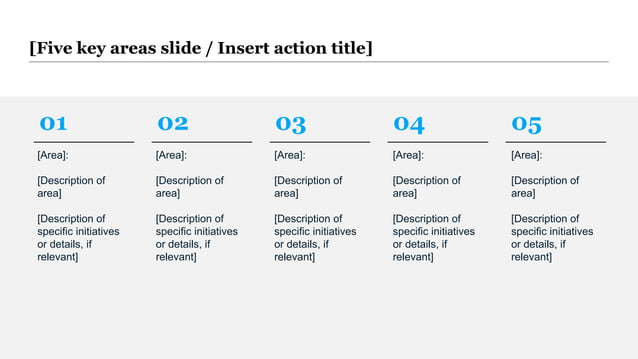
Alternative protein scaling plan slide with five strategic key area columns for production capacity, cost reduction, quality, supply chain, and commercialization.
Template Design LayoutAlternative Protein Scaling Plan Presentation Template

2Who This Template Is Built For

This template is built for teams that need to present alternative protein scale-up as an operating and investment plan. Typical users include plant-based protein companies, fermentation startups, cultivated meat teams, hybrid product developers, ingredient platforms, food manufacturers, investors, corporate venture groups, process engineering teams, quality leaders, regulatory teams, and consultants. It is useful when stakeholders must approve funding, select a manufacturing pathway, compare co-manufacturing versus owned capacity, secure customer commitments, or prepare a board update. The audience usually needs a clear view of production, cost, quality, market fit, and execution risk. This gives FoodTech founders, operators, investors, R&D teams, process engineers, manufacturers, supply chain leaders, quality teams, strategic food companies, PMOs, and consultants enough evidence to assess process readiness, cost trajectory, production risk, market fit, quality reliability, capital needs, and commercialization sequencing. The narrative should also define scale owners, process gates, cost targets, quality evidence, and customer milestones for each rollout wave.

3Product Platform and Market Fit

The market fit section should explain what product is being scaled, why customers want it, and which segment should be prioritized first. It should cover product format, sensory performance, nutrition, price target, channel fit, customer need, competitor alternatives, and buyer requirements. The deck should distinguish early premium applications from broader mass-market opportunities because cost and capacity requirements differ. It should also show where the product has been validated through sensory trials, customer pilots, foodservice tests, retail feedback, or ingredient partner work. Scaling without market fit can lock a company into the wrong process or specification. This gives FoodTech founders, operators, investors, R&D teams, process engineers, manufacturers, supply chain leaders, quality teams, strategic food companies, PMOs, and consultants enough evidence to assess process readiness, cost trajectory, production risk, market fit, quality reliability, capital needs, and commercialization sequencing. The narrative should also define scale owners, process gates, cost targets, quality evidence, and customer milestones for each rollout wave.

4Production Process and Capacity Baseline

The production section should define the current process and where bottlenecks sit. It may cover ingredient preparation, extrusion, fermentation, cell culture, downstream processing, texturization, blending, forming, packaging, cold chain, or contract manufacturing depending on the product type. The deck should show current batch size, yield, throughput, cycle time, equipment utilization, labor needs, scrap, downtime, and quality variation. A useful baseline separates scientific feasibility from manufacturing readiness. It should also identify whether the team is scaling a process, reformulating for manufacturability, or redesigning the supply chain. This gives FoodTech founders, operators, investors, R&D teams, process engineers, manufacturers, supply chain leaders, quality teams, strategic food companies, PMOs, and consultants enough evidence to assess process readiness, cost trajectory, production risk, market fit, quality reliability, capital needs, and commercialization sequencing. The narrative should also define scale owners, process gates, cost targets, quality evidence, and customer milestones for each rollout wave before scale-up funding approval decisions and commercial launch gates.

5Cost Reduction and Unit Economics Logic Tree

The economics section should decompose the path to attractive margins. Useful cost drivers include raw materials, media or feedstock, energy, labor, yield, batch success rate, equipment utilization, depreciation, packaging, logistics, quality testing, waste, and overhead. A logic tree can separate revenue drivers from cost drivers and show which levers matter most. The deck should present current cost, target cost, expected timing, and confidence by lever. It should also compare owned manufacturing, co-manufacturing, licensing, and hybrid capacity models where relevant. This gives FoodTech founders, operators, investors, R&D teams, process engineers, manufacturers, supply chain leaders, quality teams, strategic food companies, PMOs, and consultants enough evidence to assess process readiness, cost trajectory, production risk, market fit, quality reliability, capital needs, and commercialization sequencing. The narrative should also define scale owners, process gates, cost targets, quality evidence, and customer milestones for each rollout wave before scale-up funding approval decisions and commercial launch gates clearly.

6Supply Chain, Ingredients, and Manufacturing Partners

The supply chain section should show whether scale-up inputs are available, affordable, and reliable. It should cover key ingredients, specialized inputs, feedstocks, media components, packaging, equipment vendors, co-manufacturers, logistics, cold chain, and quality certifications. The deck should identify single-source risks, lead times, price volatility, food safety requirements, and supplier qualification status. For emerging technologies, supplier readiness can be as important as internal process performance. The presentation should also explain where strategic partnerships, volume contracts, or vertical integration may be needed. This gives FoodTech founders, operators, investors, R&D teams, process engineers, manufacturers, supply chain leaders, quality teams, strategic food companies, PMOs, and consultants enough evidence to assess process readiness, cost trajectory, production risk, market fit, quality reliability, capital needs, and commercialization sequencing. The narrative should also define scale owners, process gates, cost targets, quality evidence, and customer milestones for each rollout wave before scale-up funding approval decisions and commercial launch gates.

7Quality, Food Safety, and Regulatory Readiness

Quality and regulatory pages should explain how the product will meet food safety, labeling, and customer specification requirements at scale. The deck should cover hazard analysis, quality attributes, shelf life, sensory consistency, allergen controls, microbial testing, traceability, batch release, regulatory approvals, claims substantiation, and customer audits. It should identify which requirements vary by market or channel and which evidence is still missing. Scaling can create quality drift, so the plan should show how controls evolve from pilot batches to commercial production. This gives FoodTech founders, operators, investors, R&D teams, process engineers, manufacturers, supply chain leaders, quality teams, strategic food companies, PMOs, and consultants enough evidence to assess process readiness, cost trajectory, production risk, market fit, quality reliability, capital needs, and commercialization sequencing. The narrative should also define scale owners, process gates, cost targets, quality evidence, and customer milestones for each rollout wave before scale-up funding approval decisions and commercial launch gates.

8Sustainability, Claims, and Customer Proof

Sustainability pages should show where the alternative protein creates measurable advantage and how that evidence will be used commercially. The deck can cover greenhouse gas emissions, land use, water use, animal welfare, waste, energy mix, ingredient sourcing, packaging, and lifecycle assumptions. It should also show whether claims are verified, estimated, or pending further analysis. Customer proof pages should connect sustainability to buyer requirements, procurement scorecards, consumer messaging, and channel differentiation. A credible scale-up plan avoids treating sustainability as separate from operations because production choices directly affect impact. This gives FoodTech founders, operators, investors, R&D teams, process engineers, manufacturers, supply chain leaders, quality teams, strategic food companies, PMOs, and consultants enough evidence to assess process readiness, cost trajectory, production risk, market fit, quality reliability, capital needs, and commercialization sequencing. The narrative should also define scale owners, process gates, cost targets, quality evidence, and customer milestones for each rollout wave before scale-up funding approval decisions and commercial launch gates.

9KPI Dashboard and Scale Readiness

The KPI section should show whether the business is ready to scale. Useful metrics include production volume, yield, batch success rate, cost per kilogram, gross margin, sensory scores, customer pilot status, offtake commitments, equipment utilization, quality deviations, regulatory milestones, supplier qualification, capex committed, and launch readiness. The dashboard should separate technical readiness, commercial readiness, manufacturing readiness, and capital readiness so stakeholders can see which constraint matters most. It should also define decision gates for pilot, demo, first commercial line, and broader capacity expansion. This gives FoodTech founders, operators, investors, R&D teams, process engineers, manufacturers, supply chain leaders, quality teams, strategic food companies, PMOs, and consultants enough evidence to assess process readiness, cost trajectory, production risk, market fit, quality reliability, capital needs, and commercialization sequencing. The narrative should also define scale owners, process gates, cost targets, quality evidence, and customer milestones for each rollout wave before scale-up funding approval decisions and commercial launch gates.

10Commercialization Roadmap and XLSlides Workflow

The roadmap should sequence alternative protein scaling through market fit validation, process baseline, cost-driver analysis, supplier qualification, pilot production, quality system buildout, customer trials, manufacturing partner selection, capex decision, first commercial run, launch, and capacity expansion. Early waves should prove product quality, customer interest, and controllable costs. Later waves can focus on price parity, channel expansion, automation, and new product formats. XLSlides helps teams convert technical data, production assumptions, customer pilots, cost models, supplier plans, regulatory notes, and scale milestones into a structured scaling deck. The generated output gives teams a strong working draft that can be refined with process data, customer commitments, manufacturing quotes, and financial model assumptions. This gives FoodTech founders, operators, investors, R&D teams, process engineers, manufacturers, supply chain leaders, quality teams, strategic food companies, PMOs, and consultants enough evidence to assess process readiness, cost trajectory, production risk, market fit, quality reliability, capital needs, and commercialization sequencing. The narrative should also define scale owners, process gates, cost targets, quality evidence, and customer milestones for each rollout wave.