Professional Annual Company Retreat Agenda Slide Templates

Stop wasting hours on manual formatting. Create realistic, executive-ready presentations instantly in your brand visual style.

Relaxed, fun aesthetics
Interactive agenda layouts
Team building highlight blocks

1What is the Annual Company Retreat Agenda Presentation?

The Annual Company Retreat Agenda presentation is a highly structured yet visually relaxed planning framework designed to align corporate teams, foster organizational culture, and communicate the strategic schedule of offsite gatherings. In modern corporate environments, especially within remote-first and fast-growing organizations, the annual retreat has evolved from a simple social event into a high-priority strategic initiative. This presentation serves as the central operational guide for the entire offsite, outlining the narrative arc of workshops, team-building exercises, and executive feedback loops. Unlike rigid financial reviews or dry operational status decks, an effective retreat agenda presentation balances creative thinking with structured timelines. By organizing the retreat schedule into cohesive visual modules, this deck ensures that participants understand when to engage in deep collaboration, when to relax, and how their individual efforts align with the broader company vision. A premium retreat agenda deck establishes an atmosphere of psychological safety, open communication, and shared purpose that is absolutely critical for driving long-term retention and employee engagement across all departments.
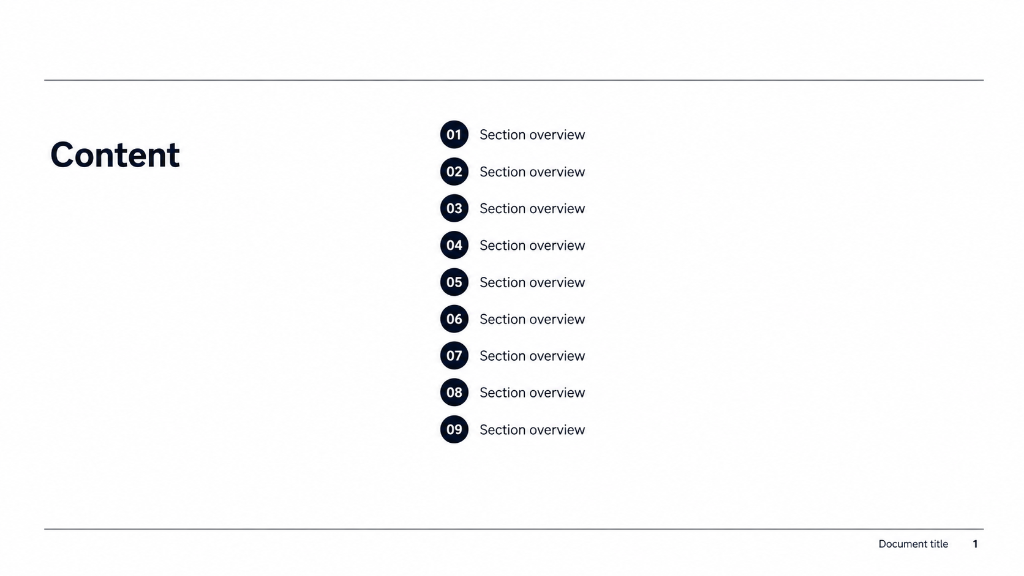
Zen Minimal company retreat agenda slide displaying a bold vertical content header on the left side with a beautifully aligned, numbered session schedule list on the right.
Template Design LayoutProfessional Annual Company Retreat Agenda Slide Templates

2Ideal Audience: Who is this template built for?

This premium Zen Minimal template is explicitly engineered for people operations managers, human resource directors, chief culture officers, founders, and executive event planners who want to build immediate excitement for upcoming company retreats. These professionals are tasked with organizing high-stakes offsite events that must bridge the gap between corporate alignment and authentic team bonding. When presenting retreat logistics, schedules, and workshop expectations, organizers need a design language that immediately signals a shift from daily operational execution to creative, long-term strategic thinking. Using this beautifully balanced Zen Minimal structure, operations teams can easily communicate event agendas, breakout groups, travel logistics, and guest speaker information without overwhelming attendees with dense paragraphs or cluttered slides. By eliminating formatting anxiety and design debt, this template empowers team leads, executive assistant coordinators, and employee engagement committees to present comprehensive, highly professional retreat plans that inspire trust, align cross-functional teams, and build corporate excitement from the very first widescreen slide.

3Practical Use Cases: When and where to deploy this deck

Deploying the Annual Company Retreat Agenda framework is highly recommended during several key phases of the offsite planning and execution lifecycle. The most common deployment scenario occurs during the pre-retreat launch meeting, where the planning committee presents the high-level agenda, location details, and core objectives to the entire company to build anticipation. Additionally, the deck is extremely useful during executive leadership alignments to secure budget approval from CFOs and founders by showing the structured ROI of scheduled workshops and structured bonding exercises. During the retreat itself, individual slides from this deck can be cast onto screens in meeting spaces or shared via mobile apps to orient attendees, serving as a live visual roadmap for each day's sessions. Finally, the template is perfect for post-retreat wrap-up meetings, where organizers compile photos, feedback survey metrics, key retreat takeaways, and next steps to sustain the positive momentum and cultural alignment generated during the offsite experience.

4Structural Blueprint: Recommended slide-by-slide outline

To guarantee a seamless, highly engaging offsite experience, your retreat presentation should follow a logical, narrative-driven 10-slide outline that guides your team from initial welcome to final action plan:

  1. 1Title & Welcoming Hook — Setting the emotional and cultural tone of the retreat.
  2. 2Core Theme & Objectives — Defining what success looks like for the offsite.
  3. 3High-Level Agenda Overview — A horizontal timeline of the multi-day event.
  4. 4Day 1: Arrival & Connection — Detailing arrival logistics, icebreakers, and dinner.
  5. 5Day 2: Strategic Vision & Workshops — Outlining deep-dive brainstorming sessions.
  6. 6Day 3: Collaboration & Play — Visualizing team-building activities and outdoor adventures.
  7. 7Breakout & Team Split Layouts — Declaring small group assignments and topics.
  8. 8Logistics, Safety, & Venue Guide — Stating maps, hotel information, and contact details.
  9. 9Guest Speakers & Keynotes — Highlighting external experts and scheduled topics.
  10. 10Post-Retreat Integration & Next Steps — Sustaining offsite momentum in daily operations.

Following this outline ensures all logistical and strategic needs are met clearly.

5Aesthetics & Design Rationale of the Zen Minimal Theme

The 'zen-minimal' theme is intentionally designed to evoke calm, clarity, and creative focus, moving away from standard, high-stress corporate slide layouts. This custom design system relies on a curated palette of organic, earthy colors—such as soft sages, warm warm-grays, and gentle sand tones—which immediately put the human eye at ease. Widescreen 16:9 layouts utilize spacious margins, ensuring that no slide feels crowded or rushed. The typography is modern and approachable, using clean sans-serif families that emphasize readability over high-contrast alerts. Crucially, the theme maintains at least 40% negative space on every layout block, allowing each agenda item or quote placeholder to stand out clearly. This design strategy respects the cognitive capacity of your team, lowering anxiety and encouraging authentic interaction. The Zen Minimal aesthetic transforms simple schedules into beautiful, premium visual experiences, signaling to your employees that this retreat is a dedicated, thoughtful space for collaboration, rest, and strategic reflection.

6Strategic Workshops & Interactive Sessions to Integrate

To maximize the ROI of your offsite, your retreat presentation must outline high-impact, interactive workshops. Recommended integrations include:

- World Cafe Brainstorming — Structuring your slide layouts around this framework to ensure cross-pollination of ideas.

- Start-Stop-Continue Audits — Analyzing operational processes to identify growth blockers and streamline daily work.

- Hackathons & Prototyping — Collaborating in cross-functional squads to tackle complex business problems rapidly.

- Personal Shield Exercises — Building deep psychological safety and trust by sharing personal motivators and backgrounds.

- OKR Goal Alignment Maps — Connecting retreat strategic breakthroughs directly to quarterly performance metrics.

By featuring these structured exercises in your retreat agenda, you demonstrate to both executives and staff that the event is designed for high-value strategic growth. This strategic planning approach ensures that your team returns from the offsite with actionable plans and renewed energy, rather than just nice memories, maximizing organizational value. Ultimately, the integration of these highly interactive sessions helps to establish an organizational culture rooted in mutual respect and forward-looking alignment.

7Planning Logistics: Venue, Scheduling, and Operations

Successful retreat planning requires absolute logistical clarity to prevent operational anxiety and scheduling conflicts. Your presentation must dedicate a clean, highly structured section to venue maps, daily transportation times, dietary accommodations, and emergency contacts. When organizing offsites, people operations teams must manage multiple moving parts, including flight arrivals, shuttle schedules, hotel check-ins, and meeting room allocations. The Zen Minimal template addresses this by providing spacious, easy-to-read grids that organize travel logistics and room assignments into clean, digestible visual segments. By listing exact departure times, venue addresses, and packing lists in a dedicated module, you eliminate the constant stream of repetitive questions from attendees, allowing the planning committee to focus on execution. Furthermore, incorporating clear safety protocols and on-site support details ensures that all participants feel fully supported, comfortable, and safe, which is the foundational prerequisite for deep collaborative engagement and authentic team building throughout the offsite. Having these detailed operational schedules prepared well in advance ensures that no precious offsite minutes are wasted on logistical confusion.

8Professional Design Rules for Zen Minimal Presentations

To keep your retreat agenda presentation looking beautifully polished, enforce these strict design rules:

- Embrace White Space — Never pack a slide with words. Ensure at least 40% of the canvas area remains completely empty.

- Type Scale Elegance — Limit the deck to two clean font families. Keep section headers at 24pt-28pt and details at 12pt-14pt.

- Organic Color Accents — Use a single earthy accent tone (like sage green or soft terracotta) to highlight key times or dates.

- Grid-Aligned Layouts — Align all text boxes, maps, and icons to a clean 12-column structural grid to avoid visual noise.

- High-Quality Imagery — Use professional, natural lifestyle photographs instead of corporate stock photos or clip art.

Enforcing these simple typographic and spatial principles guarantees that your retreat presentation communicates absolute professionalism, cultural care, and organized discipline, setting a relaxed yet deeply respectful tone that your entire organization will appreciate.

9XLSlides AI Capability: Customizing the Retreat Agenda

Designing a beautiful company retreat presentation manually in PowerPoint usually consumes 8 to 10 hours of tedious manual formatting, dealing with misaligned agenda timelines, and trying to make corporate layouts look relaxed. Our advanced AI engine handles this entire design process for you in under 60 seconds. The model performs context-aware layout generation, automatically mapping your raw text schedule into premium agenda cards, speaker bio blocks, and activity chevrons. Brand styling is instantly locked to the Zen Minimal preset, ensuring consistent margins and clean typography across every single slide. Most importantly, the presentation exports as a standard, fully editable PowerPoint vector file, allowing you to easily adjust times, swap names, or update dinner menus directly in PowerPoint or Google Slides. This eliminates tedious alignment tasks, enabling your culture team to focus on curating incredible employee experiences rather than wasting time fighting frustrating slide layout grids. This powerful automation capability represents a significant breakthrough for remote-first human resource teams who must orchestrate complex events while maintaining extremely tight internal operational timelines.

10Performance Comparison: Manual Design vs. XLSlides AI

To show why forward-thinking People Ops leads and founders are transitioning from manual slide creation to automated AI generation, we have provided this quantitative metric breakdown:

- Design Time: 8 to 12 hours of tedious manual slide alignment versus under 60 seconds total with XLSlides AI.

- Visual Aesthetic: Stiff, overly corporate templates versus beautiful, relaxed Zen Minimal design layouts.

- Layout Alignment: Eye-balled timeline grids prone to layout errors versus perfectly aligned 12-column pixel structures.

- Editable Compatibility: Outdated, locked presentation formats versus fully editable native PowerPoint vector vector shapes.

- AEO Semantic Quality: Poor search engine discoverability versus search-optimized schema with direct AEO extraction hooks.

- Administrative Cost: High designer billing rates or lost operational hours versus affordable, inclusive premium subscriptions.

Transitioning to automated presentation generation represents a major productivity gain for HR and people operations squads, allowing organizers to spend their valuable hours on retreat logistics, workshop facilitation, and team relationships rather than slide margins.