Sales Compensation and Incentives Deck Template

Stop wasting hours on manual formatting. Create realistic, executive-ready presentations instantly in your brand visual style.

Quota attainment visuals
Commission structure dashboards
Incentive alignment roadmaps

1What Is a Sales Compensation and Incentives Deck?

A sales compensation and incentives deck is the executive presentation used to explain how sellers are paid, how quota expectations are set, and how incentives connect to business strategy. The deck normally covers target earnings, base versus variable pay mix, quota methodology, commission rates, accelerator logic, bonus criteria, clawback rules, and performance governance. A high-quality deck does more than describe plan mechanics. It shows why the plan exists, which seller behaviors it rewards, how payout risk is controlled, and whether the structure is fair across territories, roles, and segments. This template is useful when leadership is redesigning sales compensation for a new fiscal year, launching a strategic product, changing territories, moving upmarket, or correcting overpayment and underperformance patterns. It helps revenue teams convert complex compensation policy into a visual narrative that executives can review without reading every spreadsheet tab. The goal is to make incentive decisions transparent, testable, and aligned with growth priorities.
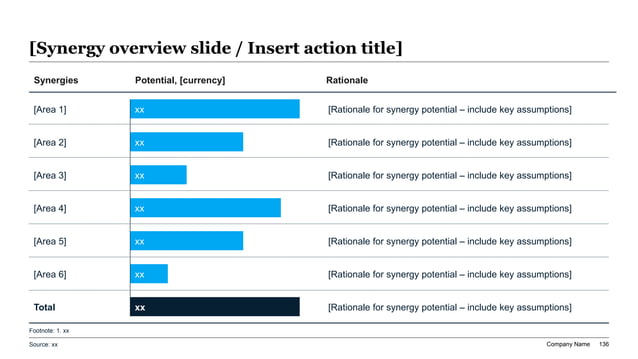
Sales compensation incentives slide with horizontal bars comparing payout potential, quota logic, and rationale by incentive category
Template Design LayoutSales Compensation and Incentives Deck Template

2When to Use This Sales Incentive Presentation

Use this presentation when a sales compensation decision needs cross-functional agreement from revenue, finance, HR, legal, and executive leadership. Common triggers include annual compensation planning, quota reset discussions, sales organization redesign, new product incentives, channel compensation changes, territory realignment, or a board request to understand sales productivity. It is also useful after leadership sees warning signs such as high payout without bookings growth, low attainment concentration, inconsistent quota coverage, discounting behavior, weak strategic product adoption, or seller confusion about plan rules. The deck gives teams a common language for diagnosing whether the current plan rewards the right activities and whether the proposed plan is affordable. Instead of debating isolated commission rates, stakeholders can review the full system: role design, quota logic, payout curve, exceptions, ramp treatment, governance, and communications. That broader view reduces implementation risk because it exposes hidden tradeoffs before the new plan reaches the field. It also clarifies which decisions are truly unresolved.

3Recommended Slide Structure for Compensation Planning

A strong sales compensation deck usually follows a ten-slide sequence that moves from recommendation to mechanics and execution. Start with an executive recommendation that states what should change and why. Then show current plan performance, including quota attainment distribution, payout levels, bookings quality, and seller feedback. Next, explain the strategic design principles, such as growth focus, margin discipline, new logo acquisition, retention, or expansion. The middle section should show role segmentation, quota methodology, pay mix, commission rates, accelerator tiers, and special incentives. After that, include scenario modeling so leadership can see expected payout cost under low, base, and high attainment cases. Close with governance, implementation timeline, communication plan, and decisions required. This sequence works because it avoids jumping straight into rates before leadership understands the problem. It also gives finance and HR enough detail to assess fairness, affordability, compliance, and field readiness without losing the strategic thread. That order makes executive approval faster.

4Quota Design and Attainment Storyline

Quota design is usually the most sensitive part of a sales compensation presentation because it determines both motivation and perceived fairness. Your deck should explain the quota-setting methodology clearly: historical run rate, territory potential, account coverage, pipeline baseline, ramp assumptions, seasonality, product mix, and market growth. A useful slide compares quota attainment distribution across roles or regions, showing how many sellers reached threshold, target, and excellence levels. If too few sellers hit target, the plan may be demotivating or the quota model may be unrealistic. If too many sellers exceed target, the plan may create budget risk or weak performance differentiation. The deck should also identify territory imbalance, account reassignment effects, and ramp exceptions for new hires. Leadership needs to see whether quota changes are tied to market opportunity rather than arbitrary percentage lifts. When quota logic is transparent, sellers are more likely to trust the plan and managers are better equipped to defend it.

5Commission Structure and Payout Curve Design

Commission mechanics should be presented visually so executives can understand how earnings change as sellers move from threshold to target to overperformance. A good compensation slide shows the payout curve, commission rate bands, accelerator thresholds, decelerators, caps, minimum performance gates, and any strategic multipliers. The important question is not whether the rate looks attractive in isolation. The question is whether the curve motivates the right behavior at the right performance level. For example, aggressive accelerators may help retain top sellers, but they can also create excessive payout exposure if quotas are too low. Strategic product multipliers can shift attention toward priority offers, but they may reduce focus on core revenue if the balance is wrong. The deck should show sample seller earnings under realistic scenarios so leadership can see how plan mechanics affect behavior. Finance stakeholders also need total payout modeling, not just individual examples, because affordability depends on aggregate attainment distribution.

6Aligning Incentives With Revenue Strategy

The strongest sales compensation decks connect incentive design directly to business strategy. If the company wants profitable growth, the plan should reward high-margin products, discount discipline, multi-year contracts, or customer quality. If the goal is new logo acquisition, the plan may emphasize first-year bookings, account creation, and prospecting activity while avoiding incentives that overpay for low-retention deals. If the priority is expansion, the plan should clarify how account managers are rewarded for renewals, upsell, cross-sell, and customer health. A weak deck describes incentives as a generic motivation tool. A decision-ready deck shows which behaviors the company wants more of, which behaviors it wants to reduce, and how compensation mechanics create those signals. This is especially important when multiple goals compete, such as revenue growth, margin protection, pipeline generation, and retention. Leadership should be able to trace every major payout element back to a strategic outcome, not tradition or field pressure.

7KPIs to Include in a Sales Compensation Dashboard

A compensation deck becomes credible when it includes a compact KPI dashboard that links plan mechanics to measurable outcomes. Core metrics include quota attainment, percentage of sellers above threshold, percentage at or above target, average payout as a percentage of target incentive, total incentive cost, bookings per seller, sales productivity, win rate, average discount, gross margin, sales cycle length, pipeline generation, renewal rate, and strategic product mix. Finance teams may also want payout-to-revenue ratio, compensation cost of sales, overpayment exposure, and scenario sensitivity by attainment band. HR teams may focus on pay equity, role competitiveness, retention risk, and ramp fairness. Sales leaders need manager-level views that show whether incentives are changing behavior in the field. Keep the dashboard focused on decisions rather than metric volume. Each KPI should answer a question about affordability, motivation, fairness, or strategic alignment. When metrics are grouped this way, the compensation review becomes an operating discussion rather than a spreadsheet walkthrough.

8Governance, Exceptions, and Compliance Controls

Compensation plans fail when exception handling is vague. A complete deck should define who approves quota changes, commission exceptions, dispute resolutions, manual adjustments, clawbacks, split credits, deal desk overrides, and special incentive payments. It should also explain how the company will handle new hire ramp, leaves of absence, territory changes, account transfers, manager discretion, and midyear plan updates. Legal and HR partners need confidence that the plan is documented, consistently applied, and aligned with employment rules in each market. Finance needs confidence that payout calculations can be audited and tied to recognized revenue or bookings definitions. Sales managers need clear rules so they can answer field questions without improvising. The presentation should include a governance model with decision rights, approval thresholds, escalation paths, and review cadence. This section is not administrative filler. It protects trust in the incentive system and prevents the plan from becoming a set of negotiated exceptions.

9How to Present Payout Scenarios to Executives

Executives usually approve compensation changes only when they can see the financial exposure under multiple scenarios. Your deck should include a payout sensitivity page that models low, base, and high performance cases across seller roles. For each case, show expected bookings, quota attainment distribution, total incentive payout, payout as a percentage of revenue, and variance versus budget. If accelerators or strategic multipliers are material, show their separate cost impact. This helps leadership distinguish between an affordable motivational plan and a plan that creates unexpected cost at high attainment. Scenario slides should also show individual seller examples, because aggregate tables can hide confusing or unfair outcomes. A simple waterfall or bar chart can explain how base commission, accelerator, bonus, and special incentive components combine into total payout. The objective is to make the financial logic easy to audit before launch. When scenarios are visible, leadership can tune thresholds and caps with much less political friction.

10Communication and Field Rollout Plan

Even a well-designed compensation plan can fail if sellers do not understand it. The rollout section should define the communication sequence, manager enablement, seller FAQ, calculator availability, approval timeline, and feedback loop. Start with leadership alignment, then train frontline managers before announcing the plan broadly. Managers should understand not only the rules, but also the rationale behind each change so they can handle seller questions with consistency. A useful deck includes the launch calendar, owner names, training assets, system update milestones, and post-launch monitoring cadence. It should also identify likely objections, such as quota fairness, territory changes, capped earnings, or strategic product weighting. The rollout plan must be specific enough for HR, sales operations, and finance to execute together. If sellers receive unclear or conflicting answers, plan credibility falls quickly. A clear communication slide protects adoption and helps the company move from executive approval to field behavior change. It also reduces manager escalation volume.

11Prompt Recipe for Better Compensation Deck Outputs

XLSlides works best when the prompt includes the business model, seller roles, quota logic, compensation mechanics, and decision audience. A strong prompt is: `Create an executive sales compensation and incentives deck for a B2B SaaS company. Audience: CRO, CFO, CHRO, VP Sales, and sales operations. Include current quota attainment distribution, pay mix by role, commission rate bands, accelerator thresholds, strategic product incentives, payout scenario modeling, governance rules, exception handling, field rollout plan, and decisions required for annual plan approval.` Add company-specific details such as segment definitions, sales roles, ARR targets, margin priorities, renewal responsibilities, channel participation, and ramp assumptions. Ask for action-title slide headlines and compact KPI dashboards so the output is ready for leadership review. If the plan includes spiffs, caps, clawbacks, or split credit rules, name them directly. Specific instructions help the generated deck reflect the real operating model rather than a generic sales motivation presentation. Include sample roles for clearer outputs.

12How XLSlides Speeds Up Sales Compensation Reviews

Sales compensation reviews are slow because the work crosses revenue strategy, finance modeling, HR policy, seller motivation, and field communications. Teams often have the data, but the story is scattered across spreadsheets, plan documents, manager feedback, and budget scenarios. XLSlides helps convert that raw material into a structured first draft with clear sections for quota design, commission mechanics, payout exposure, incentive alignment, governance, and rollout. Revenue operations can use the draft to frame the logic, finance can refine the scenarios, HR can review fairness and policy language, and sales leadership can tighten the field narrative. This does not replace human judgment, because compensation design always requires tradeoffs. It removes formatting drag and gives stakeholders a common visual structure for debate. The result is faster executive alignment, fewer ambiguous plan rules, and a more consistent explanation for managers and sellers when the plan goes live. Teams can reuse the same format each planning cycle.