Legal Case Strategy and Timeline Presentation Template

Stop wasting hours on manual formatting. Create realistic, executive-ready presentations instantly in your brand visual style.

Case theory, claims map, evidence timeline, and issue-priority layouts
Witness plan, motion strategy, risk assessment, and settlement option slides
Litigation roadmap, decision gates, responsibilities, and next-action sections

1What Is a Legal Case Strategy Deck?

A legal case strategy deck organizes the core litigation story, procedural posture, factual record, claims, evidence, witnesses, risk issues, and recommended next steps in a format that lawyers and clients can review together. It should not replace legal analysis, but it can make complex case information easier to discuss. The deck should clarify the case theory, the key facts that support or weaken it, the evidence still needed, the major deadlines, the likely opponent arguments, and the decision points facing the team. A strong presentation helps everyone understand what is known, what remains uncertain, and how the strategy will evolve. This gives litigation partners, associates, in-house counsel, legal operations teams, clients, experts, and case managers enough evidence to assess case posture, evidentiary strength, witness readiness, procedural risk, settlement leverage, budget exposure, decision timing, and responsibility ownership. It keeps the discussion grounded in facts, deadlines, legal judgment, client objectives, and documented next actions.
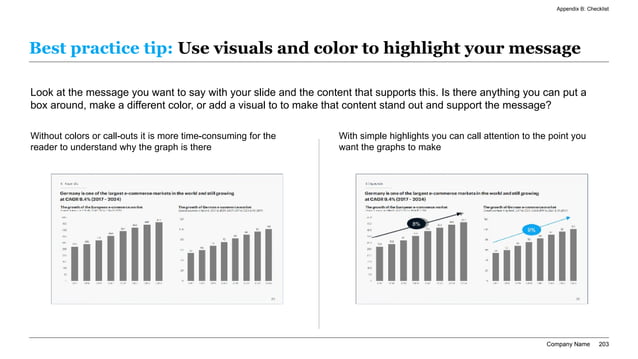
Legal case strategy slide with highlighted chart evidence, blue callout circles, and arrows showing key litigation insights.
Template Design LayoutLegal Case Strategy and Timeline Presentation Template

2When to Use This Legal Case Strategy Template

Use this template when a team needs to prepare an internal strategy session, client case update, matter review, trial-readiness discussion, settlement evaluation, mediation preparation, board risk briefing, or litigation budget review. It works for commercial disputes, employment matters, regulatory proceedings, IP disputes, contract claims, insurance coverage issues, investigations, or high-stakes arbitration. The presentation is most useful when case information is spread across pleadings, discovery materials, witness notes, email summaries, timelines, and legal memos. Instead of forcing decision makers to absorb raw documents, the deck creates a structured narrative. This gives litigation partners, associates, in-house counsel, legal operations teams, clients, experts, and case managers enough evidence to assess case posture, evidentiary strength, witness readiness, procedural risk, settlement leverage, budget exposure, decision timing, and responsibility ownership. It keeps the discussion grounded in facts, deadlines, legal judgment, client objectives, and documented next actions. The narrative should also identify evidence owners, privilege boundaries, approval gates, unresolved assumptions, and follow-up tasks for each strategic decision.

3Recommended Legal Case Strategy Deck Structure

A practical legal strategy deck usually starts with the executive case posture, client objective, current procedural status, and recommended decision. It then moves into case theory, claims and defenses, key facts, evidence map, chronology, witness assessment, discovery gaps, motion strategy, settlement posture, risk analysis, budget implications, and next milestones. The deck should distinguish facts, legal analysis, assumptions, and open questions so the team does not confuse confidence with proof. Each slide should have a clear decision purpose, such as confirming strategy, approving spend, preparing a witness, or choosing a negotiation position. This gives litigation partners, associates, in-house counsel, legal operations teams, clients, experts, and case managers enough evidence to assess case posture, evidentiary strength, witness readiness, procedural risk, settlement leverage, budget exposure, decision timing, and responsibility ownership. It keeps the discussion grounded in facts, deadlines, legal judgment, client objectives, and documented next actions. The narrative should also identify evidence owners, privilege boundaries, approval gates, unresolved assumptions, and follow-up tasks for each strategic decision.

4Case Theory, Claims, and Defense Themes

The case theory section should state the core story in plain language, then connect that story to claims, defenses, burdens, and disputed issues. A useful slide may show the elements of each claim, the facts currently supporting those elements, the evidence still needed, and the likely opponent response. Themes should be specific enough to guide discovery, witness preparation, briefing, negotiation, and trial visuals. The deck should also identify which facts are helpful, harmful, contested, or missing. A strong strategy presentation makes it easy to see where the case is strong and where additional work is required. This gives litigation partners, associates, in-house counsel, legal operations teams, clients, experts, and case managers enough evidence to assess case posture, evidentiary strength, witness readiness, procedural risk, settlement leverage, budget exposure, decision timing, and responsibility ownership. It keeps the discussion grounded in facts, deadlines, legal judgment, client objectives, and documented next actions. The narrative should also identify evidence owners, privilege boundaries, approval gates, unresolved assumptions, and follow-up tasks for each strategic decision.

5Evidence Timeline, Chronology, and Fact Gaps

The evidence timeline should organize events, documents, communications, decisions, and procedural milestones in a way that supports case analysis. It should show what happened, when it happened, who was involved, which source supports it, and whether the fact is admitted, disputed, inferred, or unproven. Chronology slides are valuable because they reveal gaps, inconsistencies, and causation questions that may be hidden in a memo. The deck should highlight priority evidence requests, custodian issues, missing documents, discovery disputes, and facts that need expert or witness support. This gives litigation partners, associates, in-house counsel, legal operations teams, clients, experts, and case managers enough evidence to assess case posture, evidentiary strength, witness readiness, procedural risk, settlement leverage, budget exposure, decision timing, and responsibility ownership. It keeps the discussion grounded in facts, deadlines, legal judgment, client objectives, and documented next actions. The narrative should also identify evidence owners, privilege boundaries, approval gates, unresolved assumptions, and follow-up tasks for each strategic decision.

6Witness Plan, Expert Strategy, and Preparation Needs

The witness section should identify key witnesses, expected testimony, credibility considerations, document links, preparation needs, deposition status, and potential vulnerabilities. For expert-driven matters, the deck should also show expert scope, assumptions, data needs, report deadlines, opposing expert risks, and Daubert or admissibility considerations where relevant. A strong slide separates fact witnesses from experts, internal stakeholders, third parties, and adverse witnesses. It should also show how testimony supports or weakens each case theme. Witness planning is not only a logistics exercise; it shapes discovery, settlement leverage, and trial readiness. This gives litigation partners, associates, in-house counsel, legal operations teams, clients, experts, and case managers enough evidence to assess case posture, evidentiary strength, witness readiness, procedural risk, settlement leverage, budget exposure, decision timing, and responsibility ownership. It keeps the discussion grounded in facts, deadlines, legal judgment, client objectives, and documented next actions. The narrative should also identify evidence owners, privilege boundaries, approval gates, unresolved assumptions, and follow-up tasks for each strategic decision.

7Motion Strategy, Procedural Milestones, and Deadlines

The procedural section should make the litigation path visible. Useful slides may include pleading status, discovery deadlines, motion opportunities, hearing dates, expert deadlines, mediation windows, trial date, appellate considerations, and court-ordered milestones. The deck should explain how each milestone affects leverage, cost, evidence development, or settlement posture. Motion strategy should connect legal arguments to the factual record and procedural timing. Teams should be able to see which filings are offensive, defensive, dispositive, tactical, or required for preservation. This gives litigation partners, associates, in-house counsel, legal operations teams, clients, experts, and case managers enough evidence to assess case posture, evidentiary strength, witness readiness, procedural risk, settlement leverage, budget exposure, decision timing, and responsibility ownership. It keeps the discussion grounded in facts, deadlines, legal judgment, client objectives, and documented next actions. The narrative should also identify evidence owners, privilege boundaries, approval gates, unresolved assumptions, and critical follow-up tasks for each strategic decision.

8Risk Assessment, Settlement Posture, and Client Decisions

The risk section should frame legal, evidentiary, procedural, business, reputational, and financial exposure. It may include probability-weighted scenarios, damages ranges, fee exposure, injunction risk, precedent concerns, public relations considerations, operational disruption, and settlement options. The deck should distinguish litigation risk from client appetite and business constraints. Settlement posture should explain leverage points, negotiation anchors, timing considerations, information gaps, and decision thresholds. A strong presentation gives clients enough clarity to choose between continued litigation, targeted motions, mediation, settlement exploration, or additional discovery. This gives litigation partners, associates, in-house counsel, legal operations teams, clients, experts, and case managers enough evidence to assess case posture, evidentiary strength, witness readiness, procedural risk, settlement leverage, budget exposure, decision timing, and responsibility ownership. It keeps the discussion grounded in facts, deadlines, legal judgment, client objectives, and documented next actions. The narrative should also identify evidence owners, privilege boundaries, approval gates, unresolved assumptions, and follow-up tasks for each strategic decision.

9Litigation Roadmap, Budget, and Responsibility Matrix

The roadmap should translate case strategy into workstreams, owners, milestones, budget checkpoints, and decision gates. It should cover discovery, document review, witness preparation, expert work, motion practice, negotiation, mediation, trial preparation, and client approvals. Legal teams benefit from showing who owns each action, when it is due, what evidence is needed, and what decision depends on completion. Budget slides should connect spend to case objectives so clients understand why each workstream matters. A responsibility matrix also reduces coordination risk across firms, in-house teams, vendors, and experts. This gives litigation partners, associates, in-house counsel, legal operations teams, clients, experts, and case managers enough evidence to assess case posture, evidentiary strength, witness readiness, procedural risk, settlement leverage, budget exposure, decision timing, and responsibility ownership. It keeps the discussion grounded in facts, deadlines, legal judgment, client objectives, and documented next actions. The narrative should also identify evidence owners, privilege boundaries, approval gates, unresolved assumptions, and follow-up tasks for each strategic decision.

10How XLSlides Speeds Up Legal Case Strategy Planning

XLSlides helps legal teams convert case notes, chronology drafts, pleadings summaries, discovery trackers, witness lists, risk memos, budget inputs, and milestone calendars into a structured case strategy presentation. The AI workflow can organize the story into case posture, claims and defenses, evidence timeline, witness plan, procedural roadmap, motion strategy, risk assessment, settlement options, budget, owners, and next actions. This is useful when lawyers have strong analysis but need a clearer visual format for client or partner discussion. The generated output is not legal advice and must be reviewed by qualified counsel, but it gives teams a strong working draft. This gives litigation partners, associates, in-house counsel, legal operations teams, clients, experts, and case managers enough evidence to assess case posture, evidentiary strength, witness readiness, procedural risk, settlement leverage, budget exposure, decision timing, and responsibility ownership. It keeps the discussion grounded in facts, deadlines, legal judgment, client objectives, and documented next actions.