ESG Supply Chain Transparency Presentation Template

Stop wasting hours on manual formatting. Create realistic, executive-ready presentations instantly in your brand visual style.

Supplier mapping, traceability, and ESG risk heatmap slides
Scope 3 emissions, audit, grievance, and compliance KPI dashboards
Governance, supplier engagement, remediation, and rollout roadmap visuals

1What an ESG Supply Chain Transparency Deck Needs to Prove

An ESG supply chain transparency presentation should prove that the organization understands its supplier footprint, knows where material environmental and social risks sit, and has a credible plan to collect evidence, disclose progress, and remediate issues. Leadership needs to see more than sustainability intent. The deck should explain supplier tiers, product categories, geographies, emissions exposure, labor risk, audit coverage, data gaps, regulatory requirements, and governance responsibilities. It should also show how transparency will improve decisions in procurement, supplier development, reporting, and risk management. This gives sustainability leaders, procurement teams, supply chain executives, legal stakeholders, compliance teams, audit leaders, investor relations, enterprise risk teams, operations leaders, PMOs, and consultants enough evidence to assess supplier visibility, data readiness, ESG exposure, remediation capacity, reporting quality, governance maturity, and rollout sequencing. The narrative should also define supplier owners, data controls, audit evidence, remediation gates, and disclosure checkpoints for each rollout wave and reporting cycle.
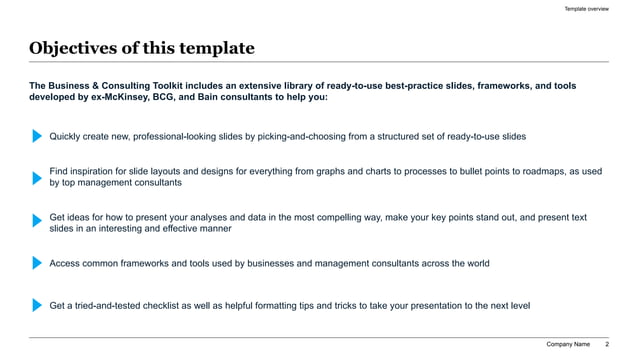
ESG supply chain transparency objectives slide with text-heavy bullet points and blue triangular icons for supplier risk and traceability planning.
Template Design LayoutESG Supply Chain Transparency Presentation Template

2Who This Template Is Built For

This template is built for teams that need to present supply chain transparency as an operational and governance program rather than a marketing claim. Typical users include chief sustainability officers, procurement leaders, ESG reporting teams, supplier risk managers, responsible sourcing teams, legal and compliance stakeholders, internal audit, investor relations, enterprise risk teams, and management consultants. It is especially useful for companies with complex supplier networks across consumer goods, retail, apparel, food, manufacturing, electronics, logistics, healthcare, and industrial sectors. These audiences usually need a deck that connects ESG disclosure requirements with supplier data, audit coverage, remediation ownership, and procurement decisions. This gives sustainability leaders, procurement teams, supply chain executives, legal stakeholders, compliance teams, audit leaders, investor relations, enterprise risk teams, operations leaders, PMOs, and consultants enough evidence to assess supplier visibility, data readiness, ESG exposure, remediation capacity, reporting quality, governance maturity, and rollout sequencing. The narrative should also define supplier owners, data controls, audit evidence, remediation gates, and disclosure checkpoints for each rollout wave.

3Supplier Mapping and Traceability Scope

The supplier mapping section should define what parts of the supply chain are in scope and how far transparency will extend. It should cover tier-one suppliers, subcontractors, raw material sources, logistics partners, packaging providers, high-risk geographies, and critical commodities. The deck should show which supplier attributes are known today, which are missing, and how the organization will improve traceability over time. A useful page can segment suppliers by spend, criticality, ESG risk, product category, geography, and data confidence. Transparency programs often fail when teams promise full visibility too quickly, so the roadmap should distinguish priority categories from longer-term coverage. This gives sustainability leaders, procurement teams, supply chain executives, legal stakeholders, compliance teams, audit leaders, investor relations, enterprise risk teams, operations leaders, PMOs, and consultants enough evidence to assess supplier visibility, data readiness, ESG exposure, remediation capacity, reporting quality, governance maturity, and rollout sequencing. The narrative should also define supplier owners, data controls, audit evidence, remediation gates, and disclosure checkpoints for each rollout wave.

4Carbon, Scope 3, and Environmental Data Readiness

Environmental transparency should connect supplier data to the emissions and resource impacts that matter most. The deck should explain how the organization will collect Scope 3 activity data, supplier emissions factors, product-level footprints, energy use, water use, waste, packaging, land-use exposure, and logistics impacts. It should distinguish primary supplier data from estimates and show confidence levels by category. Data readiness pages should identify missing supplier inputs, calculation methods, verification needs, and reporting timelines. The goal is not to make every number perfect immediately, but to show how measurement quality will improve and how procurement decisions will use the evidence. This gives sustainability leaders, procurement teams, supply chain executives, legal stakeholders, compliance teams, audit leaders, investor relations, enterprise risk teams, operations leaders, PMOs, and consultants enough evidence to assess supplier visibility, data readiness, ESG exposure, remediation capacity, reporting quality, governance maturity, and rollout sequencing. The narrative should also define supplier owners, data controls, audit evidence, remediation gates, and disclosure checkpoints for each rollout wave.

5Human Rights, Labor, and Ethical Sourcing Risk

Social risk sections should identify where human rights, labor, health and safety, forced labor, child labor, wage, working-hours, discrimination, grievance, and subcontracting risks may appear in the supplier network. The deck should show how risk is assessed by geography, sector, commodity, supplier history, audit findings, worker feedback, media signals, and external data. It should also explain how high-risk suppliers are reviewed, what standards apply, how corrective action plans are tracked, and when escalation or exit is required. Ethical sourcing slides need to be specific enough for legal and procurement teams to act, not just broad commitments. This gives sustainability leaders, procurement teams, supply chain executives, legal stakeholders, compliance teams, audit leaders, investor relations, enterprise risk teams, operations leaders, PMOs, and consultants enough evidence to assess supplier visibility, data readiness, ESG exposure, remediation capacity, reporting quality, governance maturity, and rollout sequencing. The narrative should also define supplier owners, data controls, audit evidence, remediation gates, and disclosure checkpoints for each rollout wave.

6Audit Model, Verification, and Evidence Management

The audit and verification section should define how ESG evidence will be gathered, tested, stored, and reviewed. It should cover supplier self-assessments, third-party audits, certification data, site visits, document reviews, chain-of-custody evidence, grievance channels, worker interviews, satellite or traceability tools, and data-quality checks. The deck should also explain audit frequency, risk-based sampling, escalation rules, corrective action ownership, and evidence retention. Verification pages should make clear which metrics are assured, which are management estimates, and which require further evidence before disclosure. A good evidence model reduces reporting risk and supports better supplier decisions. This gives sustainability leaders, procurement teams, supply chain executives, legal stakeholders, compliance teams, audit leaders, investor relations, enterprise risk teams, operations leaders, PMOs, and consultants enough evidence to assess supplier visibility, data readiness, ESG exposure, remediation capacity, reporting quality, governance maturity, and rollout sequencing. The narrative should also define supplier owners, data controls, audit evidence, remediation gates, and disclosure checkpoints for each rollout wave.

7Regulatory, Reporting, and Disclosure Readiness

Reporting sections should connect transparency work to the disclosure obligations and stakeholder expectations the organization faces. The deck can cover sustainability reporting standards, supply chain due diligence expectations, climate disclosures, modern slavery reporting, responsible sourcing commitments, customer questionnaires, investor requests, and retailer or marketplace requirements. It should show what data is required, which teams own it, how evidence is validated, and what timeline is needed before public reporting. The presentation should avoid treating disclosure as a communications exercise only; it should show how reporting requirements shape supplier engagement, procurement controls, and remediation priorities. This gives sustainability leaders, procurement teams, supply chain executives, legal stakeholders, compliance teams, audit leaders, investor relations, enterprise risk teams, operations leaders, PMOs, and consultants enough evidence to assess supplier visibility, data readiness, ESG exposure, remediation capacity, reporting quality, governance maturity, and rollout sequencing. The narrative should also define supplier owners, data controls, audit evidence, remediation gates, and disclosure checkpoints for each rollout wave.

8Governance, Supplier Engagement, and Remediation

The governance section should show how transparency findings become action. It should define roles for sustainability, procurement, category managers, legal, compliance, internal audit, supplier quality, operations, and executive committees. Supplier engagement pages should cover onboarding requirements, code-of-conduct updates, data requests, training, incentives, corrective action plans, preferred supplier status, and exit criteria. Remediation should be tracked with owners, deadlines, evidence requirements, and escalation paths. Without this operating model, supply chain transparency can become a data collection project that does not reduce risk. This gives sustainability leaders, procurement teams, supply chain executives, legal stakeholders, compliance teams, audit leaders, investor relations, enterprise risk teams, operations leaders, PMOs, and consultants enough evidence to assess supplier visibility, data readiness, ESG exposure, remediation capacity, reporting quality, governance maturity, and rollout sequencing. The narrative should also define supplier owners, data controls, audit evidence, remediation gates, and disclosure checkpoints for each rollout wave and supplier review cycle consistently.

9KPI Dashboard and Executive Scorecard

The KPI section should translate transparency into measurable management indicators. Useful metrics include supplier coverage by tier, traceability completeness, data confidence, Scope 3 primary-data share, high-risk supplier count, audit completion, corrective action closure, grievance volume, non-compliance recurrence, supplier training, preferred supplier participation, disclosure readiness, and category-level risk reduction. Executive dashboards should show both progress and unresolved exposure, because leadership needs to see where risk remains. The scorecard should also distinguish activity metrics from outcome metrics so teams do not mistake more audits for stronger supply chain performance. This gives sustainability leaders, procurement teams, supply chain executives, legal stakeholders, compliance teams, audit leaders, investor relations, enterprise risk teams, operations leaders, PMOs, and consultants enough evidence to assess supplier visibility, data readiness, ESG exposure, remediation capacity, reporting quality, governance maturity, and rollout sequencing. The narrative should also define supplier owners, data controls, audit evidence, remediation gates, and disclosure checkpoints for each rollout wave.

10Rollout Roadmap and XLSlides Workflow

The rollout roadmap should sequence supply chain transparency through scope definition, supplier mapping, data model design, priority category pilots, supplier engagement, audit and verification, reporting readiness, remediation tracking, and scaled governance. Early waves should focus on high-risk categories or strategic suppliers where transparency matters most. Later waves can expand to deeper supplier tiers, additional commodities, improved emissions data, and stronger assurance. XLSlides helps teams convert supplier lists, ESG risk assessments, emissions assumptions, audit findings, regulatory requirements, procurement policies, and remediation plans into a structured executive deck. The generated output gives teams a strong working draft that can be refined with actual supplier data, legal review, and named owners. This gives sustainability leaders, procurement teams, supply chain executives, legal stakeholders, compliance teams, audit leaders, investor relations, enterprise risk teams, operations leaders, PMOs, and consultants enough evidence to assess supplier visibility, data readiness, ESG exposure, remediation capacity, reporting quality, governance maturity, and rollout sequencing. The narrative should also define supplier owners, data controls, audit evidence, remediation gates, and disclosure checkpoints for each rollout wave.